We explain gutter overflowing issues to homeowners across Kent quite often. When gutters begin to overflow, it usually means something in the drainage system is not working properly. Gutters are designed to collect rainwater from the roof and direct it safely away from the property. When they fail, water can spill over the edges and potentially damage walls, foundations, and roofing materials.
Overflowing gutters are a common issue in many homes, particularly during periods of heavy rainfall. However, the problem rarely starts with the gutter itself. In most cases, something within the roofline system is preventing water from draining as it should.
Understanding the cause helps ensure the correct repair is carried out before more serious damage develops.
How guttering should work
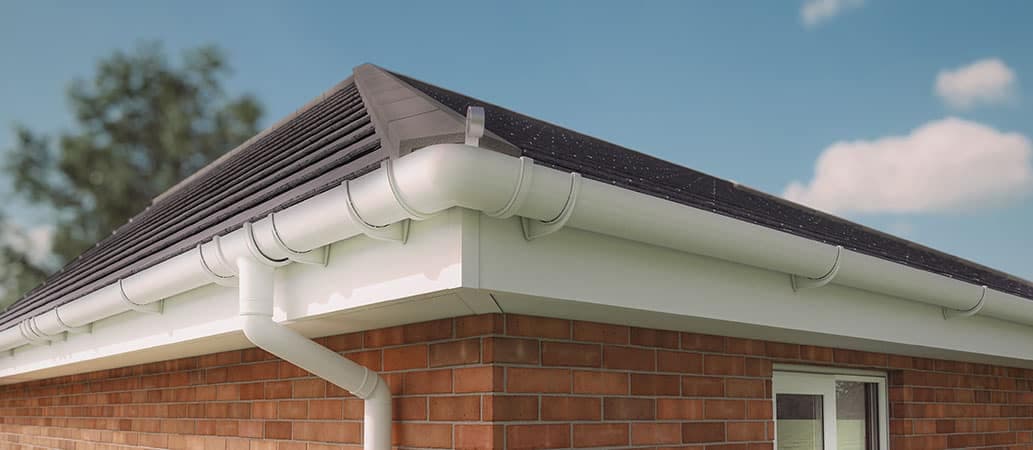
Gutters form part of the roofline system and are positioned along the edge of the roof. Their job is to collect rainwater and direct it towards downpipes, which carry the water safely to ground drainage.
When gutters are working correctly, water flows smoothly along the channel without spilling over the sides. If something blocks that flow, water builds up and eventually overflows.
Problems with guttering, fascias, and soffits can therefore affect how effectively water drains from the roof.
Common reasons gutters start overflowing
Blocked gutters
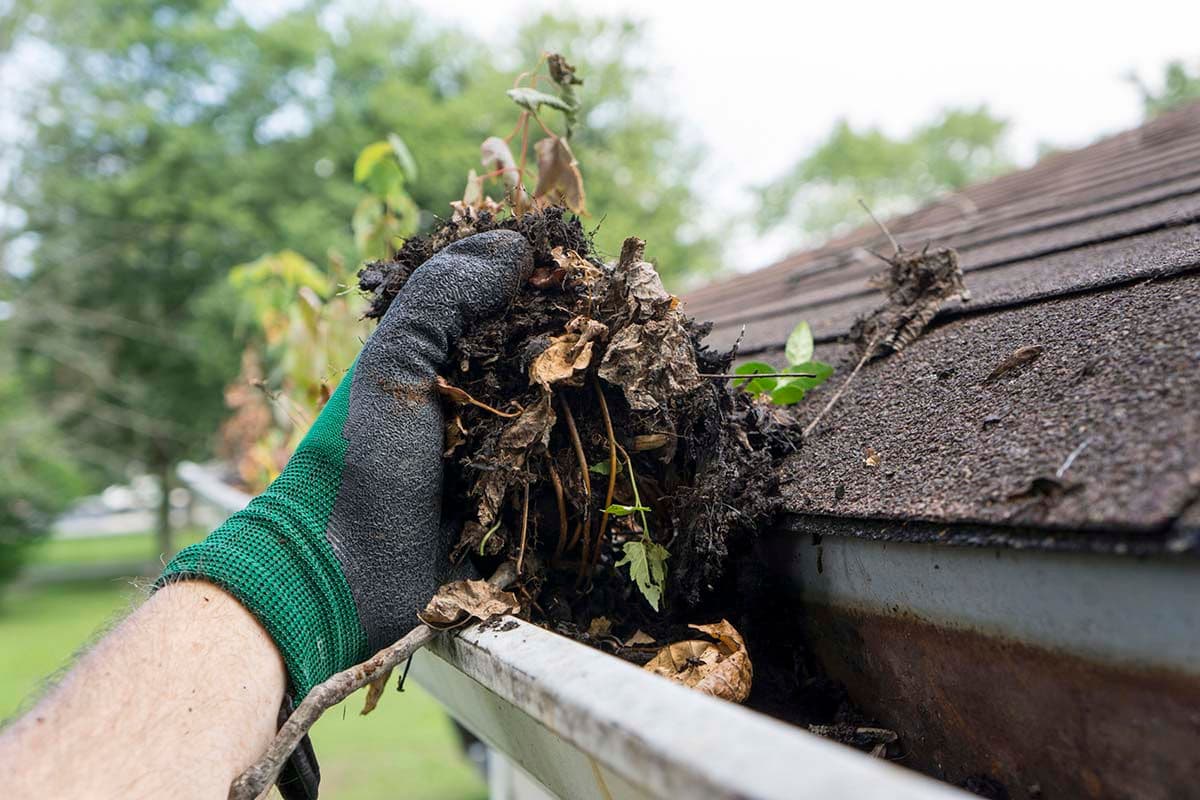
One of the most common causes of overflowing gutters is debris. Leaves, moss, twigs, and dirt can accumulate inside the gutter channel and restrict the flow of water.
During heavy rain, water cannot pass through the blockage quickly enough, causing it to spill over the sides.
Regular cleaning helps prevent this issue.
Blocked downpipes
Even if the gutter itself appears clear, the downpipe may be blocked further down. When water cannot travel through the pipe, it backs up into the gutter and eventually overflows.
A professional inspection can identify and remove these blockages safely.
Incorrect gutter angle
Gutters need a slight slope so water naturally flows towards the downpipe. If the angle becomes uneven due to loose brackets or movement in the roofline, water may collect in one section.
Over time, this pooling water can lead to overflow during heavy rainfall.
Damaged fascia boards
Fascia boards support the guttering system. If the fascia becomes weakened or rotten, the gutter may begin to tilt or pull away from the roofline.
This movement can disrupt the water flow and cause gutters to overflow.
Roof problems contributing to gutter overflow
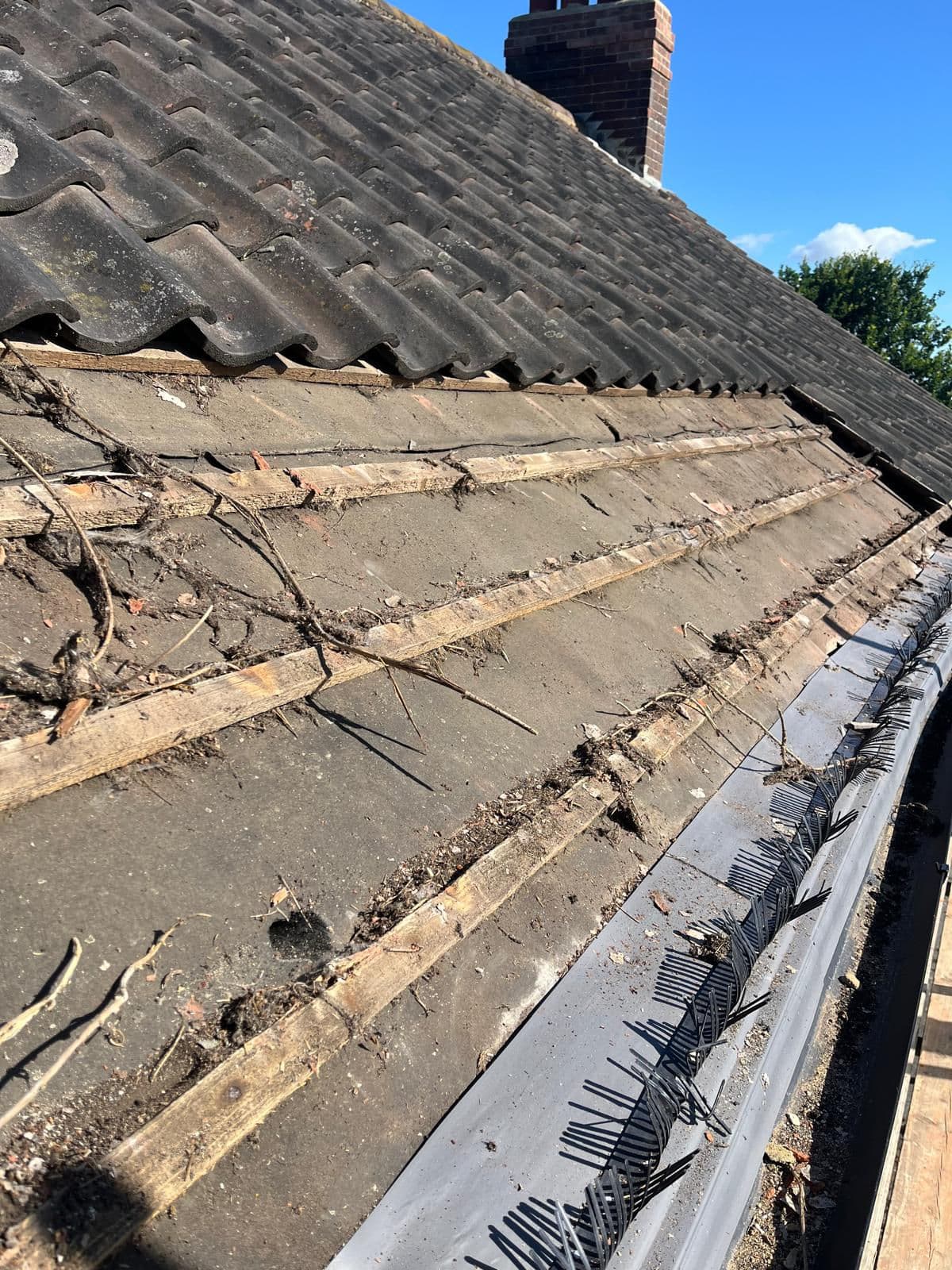
Roofing issues can also affect the drainage system. Loose tiles or damaged areas may cause debris to fall into the gutter more frequently.
In some cases, problems with flashing around chimneys or roof joints may allow water to enter unexpected areas of the roofline. Proper leadwork and flashing ensures water is directed into the gutter system rather than behind it.
If flashing fails, water can bypass the gutter and run down walls.
When overflowing gutters indicate roof damage
Sometimes overflowing gutters are a symptom of a larger roofing problem. Moss from roof tiles can accumulate in the guttering system, especially on older roofs.
In these cases, it may be necessary to inspect the roof itself. If tiles are damaged or moss build up is significant, professional roof repairs may be recommended to prevent the issue recurring.
Addressing the roof problem helps stop debris entering the gutters repeatedly.
Why overflowing gutters should not be ignored
When gutters overflow, water may run down external walls or collect around the base of the property. Over time, this can lead to several problems.
Water running down walls can stain brickwork and damage render. It may also lead to damp problems inside the property. Overflowing gutters can also affect foundations if water repeatedly pools around the base of the building.
For these reasons, gutter problems should be addressed as soon as they appear.
When gutter replacement may be needed
Cleaning and repairs often solve gutter overflow issues. However, older gutter systems may eventually need replacement.
If the gutter is cracked, sagging, or repeatedly overflowing despite maintenance, installing a new system may provide a more reliable long term solution.
In some situations, gutter replacement is carried out alongside larger roofing work such as new roof installations, ensuring the entire roofline system works properly.
Planning considerations for roofline work
Most gutter maintenance and replacement does not require approval. However, homeowners can review planning permission rules in England and Wales if structural roof changes are involved.
Additional guidance about roof alterations is available through the Planning Portal on roof work.
Building regulations and drainage
Roofline changes may need to comply with GOV.UK building regulations, particularly when drainage systems are altered.
Compliance is overseen by Local Authority Building Control. In Kent, planning and building control services are managed by Kent County Council.
Ensuring work meets these standards helps protect both the property and the drainage system.
Safety when inspecting gutters
Inspecting gutters often requires ladders or access equipment. Any work carried out at height should follow HSE working at height guidance to ensure safety.
Attempting to clear gutters without proper equipment can be dangerous, especially during wet weather.
The importance of regular roofline maintenance
Regular roofline inspections help prevent gutter problems before they occur. Clearing debris, checking brackets, and inspecting roof edges all help keep the system working properly.
Preventative maintenance is usually far more cost effective than repairing water damage later.
Homeowners across Kent continue to trust Premier Roofing for reliable roofing and roofline services.
What blocks gutters at each end of the patch
Gutters block for different reasons depending where you are. Inland around Ashford it is leaves, and it is worst in autumn. Out on the coast it is moss, wind blown grit and salt, and it builds up all year. Same overflowing gutter, two different maintenance intervals, which is why a blanket once a year answer does not fit our patch.
Conclusion
An issue with gutter overflowing is usually caused by blockages, damaged roofline components, or drainage problems. Addressing the cause early helps prevent damage to walls, roofing materials, and the structure of the property. If you have noticed water spilling from your gutters or want your roofline checked, simply contact us and we will be happy to help.