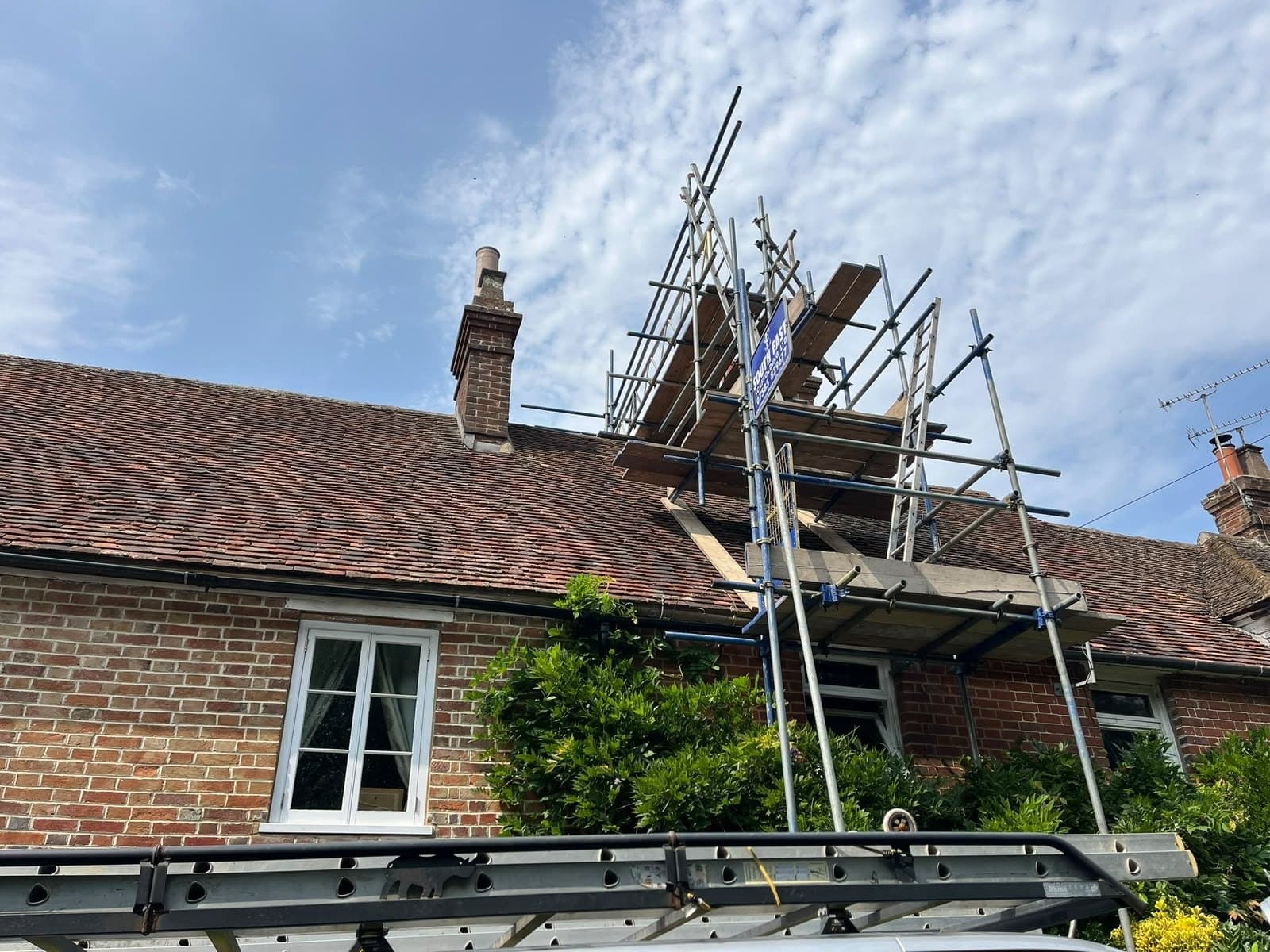
The parish carries 197 entries on the National Heritage List, one of them Grade I and eighteen Grade II star, and more than sixty of them stand on the High Street alone. Historic England ties them together as groups, so its entry for the north side reads that all the listed buildings from numbers 10 to 44, including the church of St Mildred, form a group. Work on one frontage engages its neighbours.
The conservation area was designated on 10 October 1996 and covers about 244 acres. That is the part people underestimate. It runs well beyond the picturesque core, out to the railway station and along Smallhythe Road, so plenty of perfectly ordinary houses are inside it. Three more conservation areas sit in the same parish, at St Michaels, Smallhythe and Reading Street, four in one parish out of forty four in the whole borough.
None of the four has an adopted appraisal and management plan. There is no published local statement of what is acceptable here, so every application is judged on its own, and the practical effect is that what a neighbour got is not a guarantee of anything.
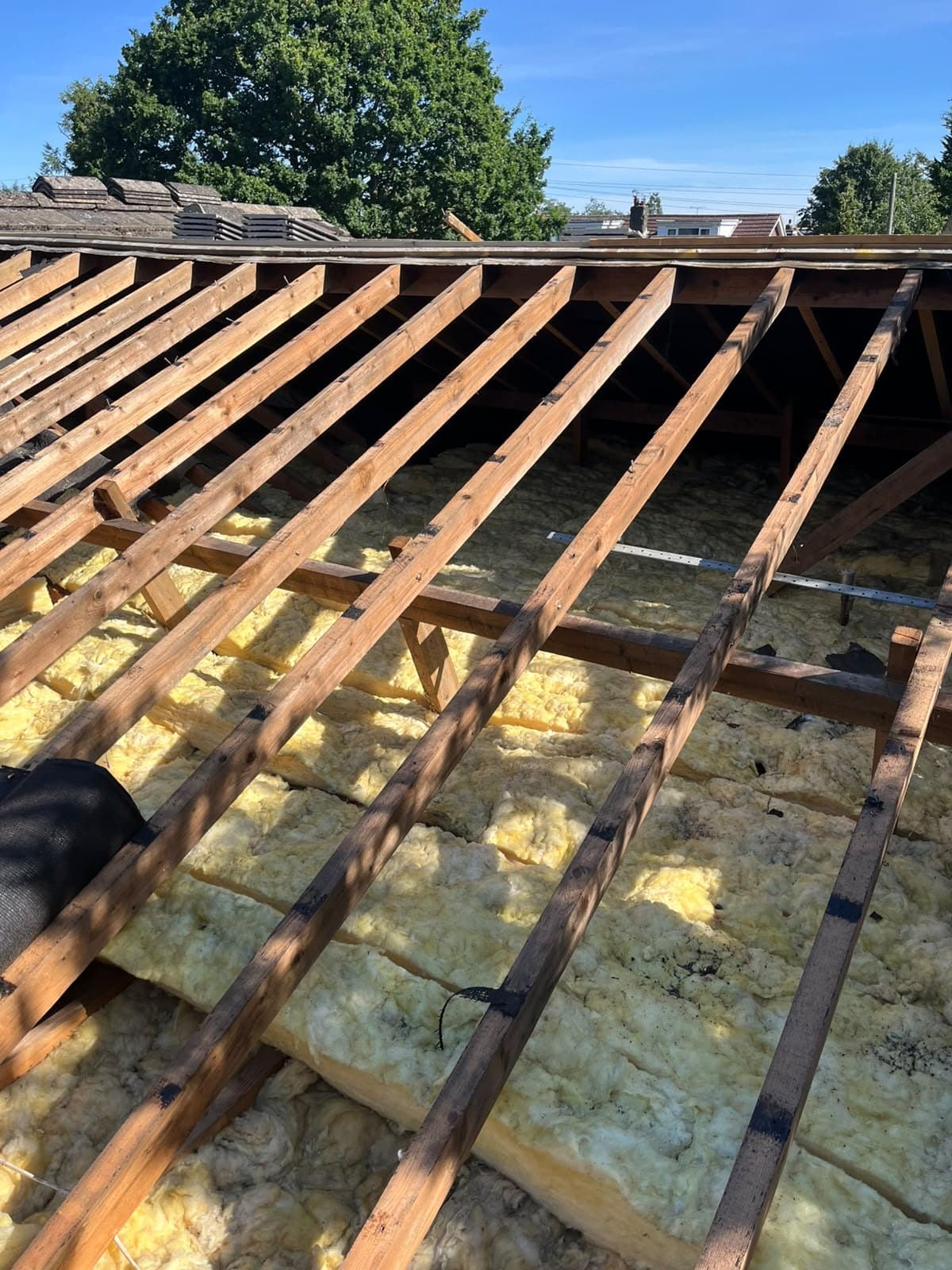
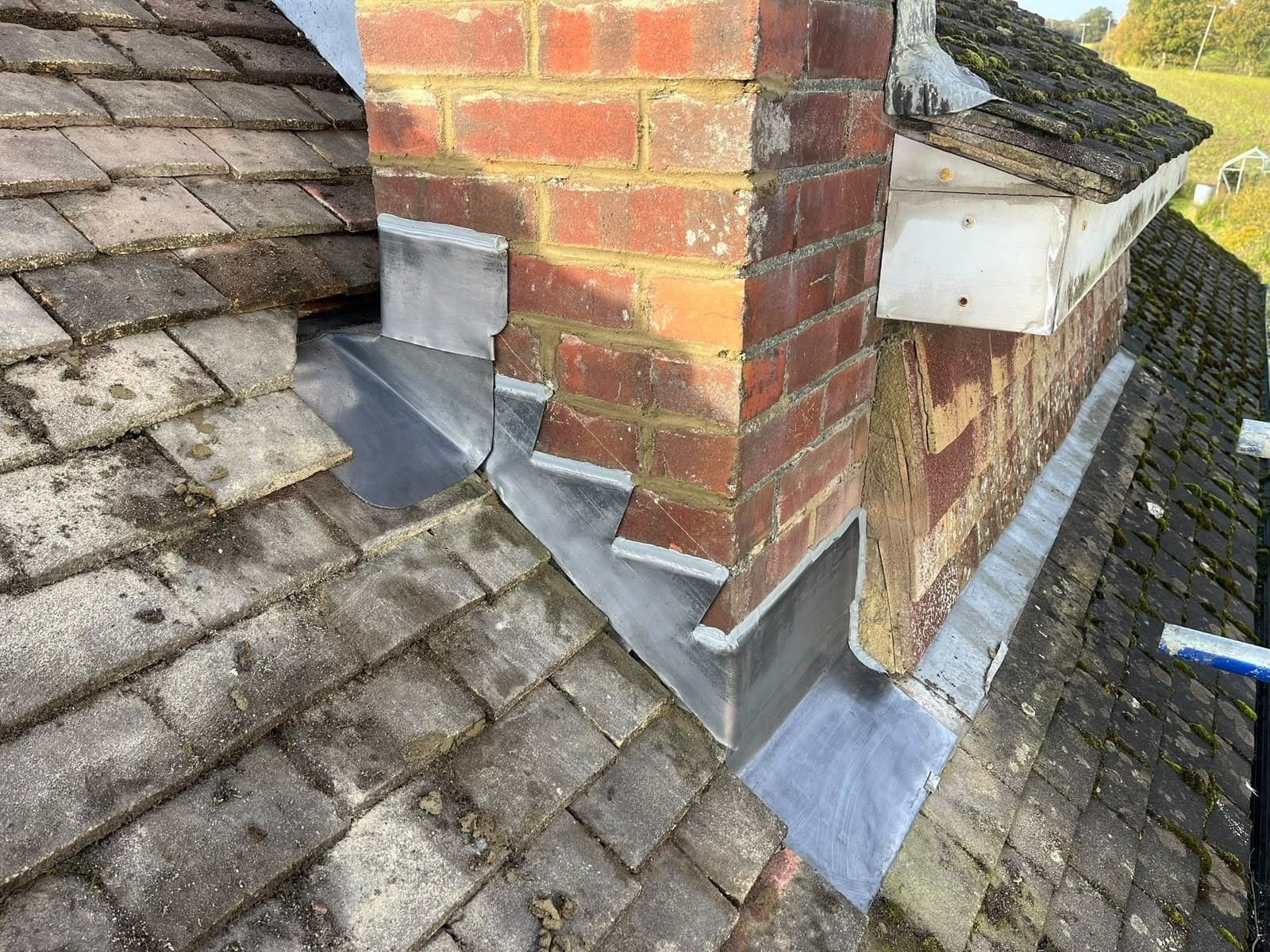
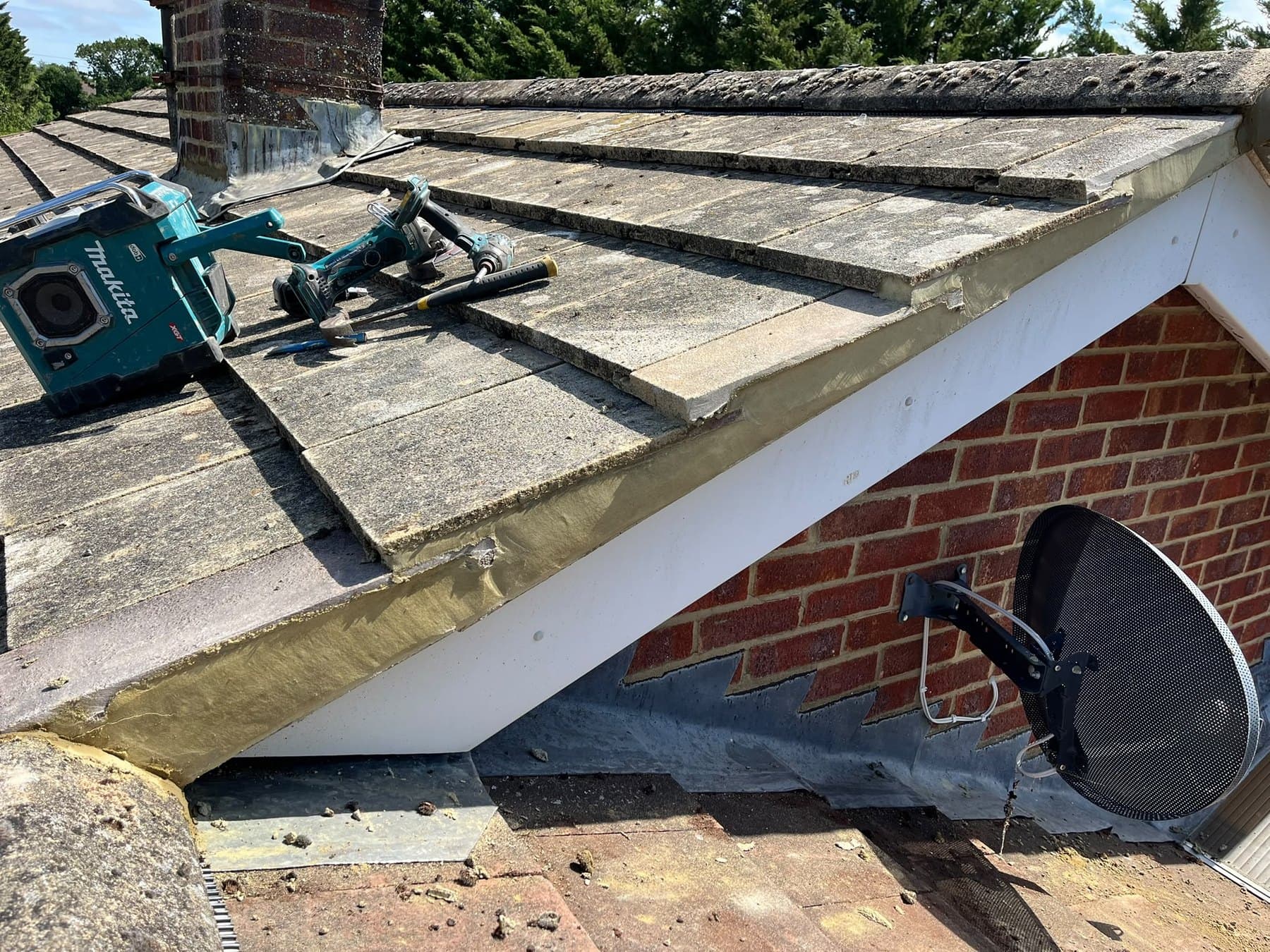
For an unlisted house inside the conservation area, three things follow. A dormer or any other roof enlargement is not permitted development, so it needs planning permission. Rooflights usually still are permitted development, provided they sit no more than 150 millimetres proud of the roof plane and no higher than the existing ridge. Re-cladding an elevation in tile, timber, render or stone is not permitted development either, which matters here because tile hanging and weatherboarding are everywhere and often want attention at the same time as the roof. A listed building needs consent for all of it regardless, and planning conditions can remove permitted development on newer estates, so check with Ashford Borough Council before anything is ordered.
One thing worth correcting, because it is repeated on plenty of planning websites. There is no Article 4 direction anywhere in Tenterden. Only two of Ashford's directions relate to the town at all and both are single sites.
The last thing is the one that catches people out on site. At least ten buildings here are faced in mathematical tiles, which are clay tiles hung to imitate brickwork, several on the High Street and more at East Cross and Oaks Road. The list entry for 142 High Street reads plainly, C18, two storeys and attic, red mathematical tiles on timber framing. Only around a thousand properties in England have them. A brick front in Tenterden is not necessarily brick, and that is worth knowing before anyone starts cutting into it.