First and most usefully, Rye is in East Sussex, not Kent, and the planning authority is Rother District Council. That is not a technicality. It changes who you apply to and it is true of nowhere else we cover.
The conservation area was first designated in 1968, extended in 1974, and its character appraisal was adopted in November 2006. It is small, about 28 hectares, and it holds 276 entries on the National Heritage List, four of them Grade I and ten Grade II star. That is about ninety three per cent of the town's listed stock inside one polygon you could walk across in ten minutes.
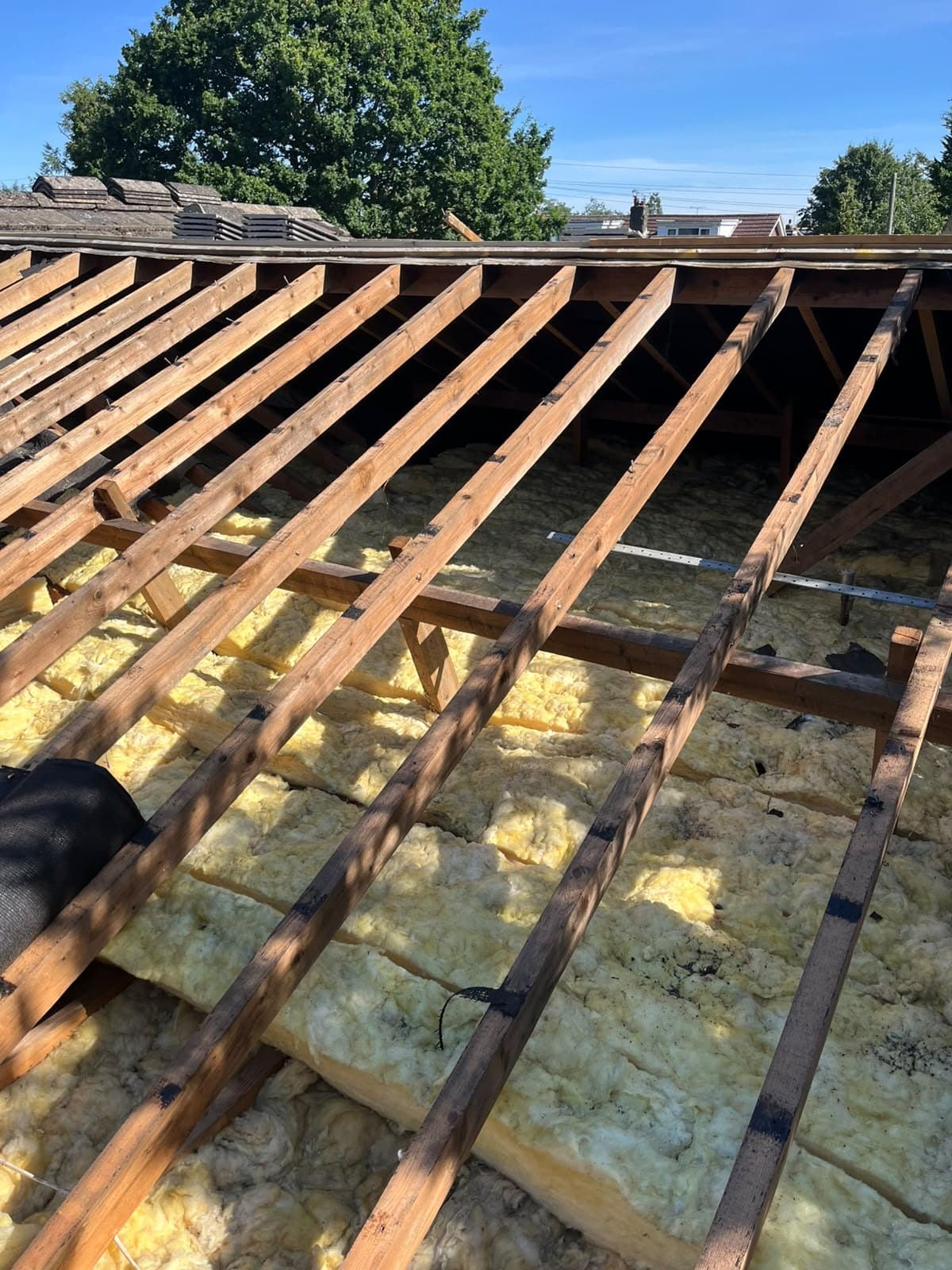
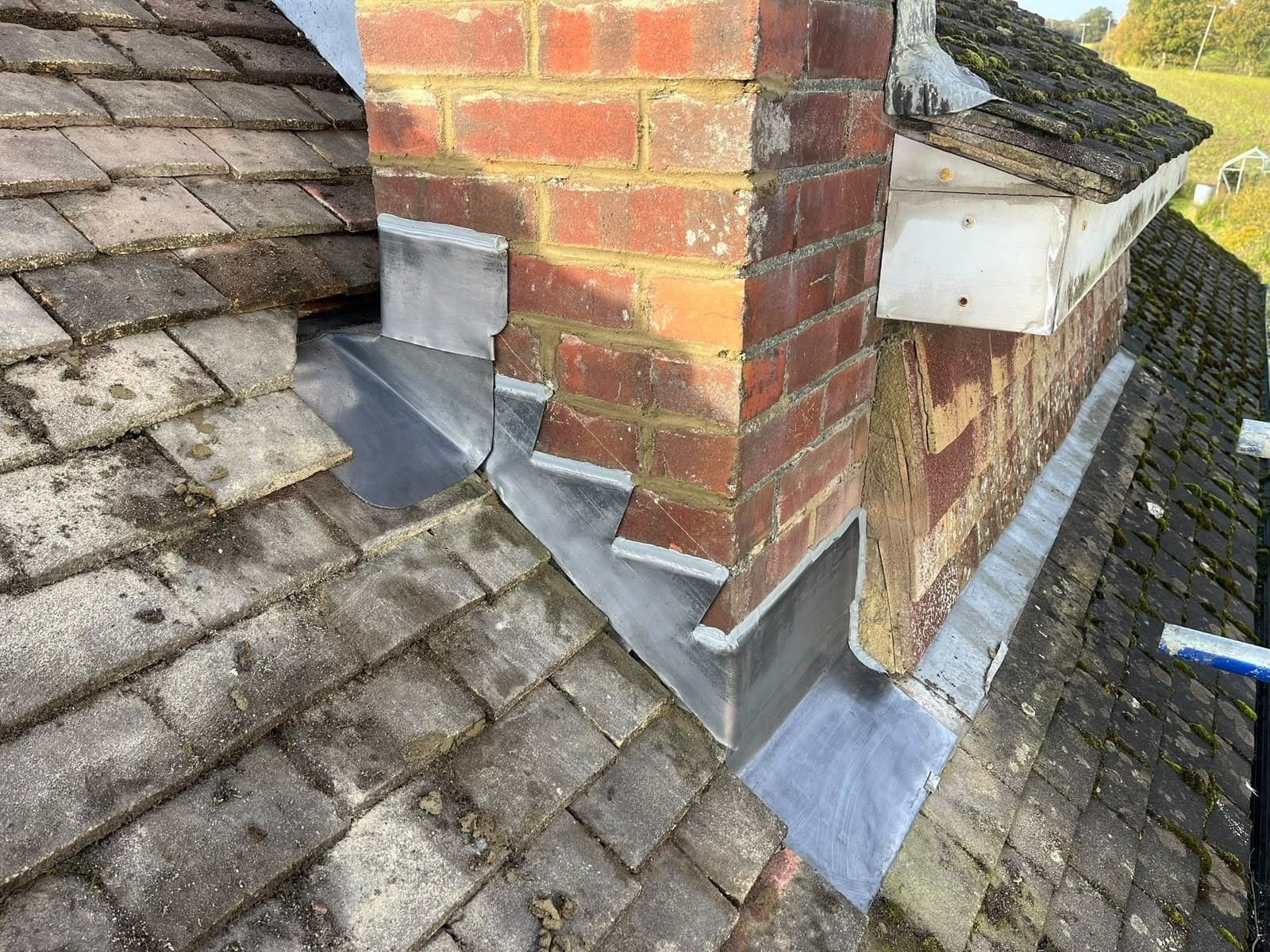
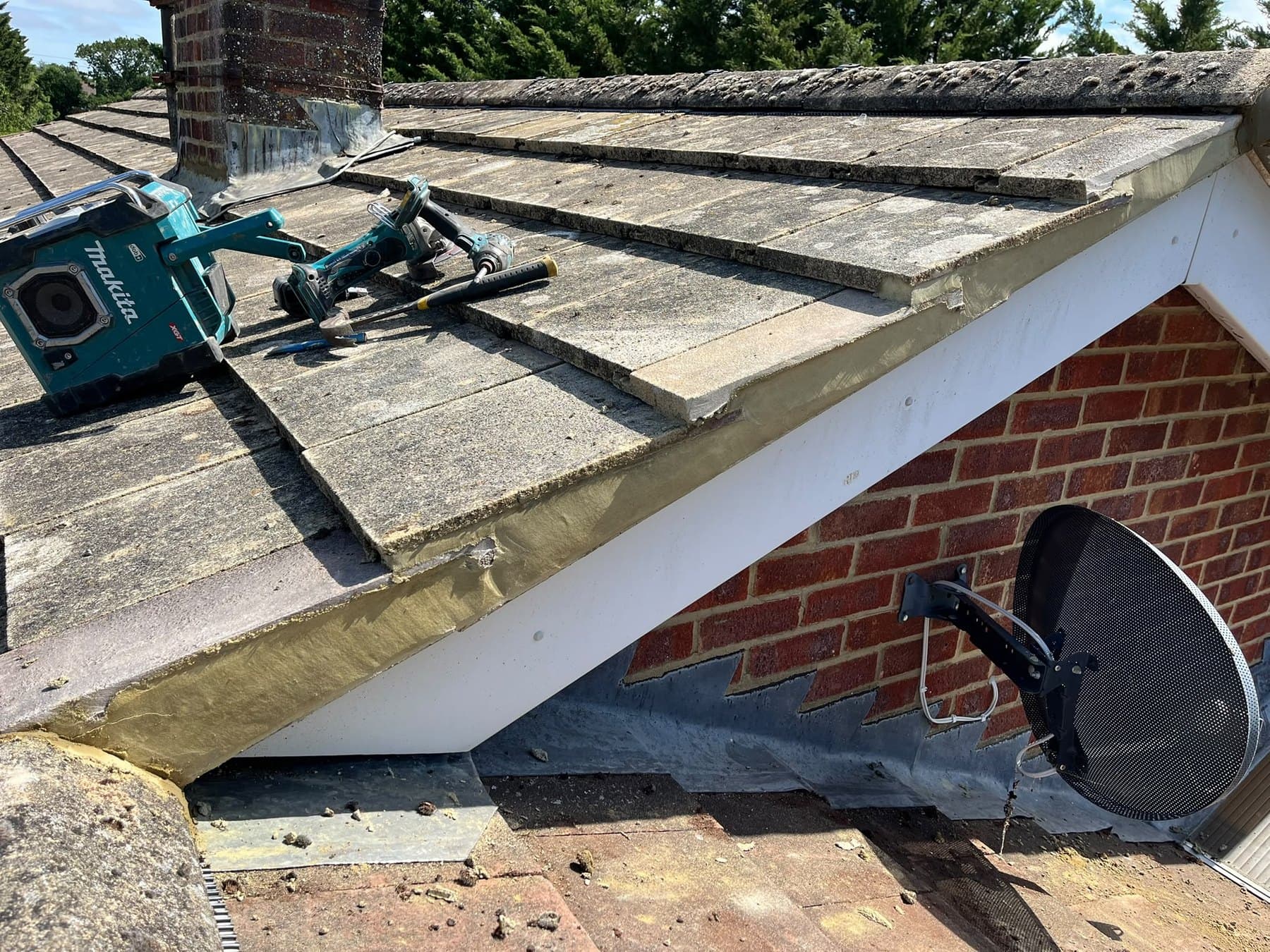
Then the part that matters most to a roofer. The Rye Conservation Area Article 4 Direction, made in February 2007 and confirmed that July, removes Class C permitted development, which the direction itself describes as the alteration of a dwellinghouse roof, including the alteration of roofing materials and the insertion of rooflights. So changing a roof covering or putting in a rooflight can need planning permission here when it would not almost anywhere else. Two limits travel with that. It applies to dwellinghouses, and only where the work fronts a highway, waterway or open space. A planning fee is payable in the normal way. Dormers are already out under the conservation area designation, and a listed building needs consent for everything regardless. Check with Rother District Council before ordering materials.
The council's own appraisal explains why the rule exists. It describes a highly visible and important roofscape of jumbled historic clay tiled roofs, its impact heightened by the topography of the town, and a restricted palette of brick, handmade clay tile, weatherboarding, painted render and slate. Slate maps to particular stock rather than being general, being the later Victorian cottages and industrial buildings, the Military Road terraces and the warehouses at Strand Quay. Dormers, chimney stacks and steep pitches recur all through it.
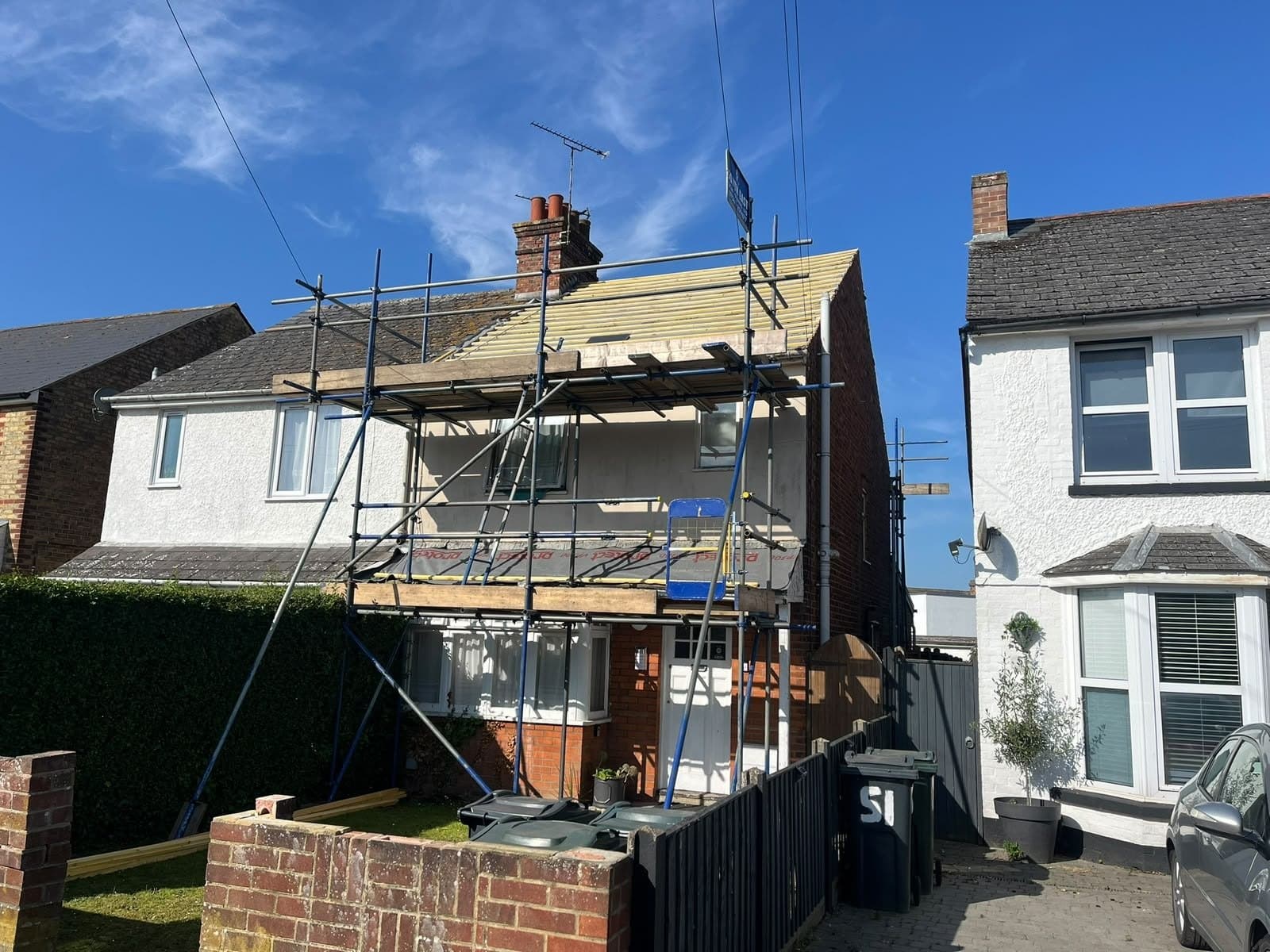
The practical constraint is access. The old town sits on a sandstone outcrop rising fifteen to twenty metres above flat marsh, and the appraisal notes it is reached by stepped or sloping footpaths and narrow roads just passable for vehicles, with an absence of private forecourt space. The cobbled streets, known locally as boulders, are themselves listed. Scaffolding and getting materials in is a real part of the job here, and any quote that ignores it is not a quote for this town.