We explain this to homeowners across Kent every week. The signs of a leaking roof are not always obvious at first, and many leaks develop quietly before they become a visible problem. By the time water shows inside the home, it has often been getting in for some time. Knowing what to look for helps you act early and avoid wider damage.
Why roof leaks should never be ignored
A leaking roof is more than an inconvenience. Water entering the roof can damage insulation, timbers, ceilings, and electrics. Over time, it can also lead to mould growth and damp, which affects both the structure of the home and the health of those living in it.
In Kent, frequent rain, strong winds, and seasonal temperature changes put constant pressure on roofs. Even well built roofs can develop weak points over time, which is why spotting early warning signs matters.
Internal signs of a leaking roof
Many of the clearest signs appear inside the property.
Water stains on ceilings or walls
Brown or yellow stains on ceilings are one of the most common signs of a leaking roof. These marks often appear after heavy rain and may grow larger over time. The leak itself is not always directly above the stain, as water can travel along timbers before showing.
Damp patches and peeling paint
Damp patches on upstairs walls or peeling paint near the ceiling line can indicate moisture coming through the roof. These signs are often mistaken for condensation, but recurring damp usually points to a leak.
Mould or musty smells
A persistent musty smell, especially in lofts or upper rooms, can indicate trapped moisture. Mould growth is another clear warning sign that water is getting in and not drying out properly.
Drips or visible water ingress
In more advanced cases, homeowners may notice water dripping during heavy rain. This is a sign that the leak has worsened and needs urgent attention. That does not mean waiting for the weather to clear, because emergency work can be done in the rain even though the permanent repair cannot.
Signs of a leaking roof in the loft
The loft is often the best place to spot early roof leaks.
Damp insulation, dark patches on timbers, or water staining on the underside of the roof covering all suggest water ingress. Daylight visible through tiles or roofing felt is another clear sign that the roof covering has been compromised.
Regular loft checks can help catch these problems before they affect living areas.
External signs of a leaking roof
Some warning signs can be spotted from outside, even from ground level.
Missing, cracked, or slipped tiles
Tiles protect the waterproof layers beneath. When tiles crack or move out of place, rain can enter the roof structure. Even one damaged tile can allow water to spread across a wide area.
Damaged flashing and leadwork
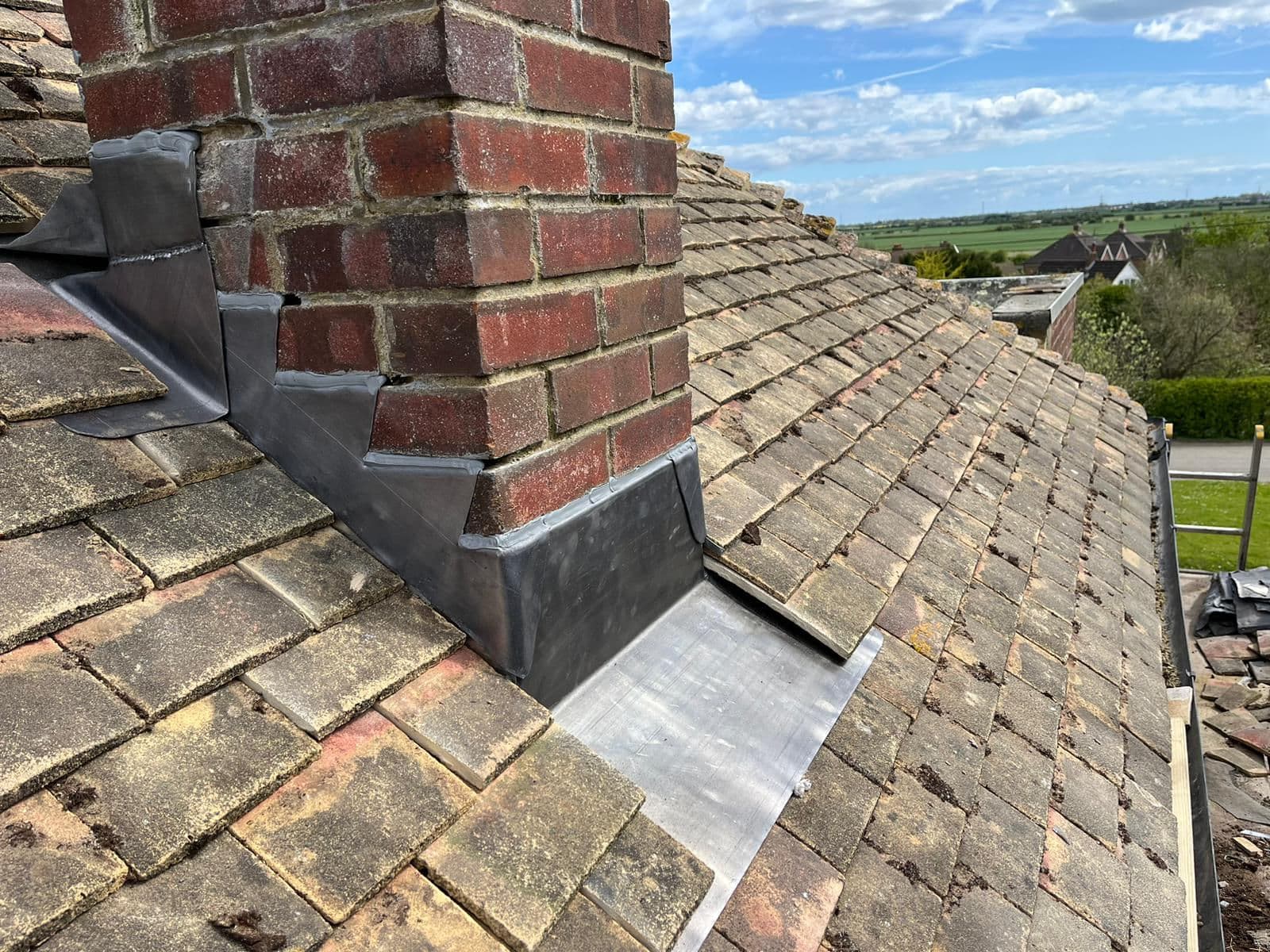
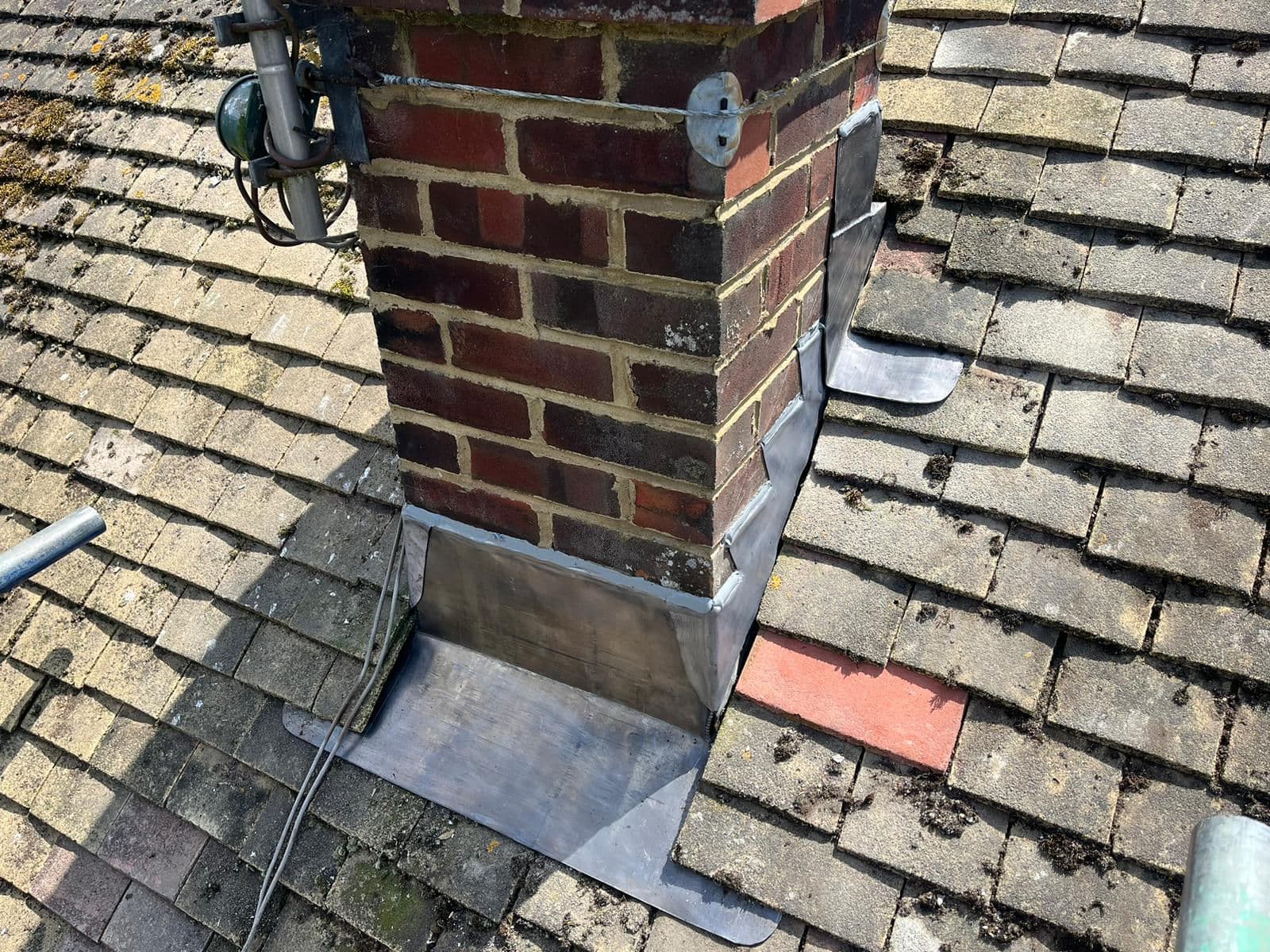
Areas around chimneys, valleys, and roof joins rely on proper leadwork and flashing. When flashing lifts, cracks, or corrodes, leaks often follow, particularly during prolonged or heavy rain.
Blocked or overflowing gutters
Blocked gutters force water to overflow onto walls and roof edges. Over time, this water can work its way back under the roof covering. Faulty guttering, fascias, and soffits are a common but often overlooked cause of roof leaks.
Sagging rooflines
A roofline should be straight. Any sagging or dipping may indicate long term water damage to the roof structure and should be checked as soon as possible.
Storm damage and sudden leaks
Storms are a common trigger for roof leaks. Strong winds can lift tiles, loosen ridge tiles, and damage flashing. Heavy rain then finds its way through these weak points.
Even if no damage is visible from the ground, leaks may still develop after severe weather. Roof inspections and repairs should always follow HSE working at height guidance to ensure safety.
How long can a roof leak go unnoticed?
Some leaks remain hidden for months or even years. Slow leaks can soak insulation and timbers without showing inside the home until damage becomes severe. By the time stains appear on ceilings, the affected area inside the roof is often much larger.
This is why regular checks and early repairs are so important.
Can small leaks be repaired?
In many cases, yes. If caught early, professional roof repairs can stop leaks and prevent further damage. Replacing damaged tiles, repairing flashing, or clearing and fixing gutters often resolves the issue quickly.
Leaving a small leak untreated usually leads to more extensive and costly repairs later.
When is a new roof needed?
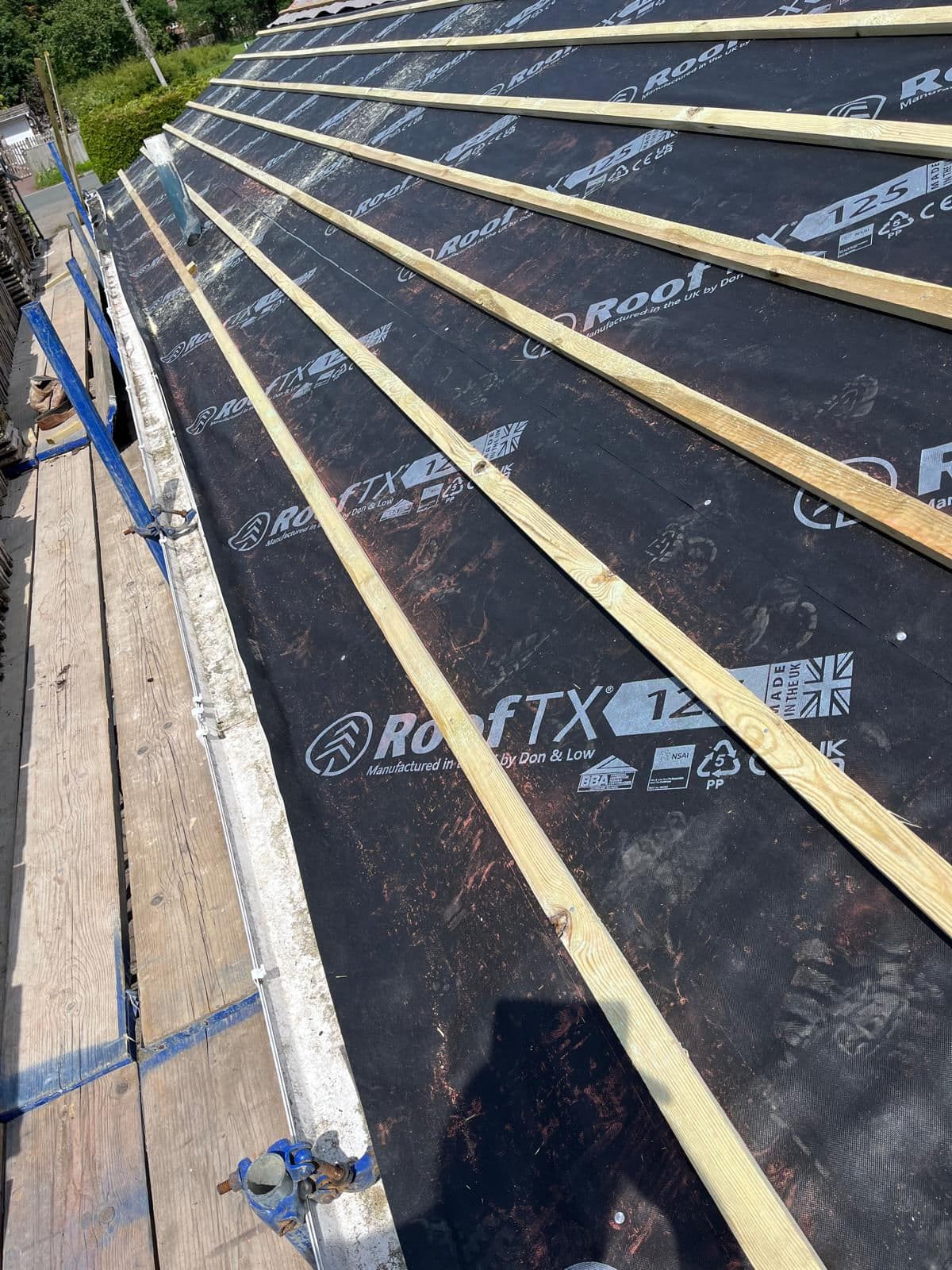
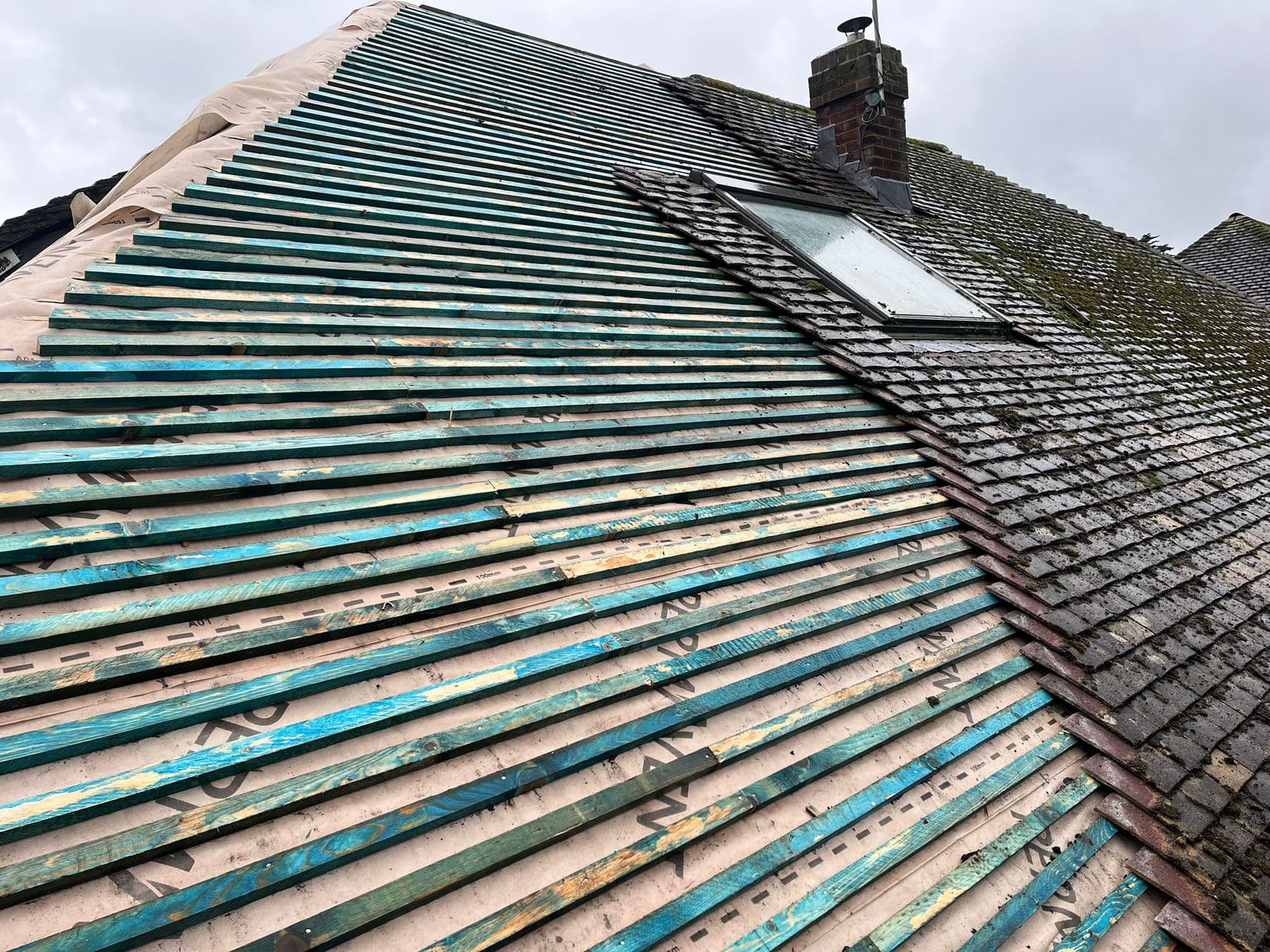
If leaks are widespread or keep returning despite repairs, the roof may be nearing the end of its lifespan. In these cases, ongoing repairs may no longer be reliable.
A full replacement provides long term protection and peace of mind. We carry out new roof installations using materials suited to UK weather and local conditions across Kent.
Planning permission and regulations
Most leak repairs do not require approval. However, larger works or full replacements may be subject to planning permission rules in England and Wales.
Guidance from the Planning Portal on roof work helps clarify what falls under permitted development.
All structural roofing work must comply with GOV.UK building regulations. Oversight is provided by Local Authority Building Control, with local enforcement through Kent County Council planning and building control.
Why local experience matters
Kent properties face a range of roofing challenges depending on location, age, and exposure. Coastal homes deal with stronger winds and salt air, while inland properties often struggle with moss and drainage issues.
Local experience allows roofers to identify the most likely causes of leaks and fix them properly, rather than applying temporary solutions.
Homeowners across the county continue to trust Premier Roofing for reliable roofing work and honest advice.
How to reduce the risk of roof leaks
Regular inspections, prompt repairs, and keeping gutters clear all help reduce the risk of leaks. Checking the roof after storms and monitoring the loft for signs of moisture can also prevent problems from worsening.
Preventative maintenance is often far more cost effective than emergency repairs.
Where local roofs actually leak
Water rarely gets in where the stain is, and on our patch it is almost always a joint or an edge rather than the middle of a slope. Chimneys, valleys and abutments come up again and again, which is why leadwork and flashing is such a steady share of what we do, particularly on the older stock around Hythe.
Conclusion
Knowing the signs of a leaking roof allows you to act early and protect your home from further damage. Leaks rarely fix themselves and usually get worse over time. If you have noticed any warning signs or would like your roof checked for peace of mind, simply contact us and we will be happy to help.