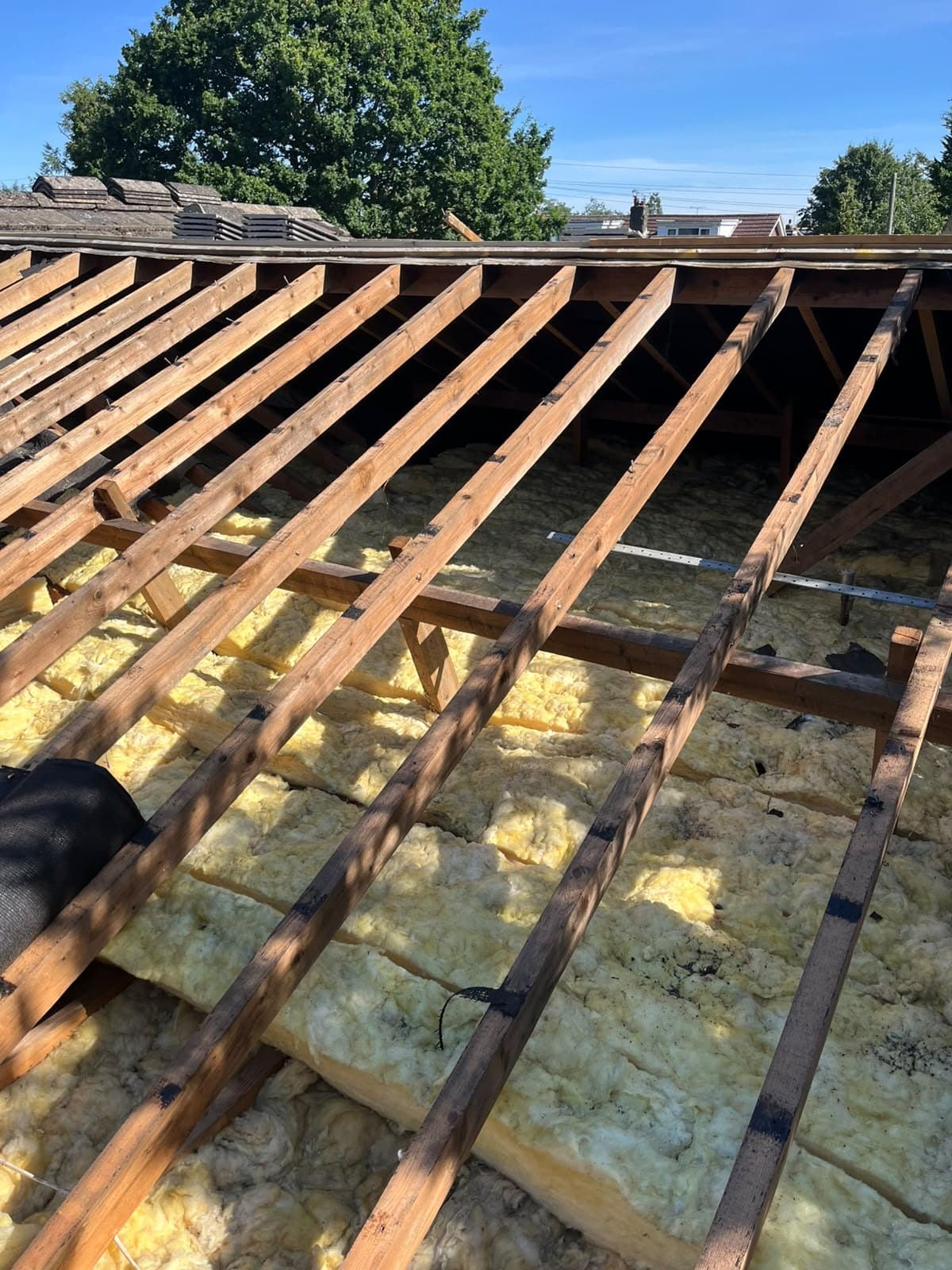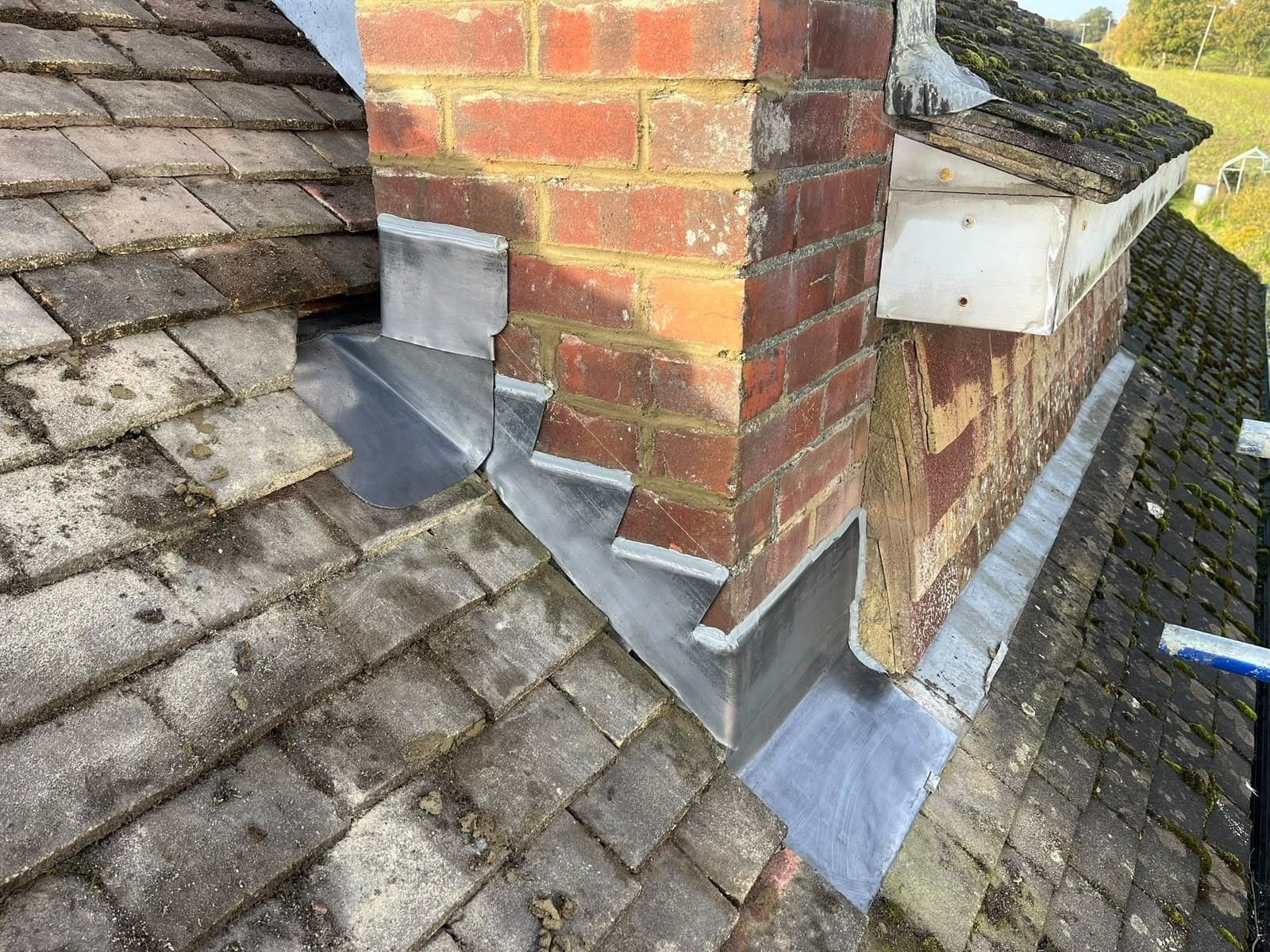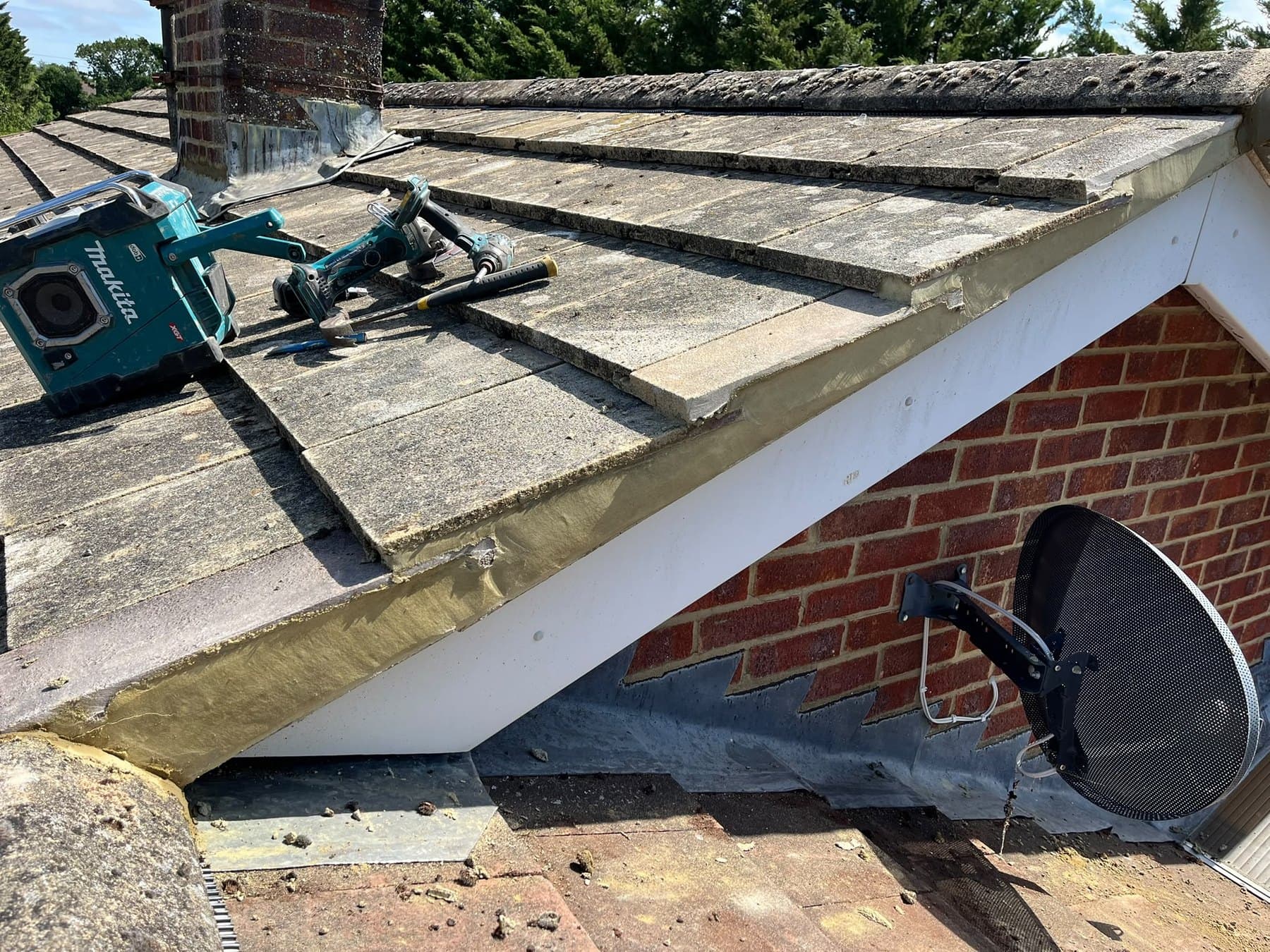
Camber is in East Sussex under Rother District Council, about three miles west of the Kent boundary. There is no conservation area here, the whole civil parish contains a single listed building, and the one Article 4 direction covering the village dates from 1959 and concerns the temporary use of land rather than anything to do with roofs. For an unlisted house that means no heritage consent layer over an ordinary re roof at all, which is not true of most places we work. The usual limits still apply, permitted development does not cover flats, and conditions on newer estates can remove it, so it is still worth a call to the council first.
Rother's adopted village planning document describes how Camber came to look the way it does. It grew organically and piecemeal from the 1920s with holiday homes that people gradually occupied permanently, and after the war it developed as a holiday camp destination with purpose built chalets. The council calls the result a modest appearance that includes a patchwork of styles for individual buildings, and says that patchwork is part of Camber's character and should be embraced. That is unusual. Most councils want you to match your neighbours. This one has written down that the mixture is the point.
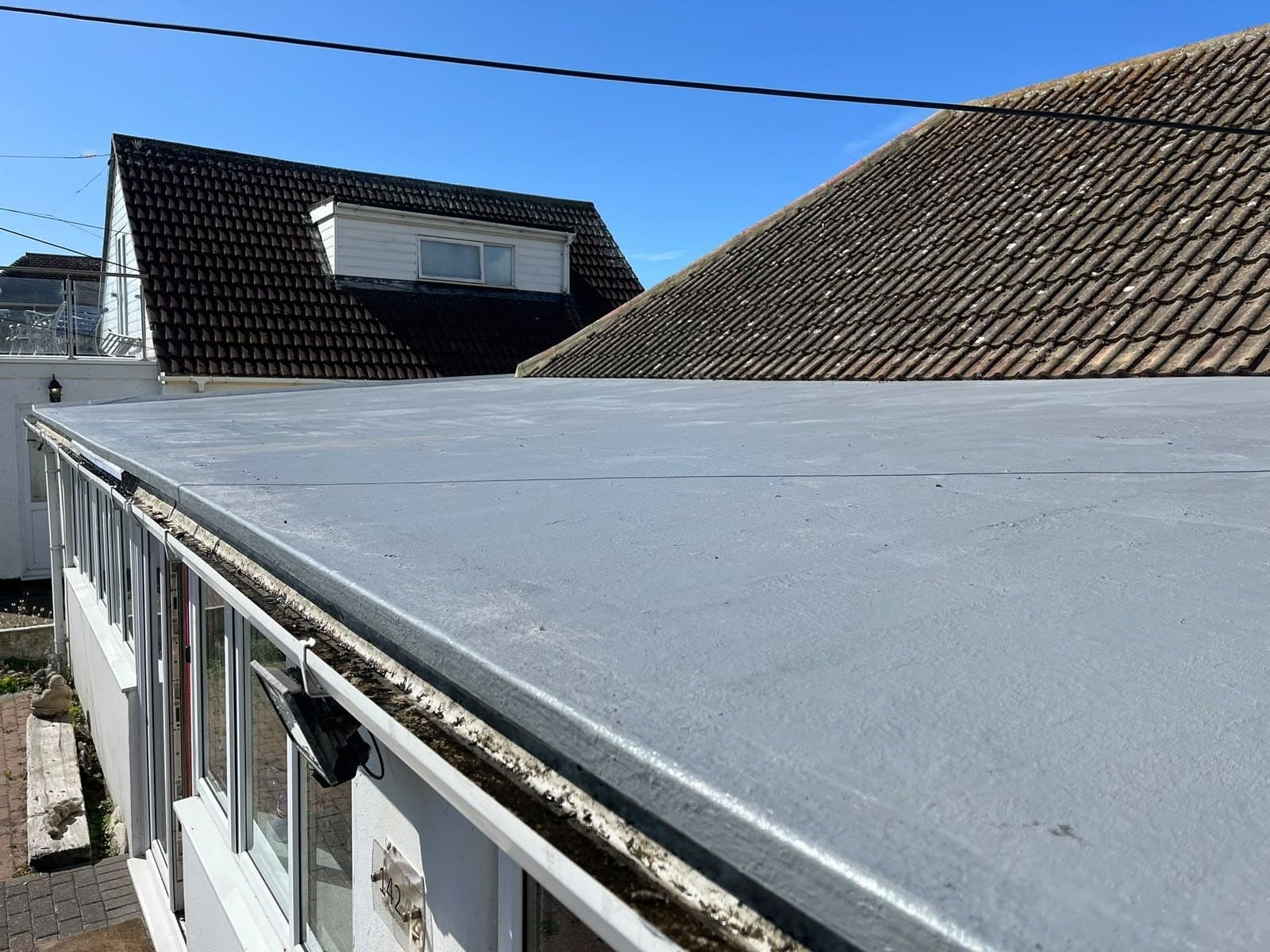
Where the council does get particular is the skyline. Buildings are generally low, at one or two storeys, and the document says Camber has a low level and distinctive skyline, so the impact of extensions and roof dormer windows is judged case by case. Flood risk policy pushes the other way, because habitable rooms are not allowed at ground floor level, so new buildings need the height. The council's answer is to ask developers to explore split levels or forgo a pitched roof altogether, which is why there are more flat roofs here than the surrounding villages.
Worth saying plainly that the document names a wall palette and no roof covering anywhere in it, so anyone quoting you a specific tile as a planning requirement here is inventing it.
The last thing is genuinely local. Camber Sands is the only sand dune system in East Sussex. The tide goes out almost a kilometre, the sand dries in the sun and wind and is blown inland on the prevailing south westerly, and the dunes are accreting, with East Sussex County Council putting it at 7,500 cubic metres of sand deposited every year. We have not seen it studied for what it does to a roof and we are not going to claim it. What we do is check gutters, valleys and outlets here as a matter of course, because they are where anything windborne ends up.