We explain the warning signs of gutter blockage because blocked gutters are one of the most common causes of preventable roof and property damage. Many homeowners assume a blocked gutter is a minor issue, but in our experience, it can quickly lead to leaks, damp, timber decay, and expensive repairs if left untreated.
From working with clients across Kent, we’ve found that gutter blockages are particularly common during autumn and winter when leaves, moss, and debris build up in drainage systems. Over the past few years, we’ve completed hundreds of roofing and roofline repairs throughout Romney, Hythe, Ashford, and surrounding areas, and poor gutter maintenance has contributed to a significant number of the roof problems we’ve been called out to fix.
Why gutter blockages cause problems
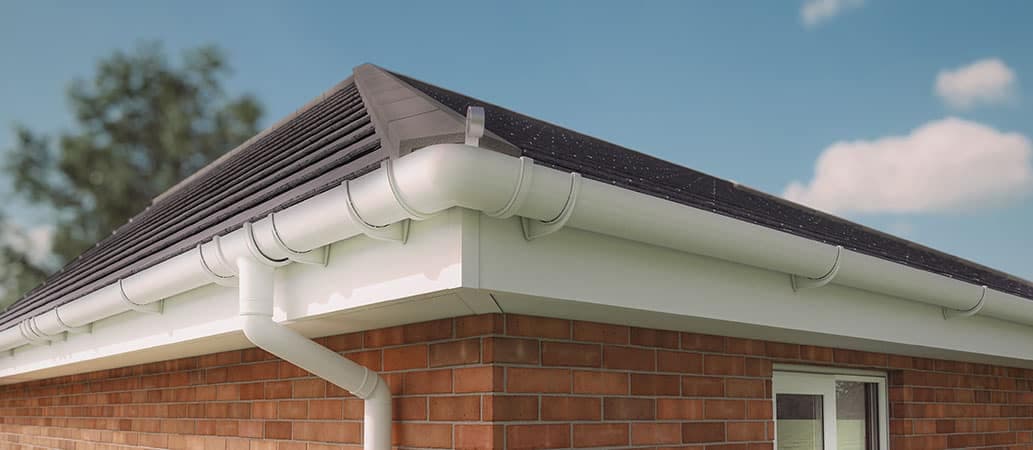
Your guttering system is designed to collect rainwater from the roof and direct it safely away from the property.
When gutters become blocked, water can no longer flow correctly. Instead, it begins to overflow, back up beneath roof edges, or spill down external walls.
In our experience, maintaining gutters regularly works better than waiting for visible water damage because many drainage issues develop gradually and remain hidden for months.
Water overflowing during rainfall
One of the clearest warning signs of gutter blockage is water spilling over the sides during rain.
Gutters should channel water directly into downpipes. If water is cascading over the edges, there is usually a blockage preventing normal flow.
What actually tends to happen is debris accumulates over time until heavy rainfall exposes the problem.
We often see this after periods of prolonged wet weather across Kent.
Plants or moss growing from gutters
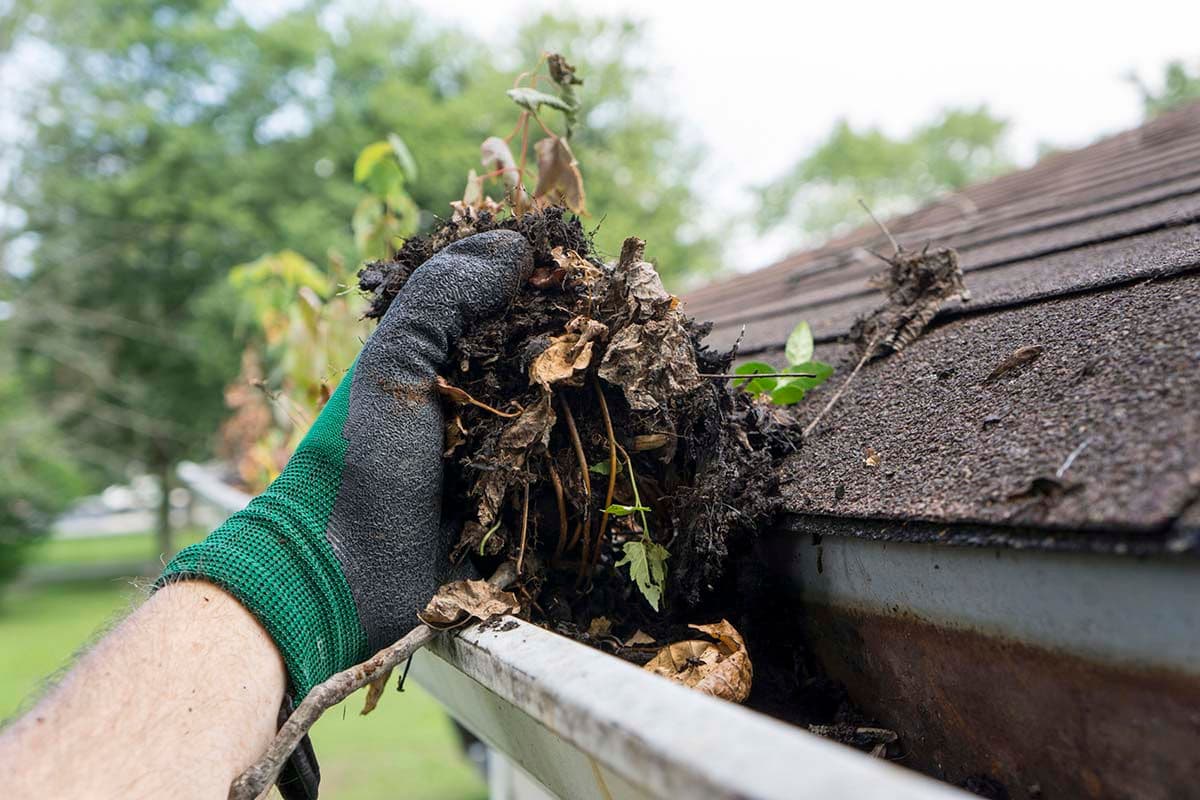
If you can see moss, weeds, or other vegetation growing from your gutters, there is almost certainly a blockage present.
Organic material trapped inside gutters creates the perfect environment for plant growth.
From working on older Kent properties, we’ve found this is one of the easiest warning signs for homeowners to spot from ground level.
Unfortunately, by the time vegetation becomes visible, the blockage has often been developing for quite some time.
Sagging gutter sections
Blocked gutters become heavier as water and debris build up.
Over time, this weight can cause gutter sections to sag or pull away from the property.
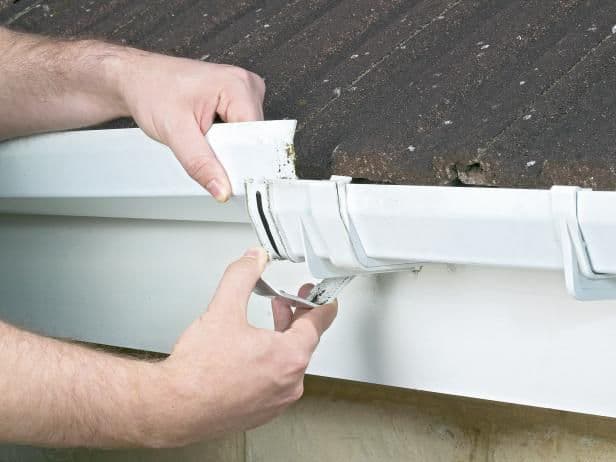
Maintaining guttering, fascias, and soffits helps prevent excessive strain on the roofline and protects surrounding structural components.
In our experience, addressing sagging gutters early works better than waiting because prolonged movement can damage fascia boards and roof edges.
Damp patches on external walls
Blocked gutters often cause water to overflow down the side of a building.
This can create:
- Damp patches
- Staining on brickwork
- Algae growth
- Damage to render
We’ve found that homeowners frequently focus on treating the damp itself without realising the gutter blockage above is causing the problem.
Water entering the roof structure
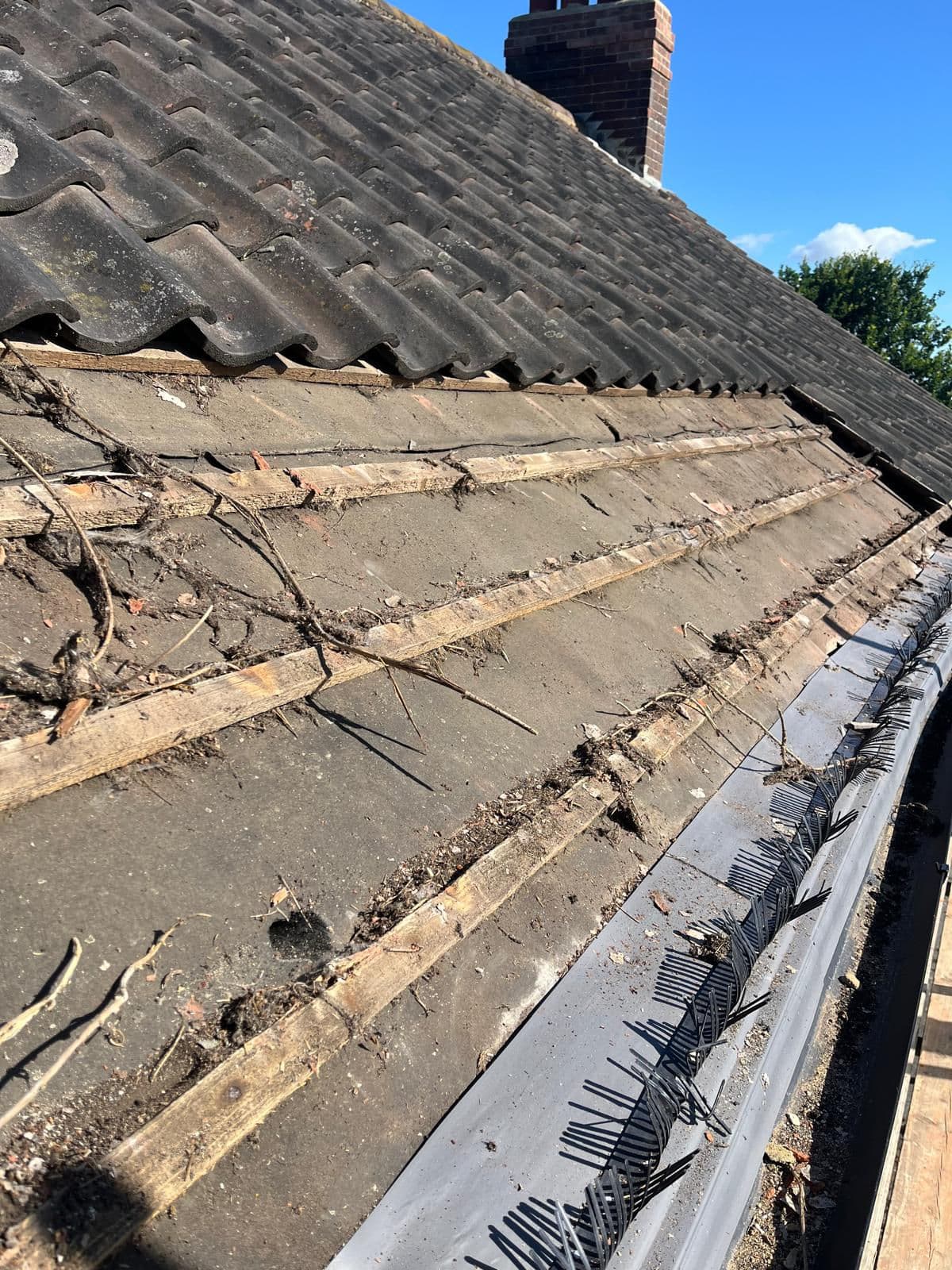
One of the more serious warning signs of gutter blockage is water entering the roof.
When gutters overflow repeatedly, moisture can find its way beneath roof edges and into the structure.
Professional roof repairs are often needed where long term drainage issues have damaged underlay, battens, or roof timbers.
From working with homeowners throughout Kent, we’ve found that many roof leaks actually begin with drainage problems rather than damaged tiles.
Moss and debris on the ground
After strong winds or heavy rain, debris falling from gutters can indicate a blockage.
Large amounts of moss on the ground often suggest the gutter system is overloaded and no longer draining effectively.
This is particularly common on older roofs where moss accumulation is already present.
Problems around chimneys and roof joints
Blocked gutters can affect how water moves across the roof.
In some cases, excess water collects around vulnerable areas such as chimneys and roof junctions.
Proper leadwork and flashing helps protect these areas, but persistent overflow can still increase moisture exposure over time.
Increased risk of roof rot
Long term moisture exposure creates ideal conditions for timber decay.
From our inspection work across Kent, we’ve found that blocked gutters are frequently linked to roof edge rot and fascia deterioration.
In our experience, clearing gutters regularly works better than repairing water-damaged timber because it removes the source of the problem altogether.
How often should gutters be checked?
For most properties, we recommend inspecting gutters at least twice a year.
Additional checks may be needed if:
- The property is near trees
- The roof experiences heavy moss growth
- The area receives significant storm exposure
We’ve found that homeowners who carry out regular inspections experience far fewer major drainage and roofing issues.
When gutter blockages lead to larger roofing projects
If drainage problems continue for years, significant roof damage can develop.
In severe cases, water ingress may contribute to structural deterioration requiring extensive repairs or even new roof installations.
Fortunately, most of these situations are preventable through routine maintenance.
Planning permission and gutter maintenance
Gutter repairs and cleaning rarely require approval. However, major structural changes may need to comply with planning permission rules in England and Wales.
Further guidance can be found through the Planning Portal on roof work.
Building regulations and roof drainage
Roof drainage systems must comply with GOV.UK building regulations where significant alterations are made.
Compliance is overseen through Local Authority Building Control and Kent County Council.
Roofing safety when inspecting gutters
Inspecting or clearing gutters involves working at height and should always follow HSE working at height guidance.
In our experience, professional inspections are often safer and more effective because they identify underlying roofing issues at the same time.
Why local experience matters
Kent properties experience different drainage challenges depending on location.
Coastal homes often deal with stronger weather exposure, while inland properties frequently suffer from heavier moss build-up and leaf accumulation.
Because we work throughout Kent every week, we understand how local conditions affect gutter performance and roof drainage.
This practical experience is why homeowners continue to trust Premier Roofing for reliable roofline maintenance and roofing services.
Conclusion
Recognising the warning signs of gutter blockage early can prevent costly roof repairs, damp problems, and structural damage. In our experience, overflowing water, sagging gutters, vegetation growth, and external damp are the most common indicators that action is needed. If you suspect your gutters are blocked or would like your roofline professionally inspected, simply contact us and we will be happy to help.