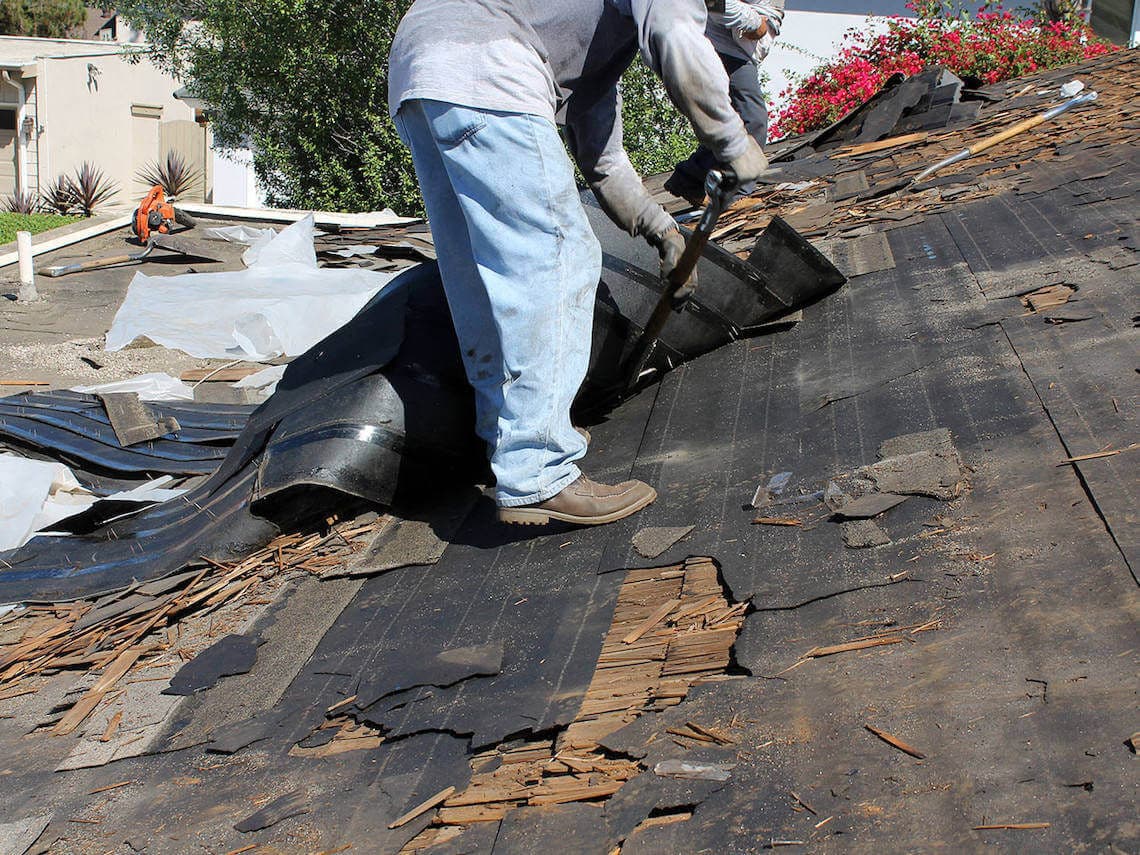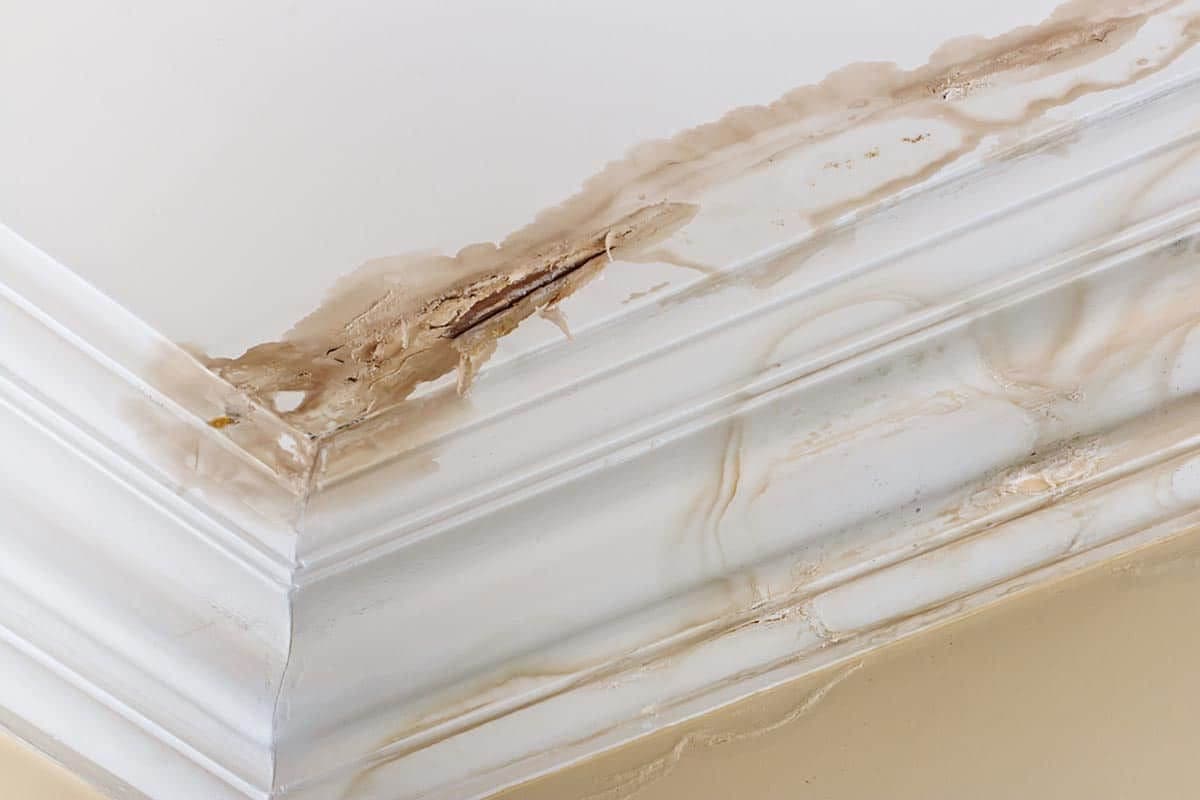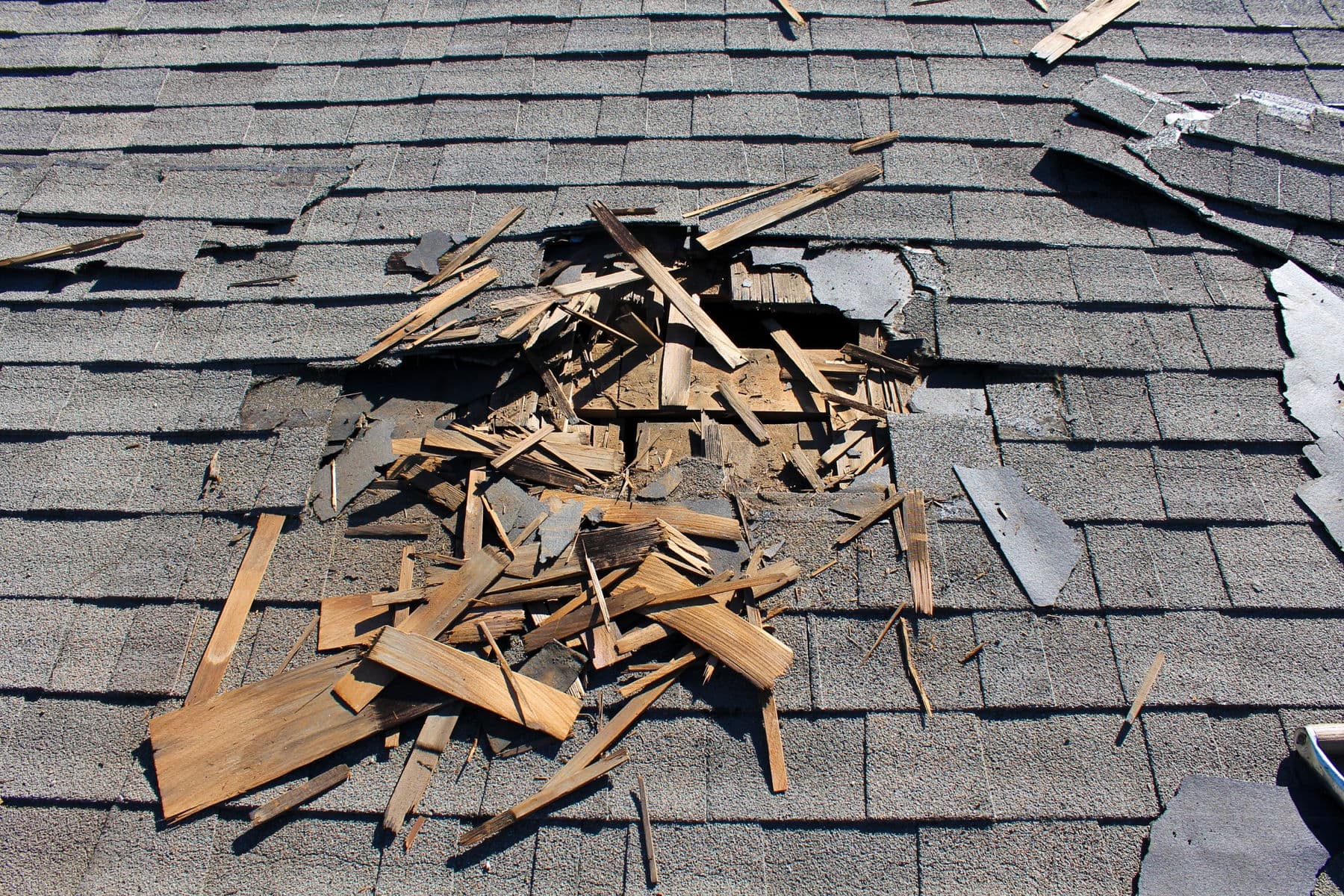
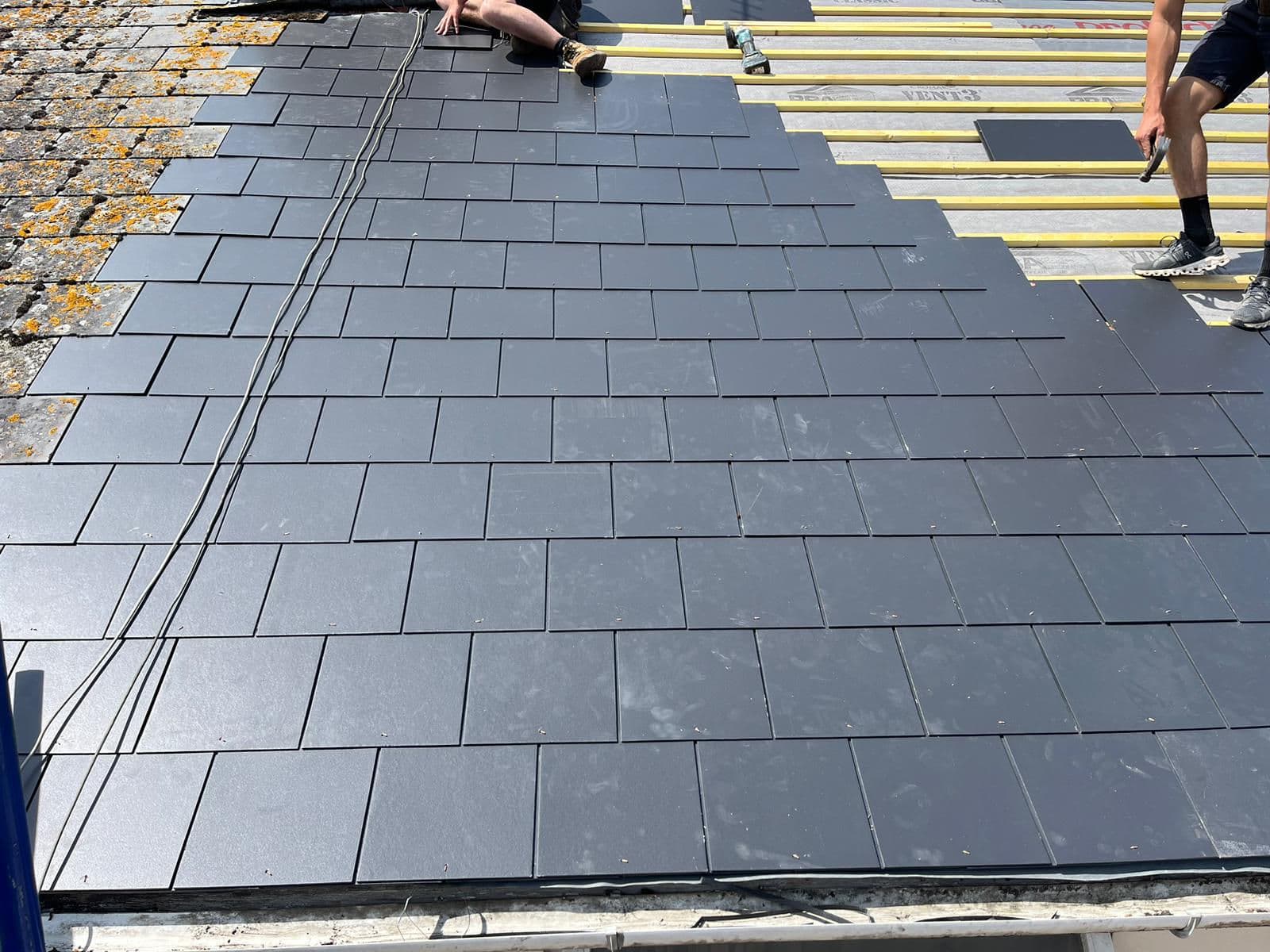
We explain the most energy efficient roofing materials because choosing the right roof does more than protect your home from the weather. It can also reduce heat loss in winter, keep your property cooler during summer, and lower your energy bills throughout the year. In our experience, homeowners often focus on appearance or price, but the material you choose can have a noticeable impact on comfort and long-term running costs.
From working with clients across Romney, Dymchurch, Lydd, New Romney, Hythe, and Ashford, we’ve found that many older roofs lose far more heat than homeowners realise. Over the past 15 years, we’ve completed more than 500 roofing projects across Kent, and a large proportion of replacement roofs have included upgraded insulation alongside modern roofing materials. In our experience, improving insulation during a roof replacement works better than simply replacing tiles because insulation provides the biggest improvement in overall energy efficiency.
What makes a roofing material energy efficient?
A roofing material becomes energy efficient when it helps regulate the temperature inside your home.
This is achieved by:
- Reducing heat loss during winter
- Reflecting excess heat during summer
- Working effectively with modern insulation
- Preventing unwanted moisture build-up
- Providing long-term weather protection
The roofing material itself is important, but how it is installed is equally critical.
Concrete roof tiles
Concrete roof tiles remain one of the most popular roofing materials across the UK.
They offer:
- Good thermal performance
- Excellent durability
- Competitive installation costs
- Long service life
From working on homes throughout Kent, we’ve found concrete tiles provide an excellent balance between affordability and energy performance when installed with modern breathable membranes and upgraded insulation.
Clay roof tiles
Clay tiles have been used on British homes for centuries and continue to perform extremely well.
Their natural properties help regulate temperature while providing excellent longevity.
Although they generally cost more than concrete tiles, they often remain in excellent condition for decades.
In our experience, clay tiles work better than lower-cost alternatives on period properties because they combine long lifespan with excellent weather resistance and help preserve the character of older homes.
Slate roofing
Natural slate is widely recognised as one of the most durable roofing materials available.
Benefits include:
- Excellent lifespan
- Strong weather resistance
- Low maintenance
- Good thermal performance when combined with modern insulation
While the initial investment is higher, slate often delivers exceptional long-term value.
We’ve completed several slate roof projects where homeowners specifically wanted a roofing material capable of lasting for generations.
Modern flat roofing systems
For extensions and commercial-style domestic properties, modern flat roofing systems can also provide excellent energy performance.
Older felt roofs often suffer from poorer insulation and weather resistance compared to modern systems.
From working with homeowners across Kent, we’ve found modern flat roofing systems perform significantly better than older installations because today’s materials are designed to improve waterproofing, durability, and thermal efficiency.
Insulation is just as important as the roof covering
One of the biggest misconceptions we encounter is that changing the roofing material alone dramatically improves efficiency.
In reality, insulation usually has the greatest influence.
We’ve found that many roofs built several decades ago contain insulation that falls well below current standards.
During new roof installations, upgrading insulation alongside the roof covering often provides the most noticeable improvement in energy performance.
Ventilation also improves efficiency
An energy-efficient roof needs proper ventilation.
Without adequate airflow, condensation can develop inside the roof space, reducing insulation performance and increasing moisture levels.
Well-designed ventilation helps maintain a consistent roof temperature and protects structural timbers.
From working with clients throughout Kent, we’ve found poor ventilation is one of the most common hidden issues discovered during roof replacement projects.
Roof maintenance protects efficiency
Even the best roofing materials lose performance if the roof is poorly maintained.
Professional roof repairs help prevent water ingress that can damage insulation and reduce thermal performance.
Small problems such as slipped tiles or damaged underlay can significantly affect the efficiency of the entire roofing system if ignored.
Roofline components matter too
Energy efficiency is not just about the roof covering.
Maintaining guttering, fascias, and soffits helps prevent water damage that can affect insulation and structural timbers.
We’ve found that blocked drainage systems frequently contribute to damp insulation, reducing its effectiveness over time.
Flashing helps keep heat and moisture under control
Proper leadwork and flashing around chimneys, roof valleys, and junctions prevents water entering vulnerable areas.
In our experience, replacing damaged flashing works better than repeatedly applying temporary sealants because it provides a durable weatherproof barrier that protects both the roof structure and insulation.
Planning permission for roof replacement
Most roof replacements carried out using similar materials do not require planning permission.
However, if major alterations are planned, homeowners should review the planning permission rules in England and Wales.
Additional guidance is available through the Planning Portal on roof work.
Building regulations and energy efficiency
Roof replacements must comply with GOV.UK building regulations.
Current regulations include minimum standards for insulation and energy performance.
Compliance is overseen through Local Authority Building Control and supported locally by Kent County Council.
Meeting these standards helps improve comfort while reducing heating costs.
Roofing safety remains essential
Roof installation and maintenance should always follow HSE working at height guidance.
In our experience, professional installation works better than attempting DIY roofing because correct installation directly affects both energy performance and long-term reliability.
Why local experience matters
Kent properties experience very different weather conditions depending on their location.
Coastal homes around Romney and Hythe are exposed to stronger winds and driving rain, while inland properties often experience heavier moss growth and greater seasonal temperature changes.
Because we work across Kent every week, we understand which roofing systems perform best in local conditions and how to maximise their energy efficiency.
This practical experience is one reason homeowners continue to trust Premier Roofing for honest roofing advice and quality workmanship.
Conclusion
Choosing the most energy efficient roofing materials involves much more than selecting the right tiles. In our experience, combining quality roofing materials with modern insulation, effective ventilation, and professional installation consistently delivers the best long-term results. If you are considering replacing your roof or improving your home’s energy efficiency, simply contact us and we will be happy to help.