We explain this question to homeowners across Kent all the time. Choosing the best roofing material for UK homes depends on weather, property style, budget, and how long you want the roof to last. The UK climate is demanding, with regular rain, strong winds, and temperature changes throughout the year. A roofing material that works well in one setting may not suit another, which is why there is no single answer for every home.
Understanding the strengths and weaknesses of each option helps you make a decision that protects your property long term.
What makes a roofing material suitable for the UK?
UK roofs must cope with frequent moisture, wind uplift, and seasonal movement. The best roofing materials share a few key qualities. They are durable, weather resistant, properly ventilated, and suitable for the structure beneath them.
Correct installation matters just as much as the material itself. Even the best roofing product will fail early if it is poorly fitted.
Concrete roof tiles
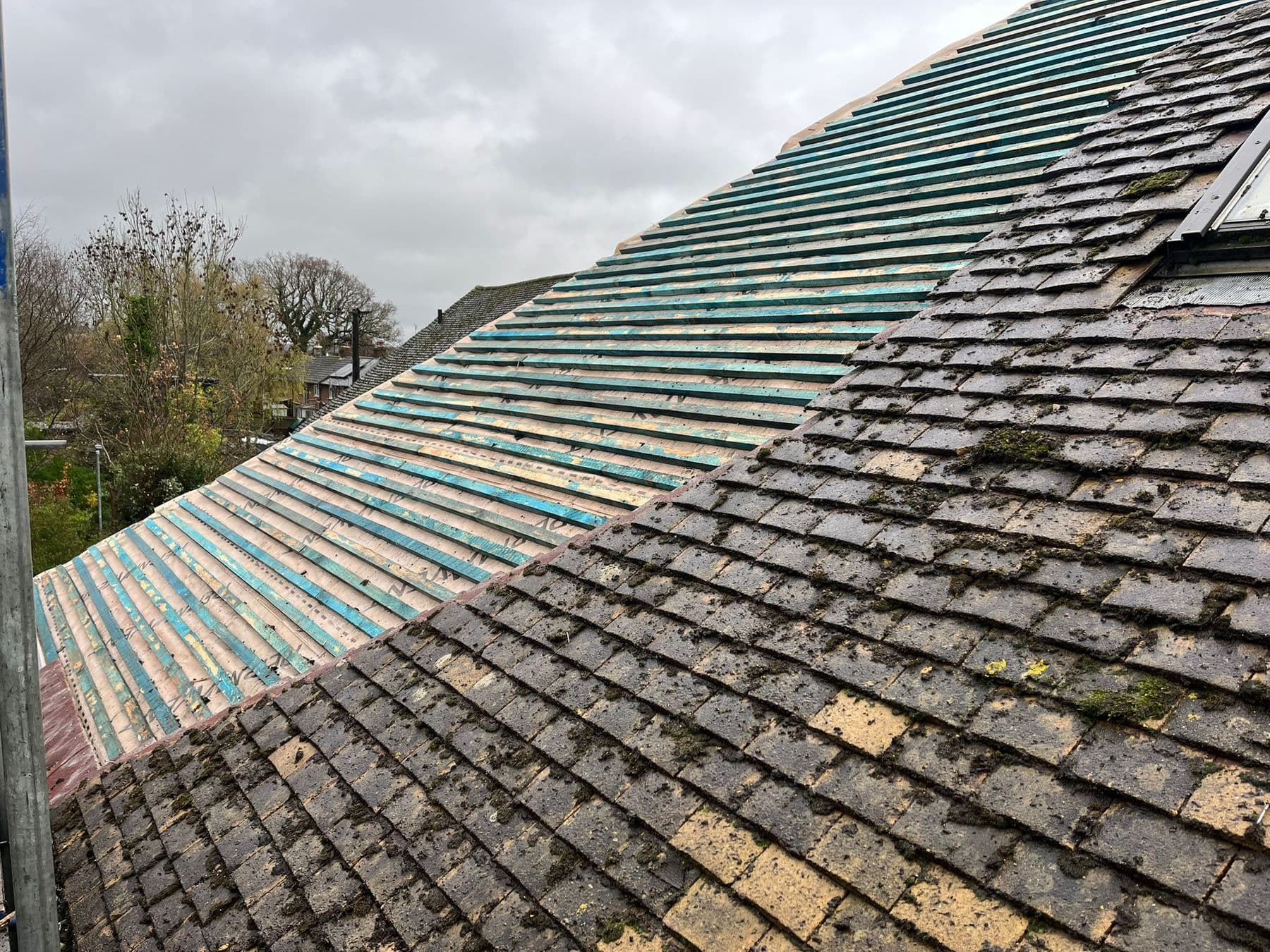
Concrete tiles are one of the most common roofing materials used across the UK. They are affordable, widely available, and suit many property styles.
Concrete tiles usually last several decades when installed correctly. They cope well with rain and wind, although they are heavier than some alternatives. Because of their weight, the roof structure must be strong enough to support them.
Concrete tiles are often chosen for their balance between cost and lifespan, making them a practical option for many homes.
Clay roof tiles
Clay tiles are a traditional roofing material seen on many older and character properties. They are known for their long lifespan and ability to age well over time.
Clay tiles resist fading and perform well in wet conditions. They are more expensive than concrete tiles but often last longer. Their appearance suits period homes and areas where maintaining character is important.
Clay tiles can be a good choice when appearance and longevity are priorities.
Natural slate roofing
Natural slate is one of the longest lasting roofing materials available in the UK. When installed correctly, a slate roof can last over a century.
Slate performs extremely well in wet and windy conditions and has a timeless appearance. However, it is one of the most expensive options and requires skilled installation. The roof structure must also be suitable for its weight.
Slate is often chosen for higher value properties where long term durability is the main focus.
Flat roofing materials
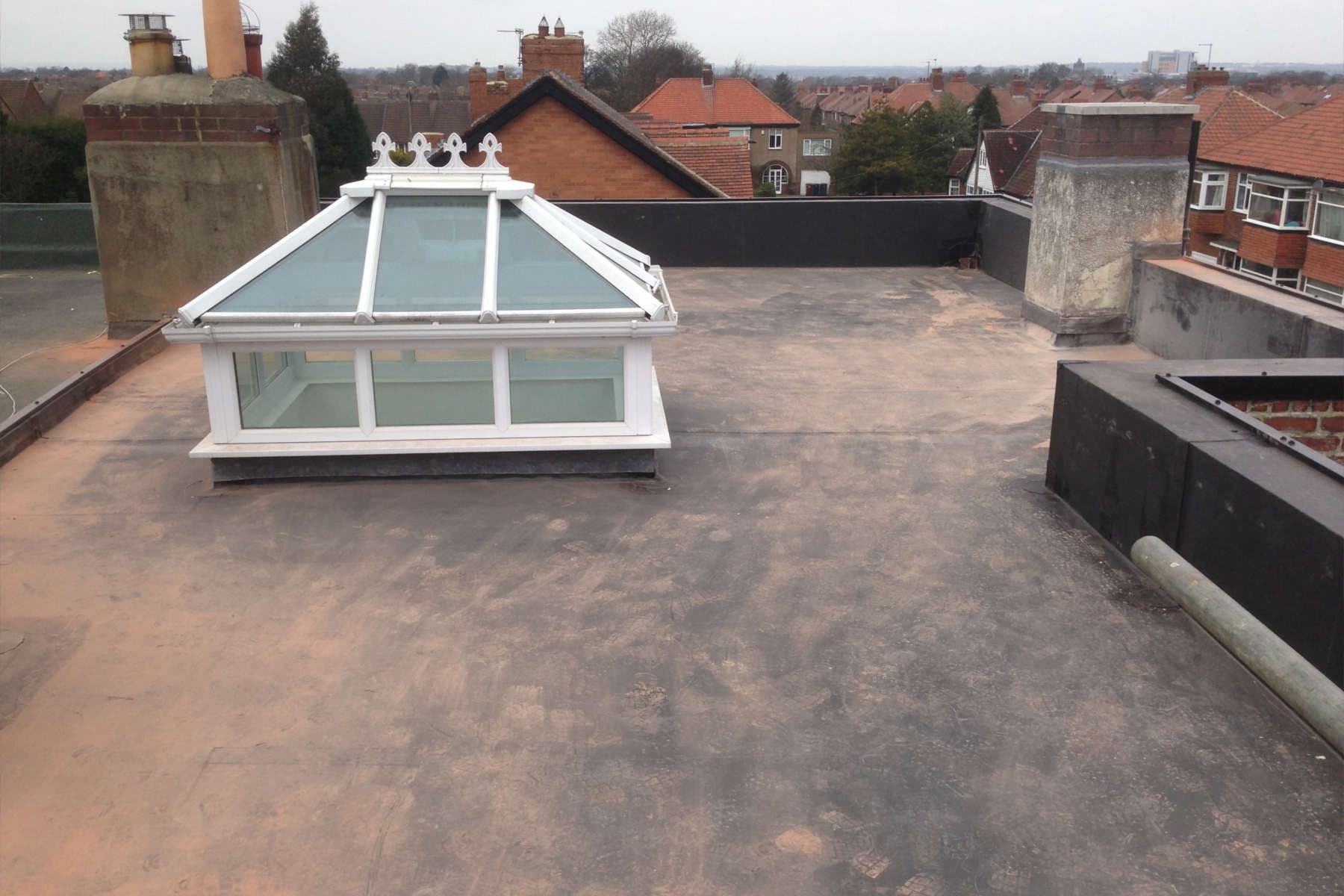
Flat roofs are commonly used on extensions, garages, and modern homes. Traditional felt systems have a shorter lifespan, while newer materials perform far better.
Modern flat roofing systems are designed to cope with UK weather when installed properly. Drainage and detailing are critical, as standing water shortens roof life.
Flat roofs often require more regular inspections than pitched roofs, but they can work very well in the right setting.
The role of roof details and drainage
No roofing material works alone. Roof details play a major role in performance. Chimneys, valleys, and joints rely on properly fitted leadwork and flashing to keep water out. These areas are often where leaks start if corners are cut.
Drainage is just as important. Well maintained guttering, fascias, and soffits ensure rainwater flows away from the roof instead of backing up and causing damage.
How maintenance affects material choice
Some materials need more attention than others. Slate and clay tiles generally need less frequent maintenance, while flat roofs and older concrete tiles benefit from regular checks.
Prompt roof repairs help extend the life of any roofing material. Fixing small issues early prevents water damage and protects the structure below.
Maintenance should always be considered when choosing a roofing material, not just the upfront cost.
Planning permission and roofing materials
Most like for like roof replacements do not require approval. However, changing materials can sometimes affect appearance or structure, especially in conservation areas.
Homeowners should be aware of planning permission rules in England and Wales. Guidance from the Planning Portal on roof work helps explain what is allowed under permitted development.
Building regulations and material standards
All roofing materials used on new roofs must comply with GOV.UK building regulations. These rules cover insulation, ventilation, structural safety, and weather resistance.
Compliance is overseen by Local Authority Building Control. In Kent, this is managed through Kent County Council planning and building control. Any reputable roofer will ensure materials and installation methods meet these requirements.
Safety during installation
Roofing work carries risks and should always be done safely. All installation and inspection work should follow HSE working at height guidance. Proper access, equipment, and trained professionals are essential to ensure the job is completed safely and correctly.
Which roofing material is best for Kent homes?
There is no single best option for every property. Concrete tiles suit many modern homes and offer good value. Clay tiles and slate are ideal for period properties or where long lifespan matters. Flat roofing systems work well for extensions and contemporary designs.
The best choice depends on budget, property style, structural suitability, and long term plans for the home.
Our approach to choosing roofing materials
We assess each property individually and explain the pros and cons of suitable materials clearly. We do not push one option over another. The aim is always to recommend what will perform best for the building and the homeowner.
When we carry out new roof installations, we focus on quality materials, correct installation, and long term performance.
Homeowners across Kent continue to trust Premier Roofing for honest advice and reliable roofing work.
How material choice affects long term costs
Cheaper materials may cost less upfront but often require more maintenance or earlier replacement. Higher quality materials usually cost more initially but provide better value over time through longer lifespan and fewer repairs.
Looking at the full lifespan cost helps avoid false savings.
The same covering, two different roofs
Our patch answers this question better than most, because it runs from sheltered inland Ashford out to the open coast at Lydd in about twenty minutes. The same covering on the same house behaves completely differently at each end. That is why we would rather talk about the specification underneath than about the material on top, since the fixings and the membrane are what decide how long it lasts here.
Conclusion
Choosing the best roofing material for UK homes depends on climate, property type, budget, and long term expectations. There is no one size fits all solution, but with the right advice, you can choose a material that protects your home for decades. If you would like guidance on the best roofing option for your property, simply contact us and we will be happy to help.