We provide storm damage roof repairs in Kent for homeowners who need fast, reliable solutions after high winds, heavy rain, or severe weather. Storm damage is not always obvious from the ground. In our experience, many roofs appear undamaged after a storm, only for leaks or structural issues to become apparent days or even weeks later. Acting quickly after severe weather helps prevent minor damage from becoming a much larger and more expensive problem.
From working with clients across Romney, Dymchurch, Lydd, New Romney, Hythe, and Ashford, we’ve found that strong winds are responsible for far more roofing issues than heavy rain alone. Over the past 15 years, we’ve completed more than 500 roofing projects across Kent, with a significant number involving storm-related damage. In our experience, arranging a professional inspection immediately after severe weather works better than waiting for visible leaks because hidden damage is often discovered long before water reaches the inside of the property.
How storms damage roofs
Storms place every part of the roof under pressure.
Common causes of storm damage include:
- Strong winds lifting tiles
- Heavy rainfall forcing water beneath damaged roofing materials
- Falling branches
- Flying debris
- Blocked gutters causing overflowing water
What actually tends to happen is one damaged area allows water into the roof structure, creating problems that continue long after the storm has passed.
Common signs of storm damage
Not every roofing problem is immediately obvious.
After severe weather, look for:
- Missing or slipped roof tiles
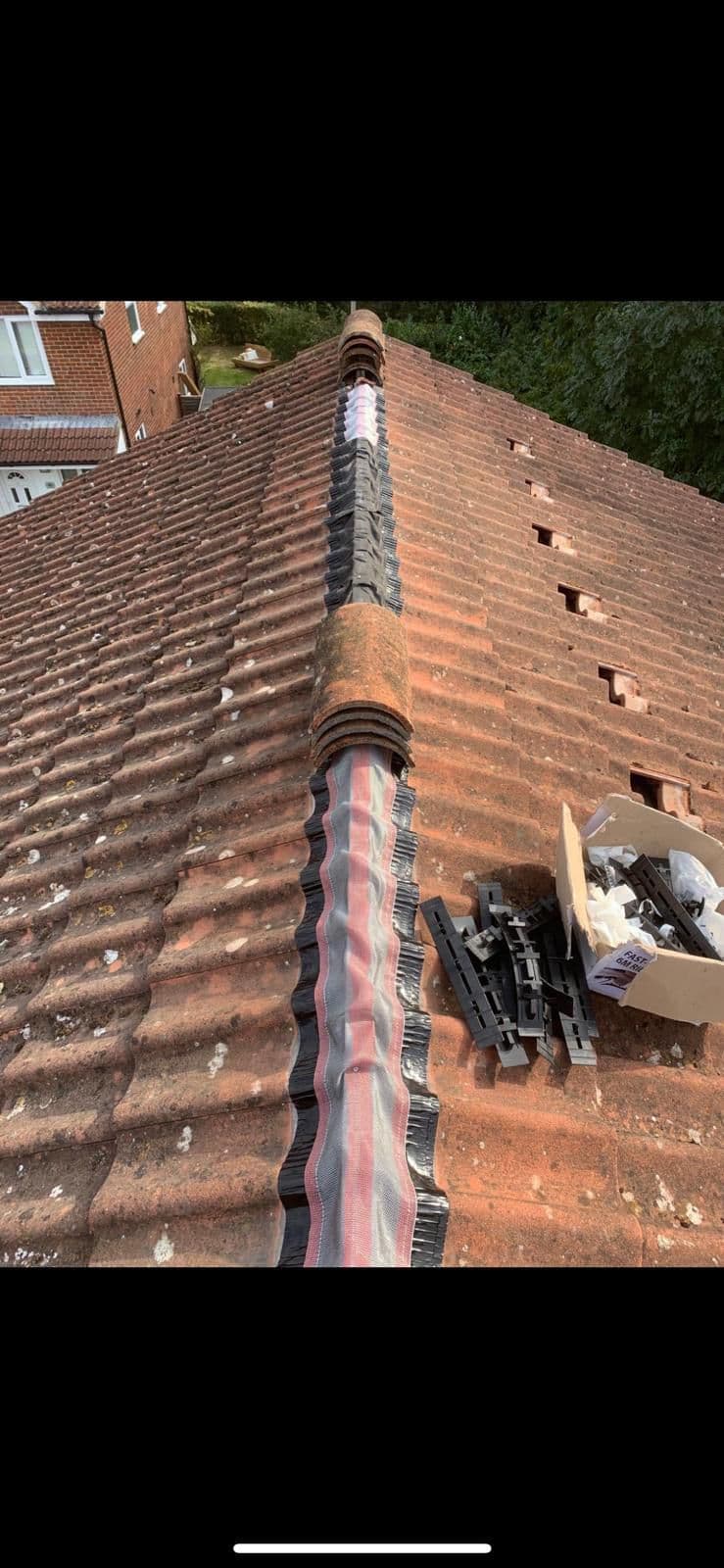
- Broken ridge tiles
- Debris on the roof
- Water stains on ceilings
- Damp loft insulation
- Overflowing gutters
- Loose flashing
We’ve found that homeowners who carry out a visual inspection from ground level after storms often identify issues before they become emergency repairs.
Why immediate repairs are important
Small areas of storm damage rarely stay small.
Professional roof repairs carried out quickly prevent further water entering the roof.
In our experience, repairing storm damage within the first few days works better than delaying repairs because secondary damage such as timber decay, insulation damage, and ceiling staining can often be avoided.
From working with homeowners across Kent, we’ve found that many costly repairs begin with just one or two displaced roof tiles.
Storm damage to roof tiles
Roof tiles are designed to withstand normal weather conditions, but severe winds can loosen or remove them.
Even if only one tile has moved, the waterproof layers beneath become exposed.
What actually tends to happen is rainwater begins entering beneath surrounding tiles, affecting much larger sections of the roof than homeowners initially expect.
Flat roofs after severe weather
Flat roofs can also suffer during storms.
Heavy rainfall may highlight drainage issues that were previously unnoticed. It is also the moment people ask whether anything can be fixed while it is still raining, and the honest answer is yes to making a roof watertight and no to the repair itself.
Standing water, damaged membranes, or lifted edges should all be inspected as soon as possible.
From working on flat roofs throughout Kent, we’ve found that prompt maintenance after storms significantly extends their lifespan.
Chimneys and flashing are vulnerable
Strong winds and heavy rain frequently affect chimney areas.
Proper leadwork and flashing protect roof joints from water ingress.
In our experience, replacing damaged flashing works better than temporary sealants because it restores the roof’s long-term weather protection.
We’ve completed numerous storm repair projects where flashing damage was the primary cause of persistent leaks.
Gutters often suffer storm damage
Storms frequently fill gutters with leaves, moss, and debris.
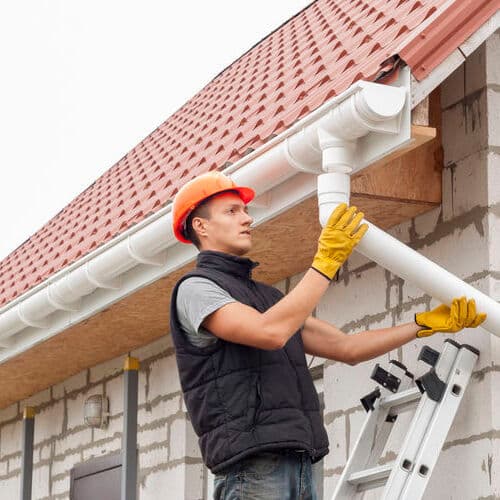
Maintaining guttering, fascias, and soffits after severe weather helps prevent water overflowing onto roof edges and external walls.
We’ve found that blocked gutters are one of the most common secondary problems following autumn and winter storms across Kent.
When storm damage requires a new roof
Fortunately, most storm damage can be repaired.
However, if a roof has suffered widespread structural damage or repeated storm-related deterioration over many years, replacement may become the better option.
We carry out new roof installations where repairs are no longer economically practical.
From our own project records, we’ve found that replacing severely weathered roofs often provides homeowners with lower maintenance costs and greater long-term peace of mind.
Storm damage insurance claims
Many homeowners’ insurance policies include cover for storm damage.
If you believe your roof has been affected, it is usually advisable to:
- Arrange a professional inspection
- Photograph visible damage
- Keep records of repairs
- Contact your insurer promptly
A clear assessment of the damage often helps support the claims process.
Planning permission for storm repairs
Most storm damage repairs do not require planning permission when restoring the roof to its original condition.
If larger structural alterations are needed, homeowners should review the planning permission rules in England and Wales.
Further guidance is available through the Planning Portal on roof work.
Building regulations
Major storm damage repairs and roof replacements must comply with GOV.UK building regulations.
These regulations cover:
- Structural safety
- Insulation
- Ventilation
- Weather resistance
Compliance is overseen through Local Authority Building Control and supported locally by Kent County Council.
Safety after storm damage
Damaged roofs should never be inspected by climbing onto them yourself.
All roofing work should follow HSE working at height guidance.
In our experience, arranging a professional inspection works better than attempting temporary DIY repairs because hidden structural damage is often missed and working on a storm-damaged roof can be dangerous.
Why local experience matters
Kent experiences a wide range of weather conditions throughout the year.
Coastal areas such as Romney and Hythe are regularly exposed to stronger winds, while inland properties around Ashford often experience heavy rainfall combined with falling tree debris.
Because we work across Kent every week, we understand how local weather affects different roofing systems and which repairs provide the most durable long-term results.
This local experience is one reason homeowners continue to trust Premier Roofing for dependable storm damage roofing services.
Conclusion
Professional storm damage roof repairs in Kent help protect your home from further weather damage and prevent small problems becoming major structural repairs. In our experience, arranging an inspection as soon as possible after severe weather consistently delivers the best outcome for homeowners. If your roof has been affected by a recent storm or you would like a professional assessment, simply contact us and we will be happy to help.