We respond to urgent calls across the county when homeowners need fast and reliable help. Emergency roof repairs in Kent are often needed after storms, sudden leaks, falling debris, or unexpected structural failure. When a roof is compromised, quick action is essential to prevent further damage inside the home.
Roof emergencies rarely happen at a convenient time. Strong winds, heavy rain, or sudden impacts can cause immediate issues that need urgent attention. Acting quickly helps protect the structure of your property and reduces long term repair costs.
What counts as a roofing emergency?
Not every roofing problem is urgent, but some situations require immediate action.
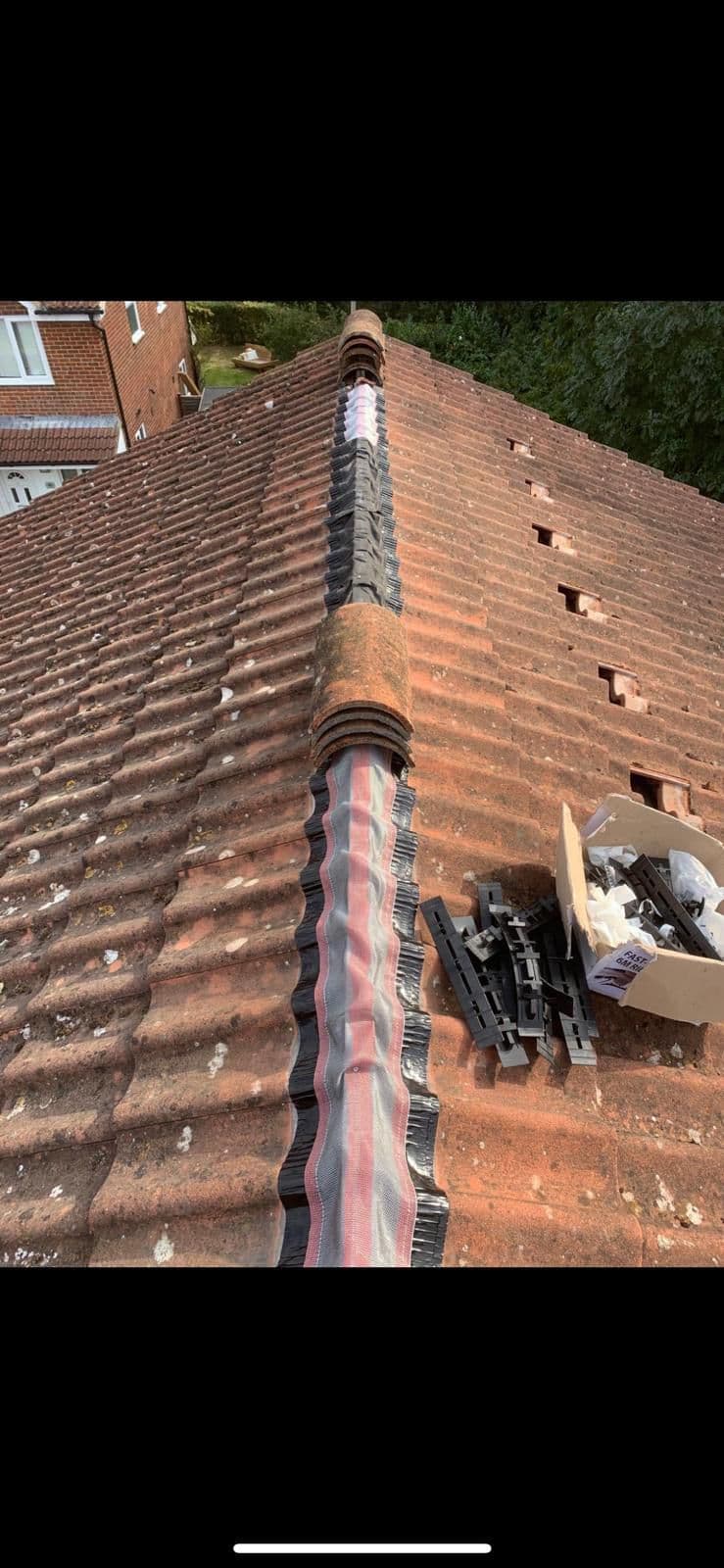
Common roofing emergencies include large leaks during heavy rain, multiple missing tiles after a storm, collapsed sections of roof, severe ridge tile movement, and damage caused by fallen branches or debris. Any situation where water is actively entering the property should be treated as urgent.
In these cases, temporary measures may be needed first to secure the roof before permanent repairs can be completed.
Common causes of roofing emergencies in Kent
Storm damage
Strong winds are one of the main causes of emergency roof repairs. Gusts can lift tiles, loosen ridges, and damage flashing. Heavy rainfall then exposes these weak points and allows water to enter.
After severe weather, roofs should always be checked for damage.
Fallen debris
Falling branches or debris can crack tiles or damage flat roofing surfaces. Even small impacts can create hidden weaknesses that lead to leaks.
Sudden flashing failure
Areas around chimneys and roof joins rely on secure leadwork and flashing. If flashing becomes loose or damaged during bad weather, water can enter quickly and cause visible leaks.
Blocked drainage
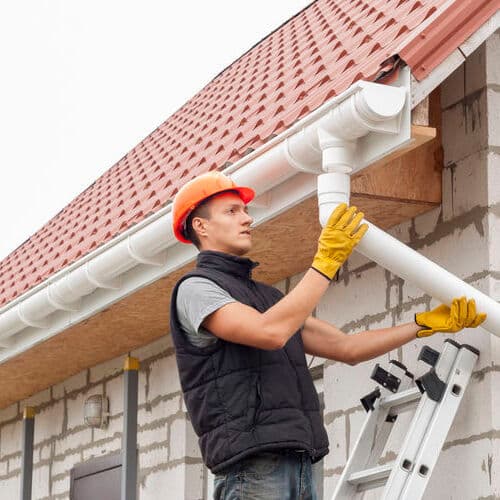
Heavy rain combined with blocked guttering, fascias, and soffits can cause water to overflow and back up under the roof covering. This often leads to sudden internal damp or ceiling stains.
Signs you need emergency roof repairs
Water dripping inside the property during rainfall is the clearest sign. Large ceiling stains, sagging plasterboard, or visible daylight through the roof are also serious warnings. Whether anything can be done about it there and then depends on the weather, and what a roofer can actually do in the rain is a narrower list than most people expect.
Outside, missing tiles, displaced ridge lines, or visible gaps in the roof covering indicate urgent problems.
If you notice these signs, it is important to arrange an inspection immediately.
What happens during emergency roof repairs?
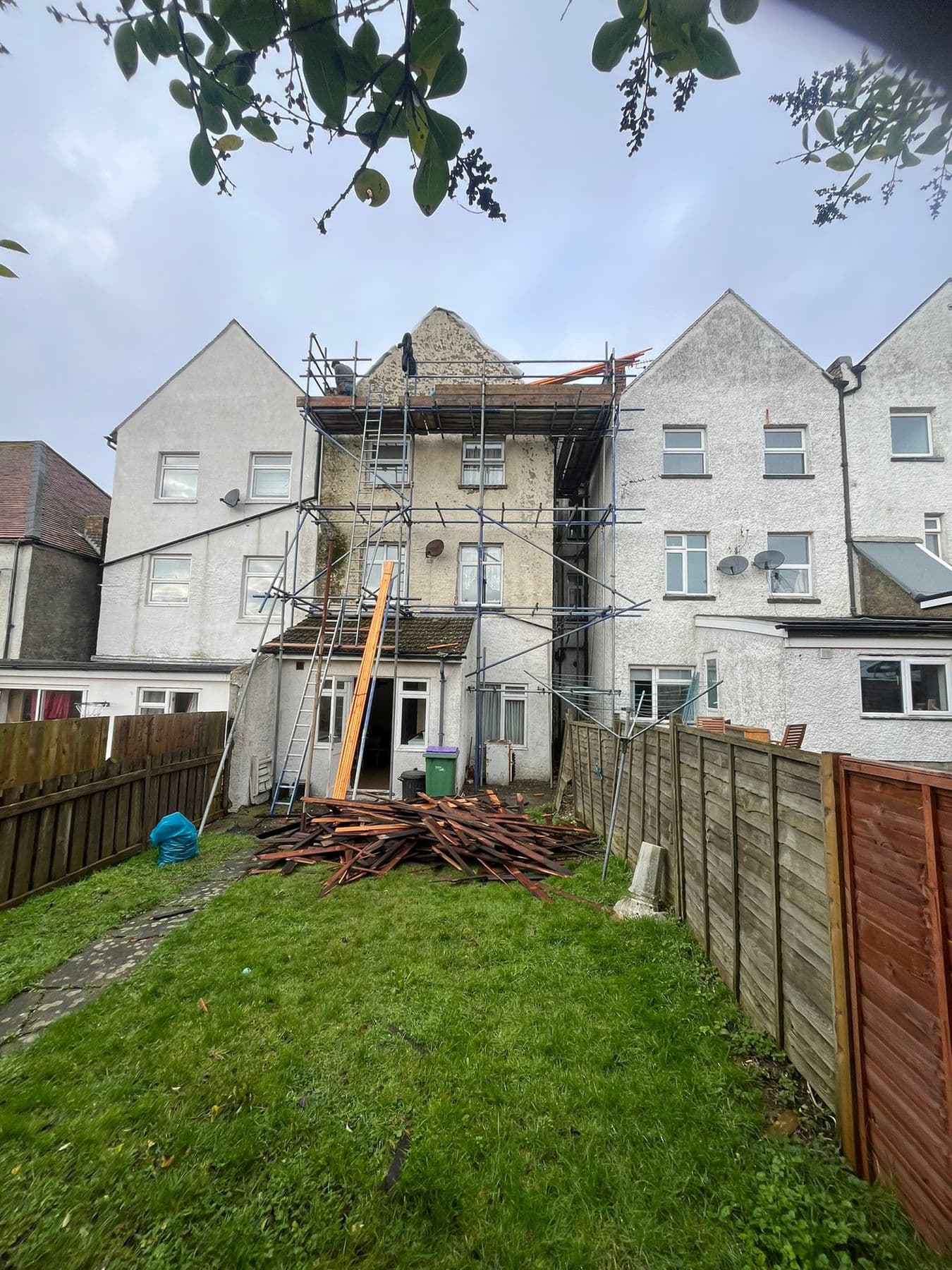
The first step is to make the roof safe and prevent further water ingress. This may involve temporary coverings, securing loose tiles, or removing hazardous debris.
Once the immediate risk is controlled, permanent roof repairs can be carried out. The goal is always to address the root cause rather than applying a short term patch.
In some cases, emergency damage may reveal wider underlying issues.
When emergency damage leads to replacement
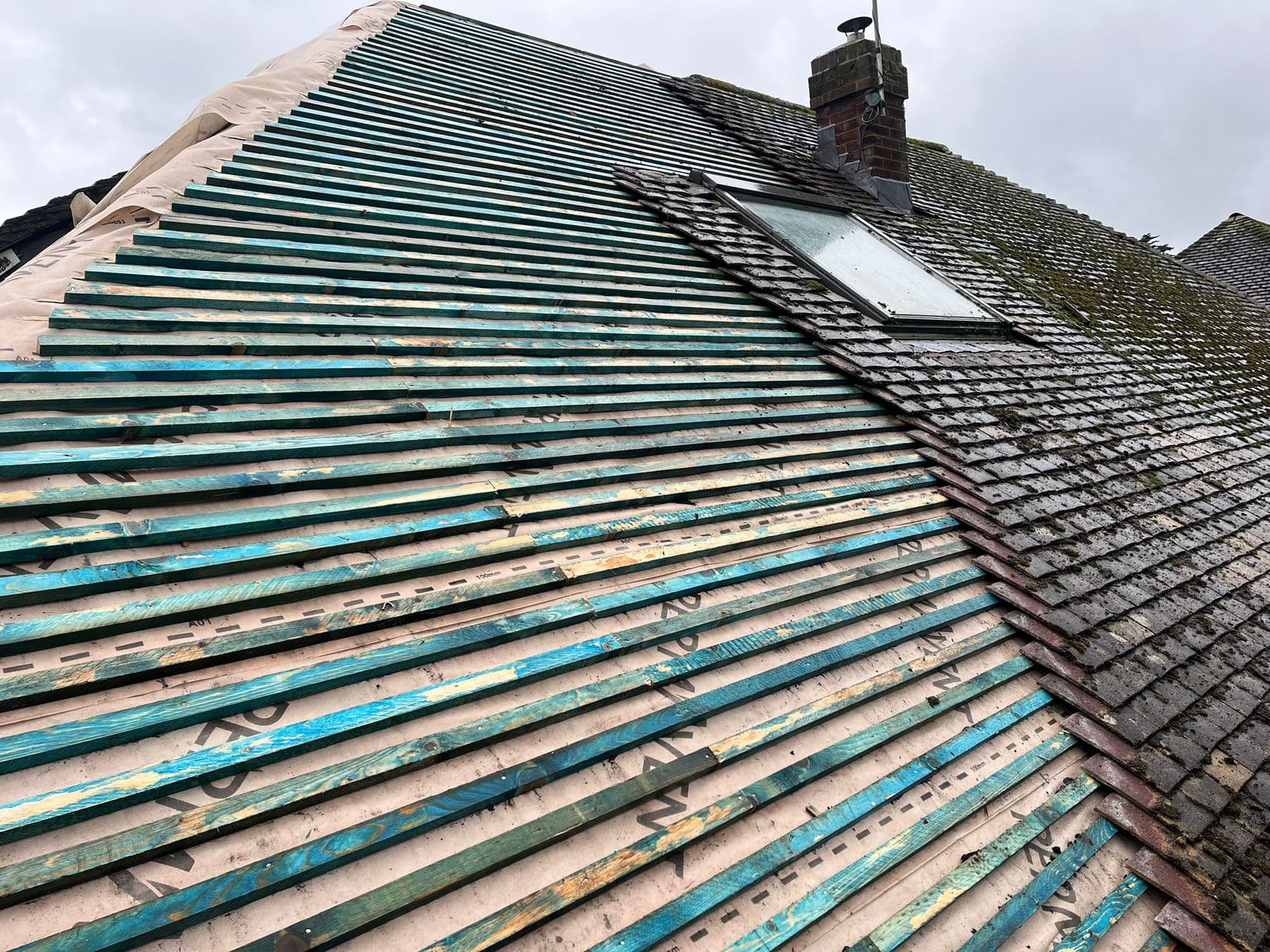
If a roof is already near the end of its lifespan, storm damage can expose deeper structural weaknesses. Widespread tile failure, rotten battens, or significant water damage may mean repairs are no longer reliable.
In these cases, we explain options clearly, including new roof installations, so homeowners can decide on the best long term solution.
Planning permission and emergency repairs
Most emergency roof repairs are classed as maintenance and do not require approval. However, if major structural changes are needed, it is sensible to check planning permission rules in England and Wales.
Guidance from the Planning Portal on roof work helps clarify what is allowed under permitted development.
Building regulations and compliance
If emergency repairs involve structural work, they must comply with GOV.UK building regulations. These regulations ensure the roof remains safe and weather resistant.
Compliance is overseen by Local Authority Building Control. In Kent, this is managed through Kent County Council planning and building control. Professional roofers ensure the correct standards are met.
Safety during emergency roof work
Roofing emergencies can create dangerous conditions. Loose tiles, exposed timbers, and wet surfaces increase risk. All emergency work must follow HSE working at height guidance to ensure safety.
Attempting temporary fixes without proper equipment can make the situation worse and increase the risk of injury.
How to reduce the risk of roofing emergencies
Regular inspections and maintenance reduce the chance of sudden failure. Checking the roof after storms, clearing gutters, and addressing small problems early all help prevent emergencies.
Preventative care is usually far less costly than urgent repairs.
Local knowledge also makes a difference. Roofers familiar with Kent properties understand common weak points and how local weather affects roofing systems.
Homeowners across the county continue to trust Premier Roofing for fast response, honest advice, and reliable roofing work.
Getting to you, and how quickly
We work from Shadoxhurst just outside Ashford, and most of the patch sits within about twenty minutes of the yard. That is the practical value of a local twenty four hour call out over a national number. The gap between a roof letting go and somebody getting to it is what decides whether this is a repair or a ceiling.
Conclusion
When you need emergency roof repairs in Kent, quick action protects your home from further damage. Leaks and storm damage rarely improve on their own and often worsen quickly. If your roof has been damaged or you suspect urgent issues, simply contact us and we will respond as quickly as possible to help secure your property.