We explain the risks of ignoring roof repairs because this is something we see regularly across Kent. Small roofing issues rarely stay small. What starts as a minor problem can quickly turn into a much larger and more expensive one if it is left unchecked.
In practice, what we see quite often is homeowners noticing a small leak or a slipped tile and putting it off. What actually tends to happen is the damage spreads beneath the surface, and by the time it is addressed, the repair has become far more involved.
Understanding the risks helps you act early and avoid unnecessary costs.
Water damage inside the property
One of the most immediate risks of ignoring roof repairs is water entering the home.
A small leak can lead to damp patches on ceilings and walls. Over time, this moisture can damage plaster, paint, and even electrical systems.
What many homeowners do not realise is that the visible leak is often only a small part of the problem. Water can travel through the roof structure before it appears inside.
Structural damage to the roof
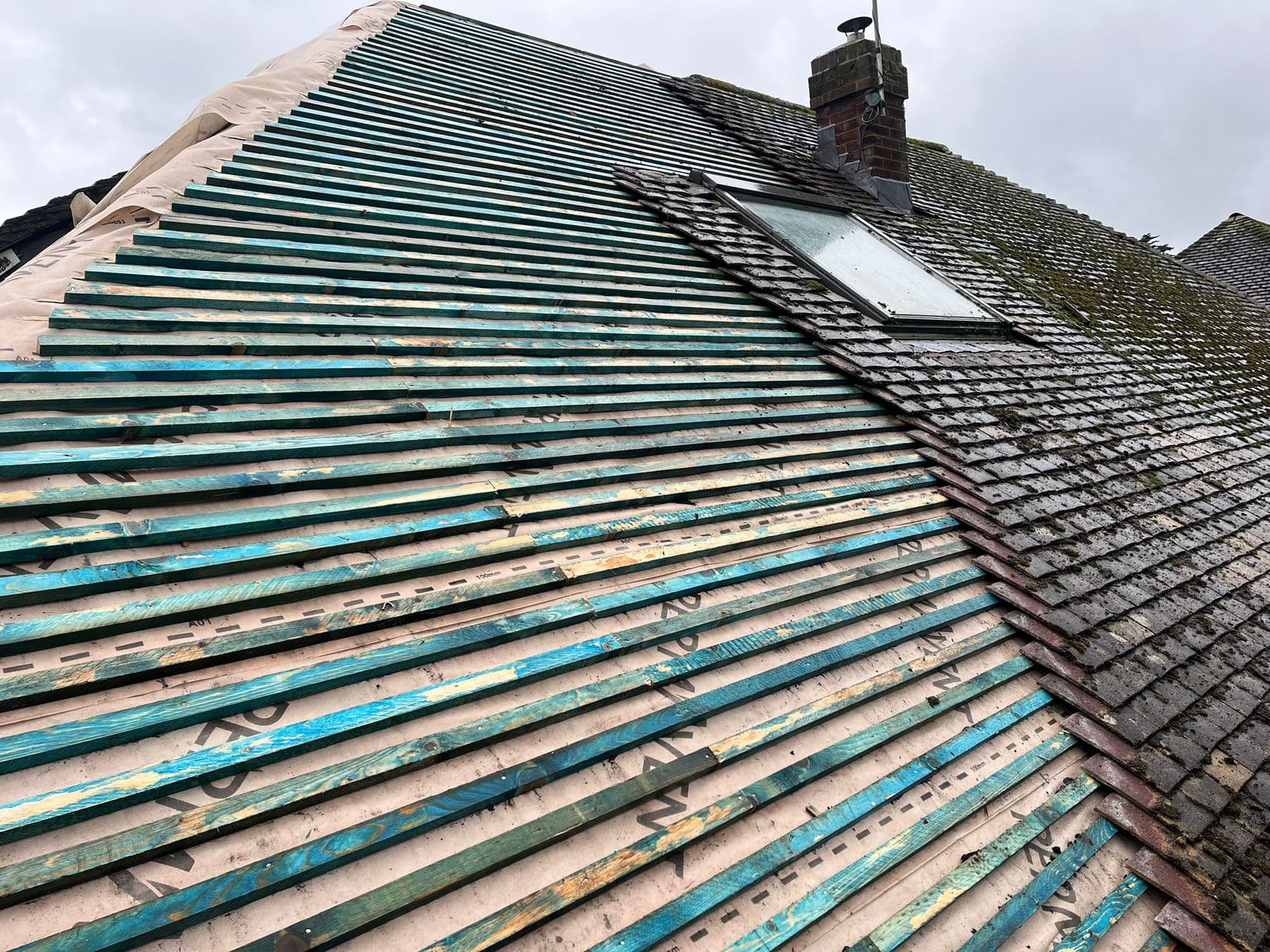
When water enters the roof, it does not just affect the surface. It can weaken timber, battens, and other structural components.
In Kent, especially in older properties, we often find that prolonged exposure to moisture leads to rot within the roof structure.
At that stage, simple roof repairs may no longer be enough, and more extensive work is required.
Increased repair costs over time
Delaying repairs usually results in higher costs. What could have been a quick fix often turns into a larger job involving multiple areas of the roof.
A common mistake we see is homeowners trying to manage the problem with temporary fixes. What actually tends to happen is the issue returns, often worse than before.
Addressing problems early is always more cost effective.
Damage to insulation and energy efficiency
Water entering the roof can soak insulation. Once insulation becomes damp, it loses its effectiveness.
This can lead to higher heating costs, as the property struggles to retain heat.
In some cases, insulation may need to be completely replaced, adding to the overall cost of repairs.
Problems with roofline components
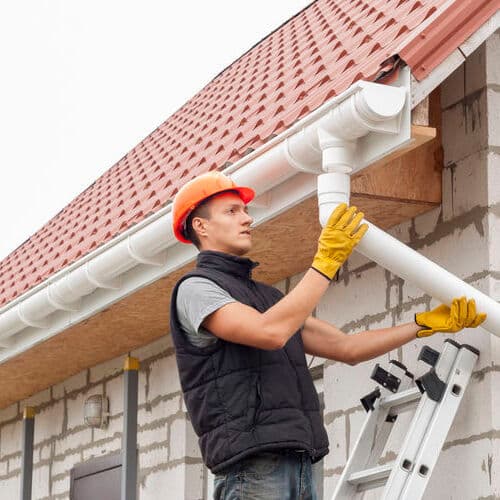
Roof issues often affect the surrounding roofline. Overflowing or damaged guttering, fascias, and soffits can worsen the situation by allowing water to run down walls or enter the roof edges.
We often find that what appears to be a gutter problem is actually linked to underlying roof damage.
Keeping the entire roofline system in good condition helps prevent further issues.
Increased risk of leaks around joints
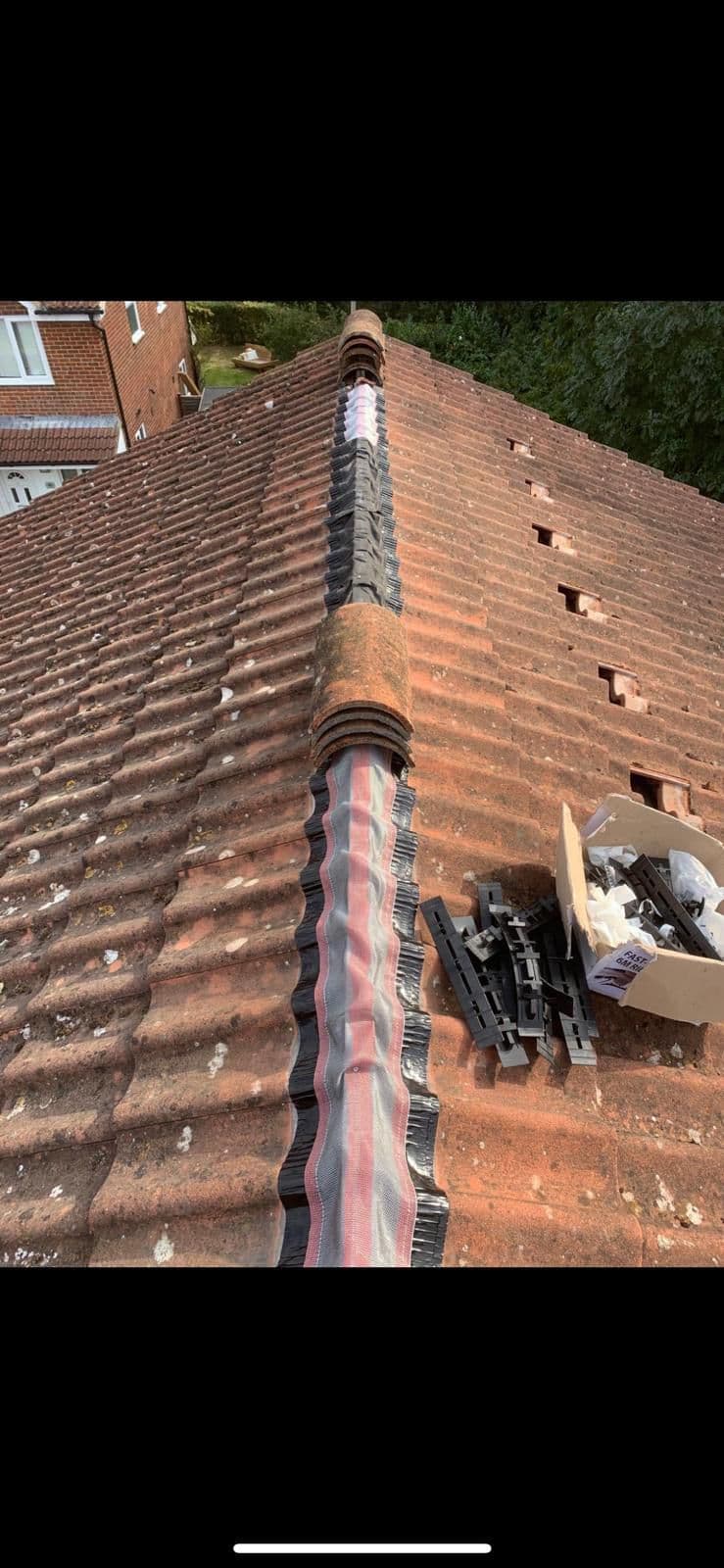
Chimneys, valleys, and roof joins are particularly vulnerable areas. These rely on properly installed leadwork and flashing to keep water out.
If these areas are damaged and left untreated, water can enter quickly and spread beneath the roof covering.
This often leads to hidden damage that is not immediately visible from inside the home.
Mould and damp problems
Persistent moisture from roof leaks can lead to mould growth. This not only damages the property but can also affect indoor air quality.
Mould often develops in loft spaces or behind walls where moisture is trapped.
In practice, we sometimes find that homeowners focus on treating the mould itself, without addressing the roof issue causing it.
When minor issues lead to full roof replacement
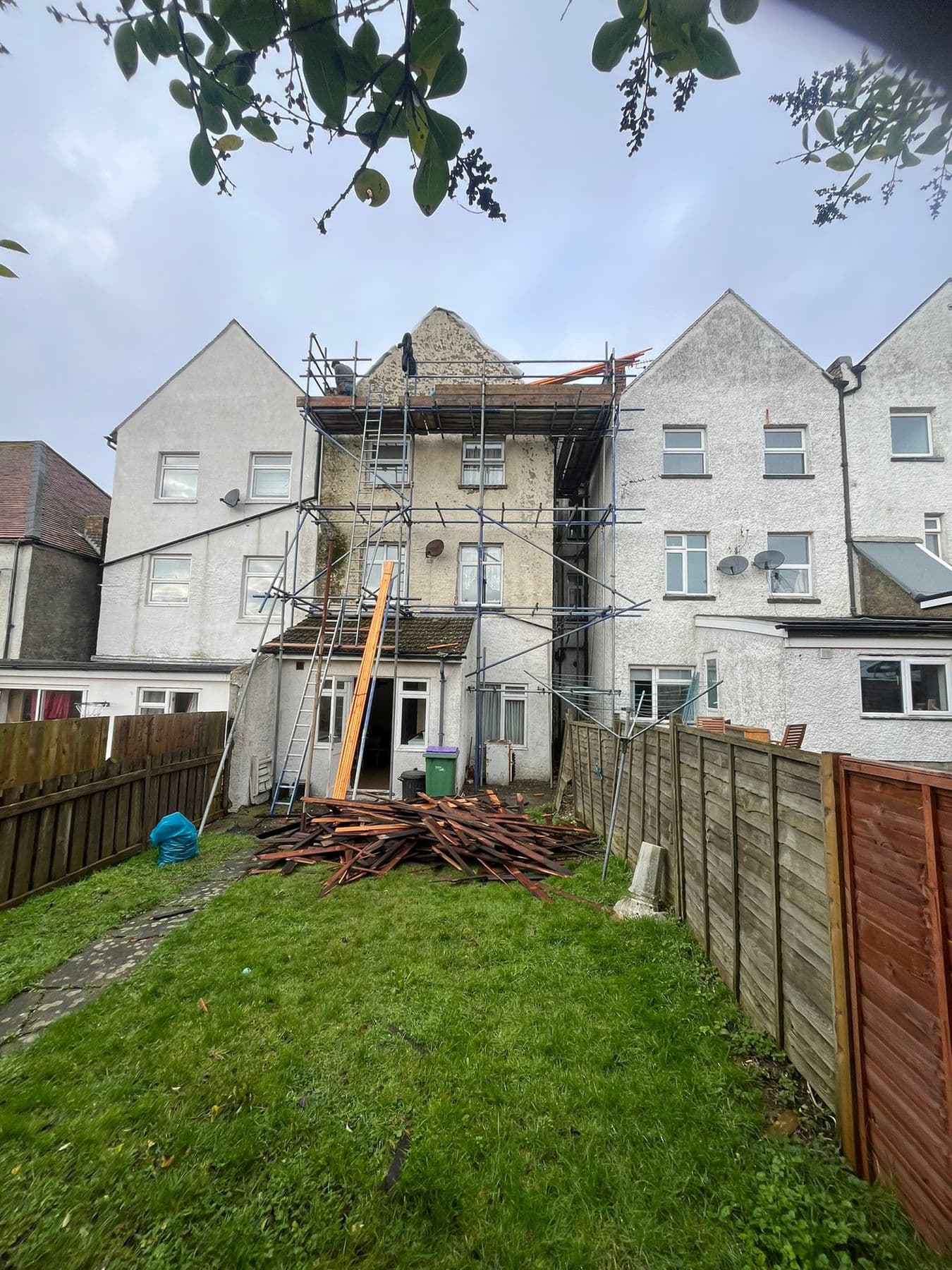
Ignoring repairs for too long can result in the need for a full roof replacement.
What starts as a few damaged tiles can eventually affect large sections of the roof. At this stage, repairs may no longer be effective.
We often carry out new roof installations in situations where early repairs could have prevented the need for replacement.
Planning permission and major repairs
Most repair work does not require approval. However, if the roof structure is altered or replaced, homeowners may need to follow planning permission rules in England and Wales.
The Planning Portal on roof work provides useful guidance.
Building regulations and compliance
Larger repairs or replacements must meet GOV.UK building regulations, particularly when structural elements or insulation are involved.
Compliance is overseen by Local Authority Building Control, with local authority services managed by Kent County Council.
Ensuring work meets these standards protects the property long term.
Safety risks of ignoring roof damage
Damaged roofs can become unsafe. Loose tiles may fall, and weakened structures can pose a risk during storms.
All roofing work must follow HSE working at height guidance to ensure safety.
Ignoring damage increases the risk of accidents as well as further structural problems.
Why local experience matters
Roofing issues in Kent vary depending on location. Coastal properties face strong winds, while inland homes often deal with moss and drainage issues.
Understanding these local conditions helps identify problems early and provide the right solution.
Homeowners across the area continue to trust Premier Roofing for reliable roofing advice and repairs.
What waiting costs around here
A slipped tile in sheltered Ashford can sit for a while before it becomes anything. The same tile on an exposed Marsh roof is an open route for driven rain within a week, because out there the weather arrives sideways. That is the real local argument for looking early, and it is why we would rather come out, look and tell you the roof is sound. Roof repairs caught early are almost always the cheapest job we do.
Conclusion
Understanding the risks of ignoring roof repairs helps you avoid unnecessary damage and expense. Small issues can quickly develop into larger problems affecting the structure, insulation, and safety of your home. Acting early is always the best approach. If you have noticed signs of damage or would like your roof checked, simply contact us and we will be happy to help.