We explain how long does roof installation take to homeowners across Kent quite often. When people plan roofing work, one of the first questions they ask is how long the job will take. The answer depends on several factors such as roof size, the materials being used, weather conditions, and the complexity of the property.
In many cases, a roof installation can be completed within a few days. However, every roof is different, so it is important to understand what affects the timeline.
Typical roof installation timeframes
For most residential homes, roof installation usually takes between a few days and around a week. Smaller roofs such as garages or extensions can often be completed faster, while larger or more complex roofs take longer.
Several stages are involved in the process. These include removing the old roofing materials, inspecting the structure beneath, installing new underlay and battens, and finally fitting the new tiles or covering.
When we carry out new roof installations, we always ensure each stage is completed properly rather than rushing the process.
Factors that affect installation time
Roof size
Larger roofs naturally take longer to complete. A small roof on a bungalow or garage can be finished quickly, while a large family home with multiple roof sections will take more time.
Roof design and complexity
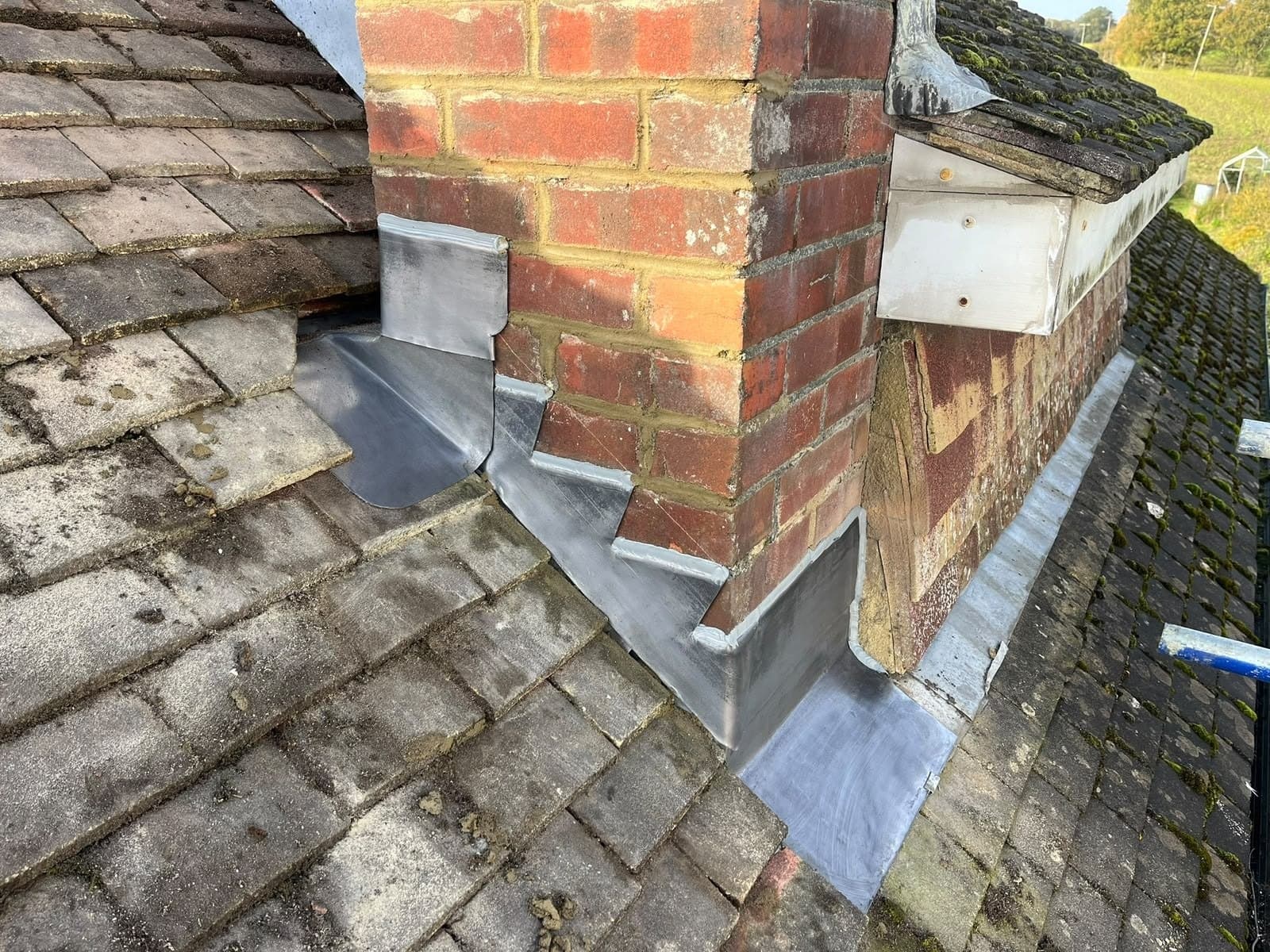
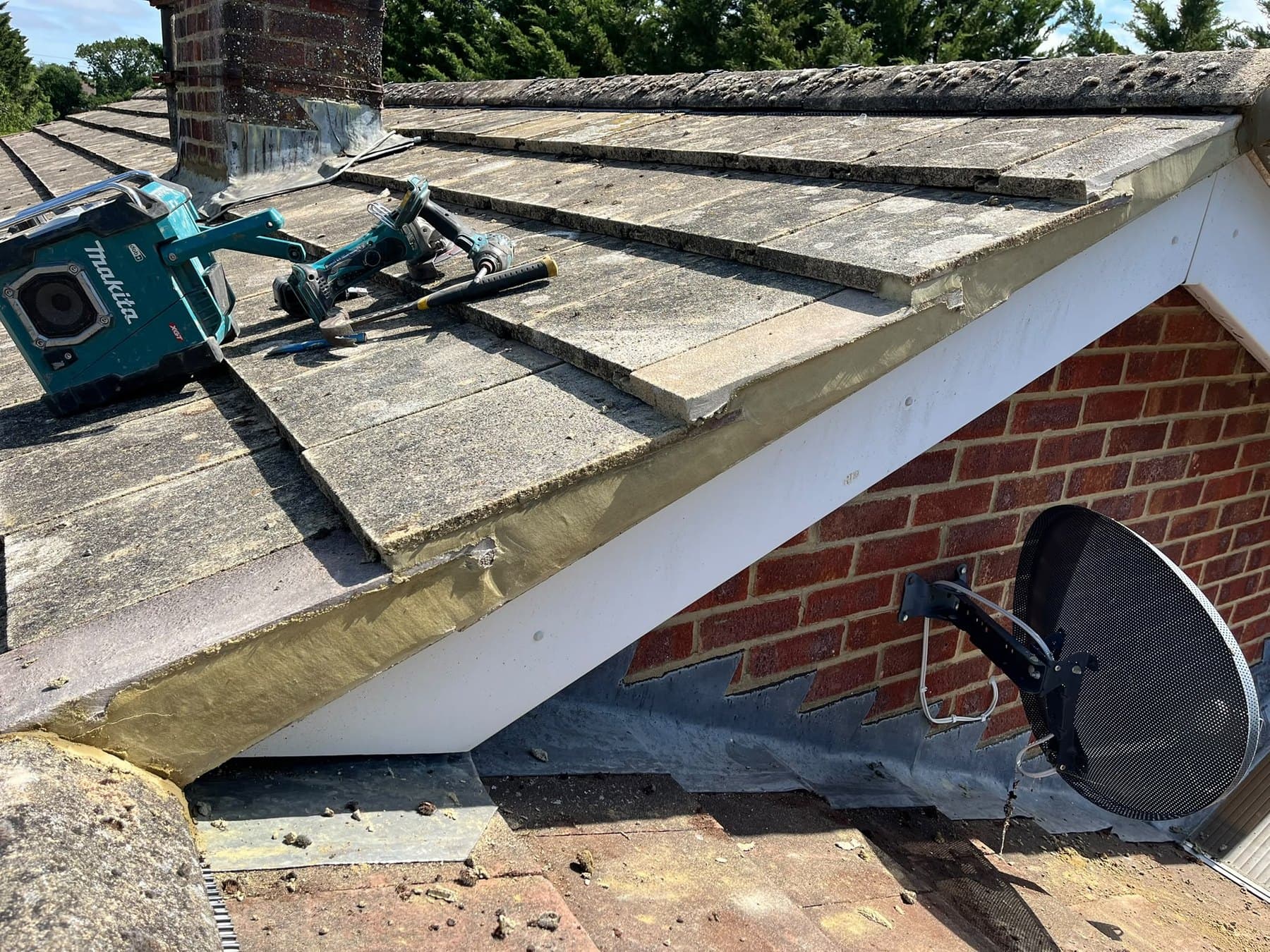
Roofs with multiple valleys, dormers, or chimneys require more careful detailing. These areas take additional time because they must be sealed correctly to prevent leaks.
Correct installation around chimneys and roof joins often involves carefully fitted leadwork and flashing, which is essential for long term performance.
Roofing materials
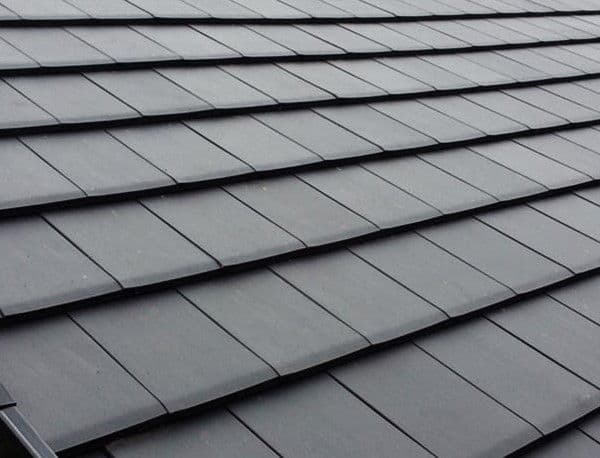
The type of roofing material also affects installation time. Some materials are quicker to install than others, while heavier or more specialised materials require extra care and handling.
Structural repairs
Sometimes problems beneath the old roof covering are discovered during installation. Damaged battens, weakened timbers, or worn underlay may need replacing before new materials can be fitted.
In these situations, additional roof repairs may be required before the installation can continue.
Weather conditions
Weather is one of the most common reasons installation times vary. Heavy rain or strong winds can delay work temporarily because roofing must be carried out safely.
Roofing work always needs dry conditions for certain stages, especially when installing membranes or fixing tiles.
What happens during roof installation?
Removing the old roof
The first stage involves removing the existing tiles or roof covering. This allows the structure beneath to be inspected and prepared.
Checking the roof structure
Once the old materials are removed, the battens and roof timbers are checked for signs of damage. Any worn or weakened sections are replaced before installation continues.
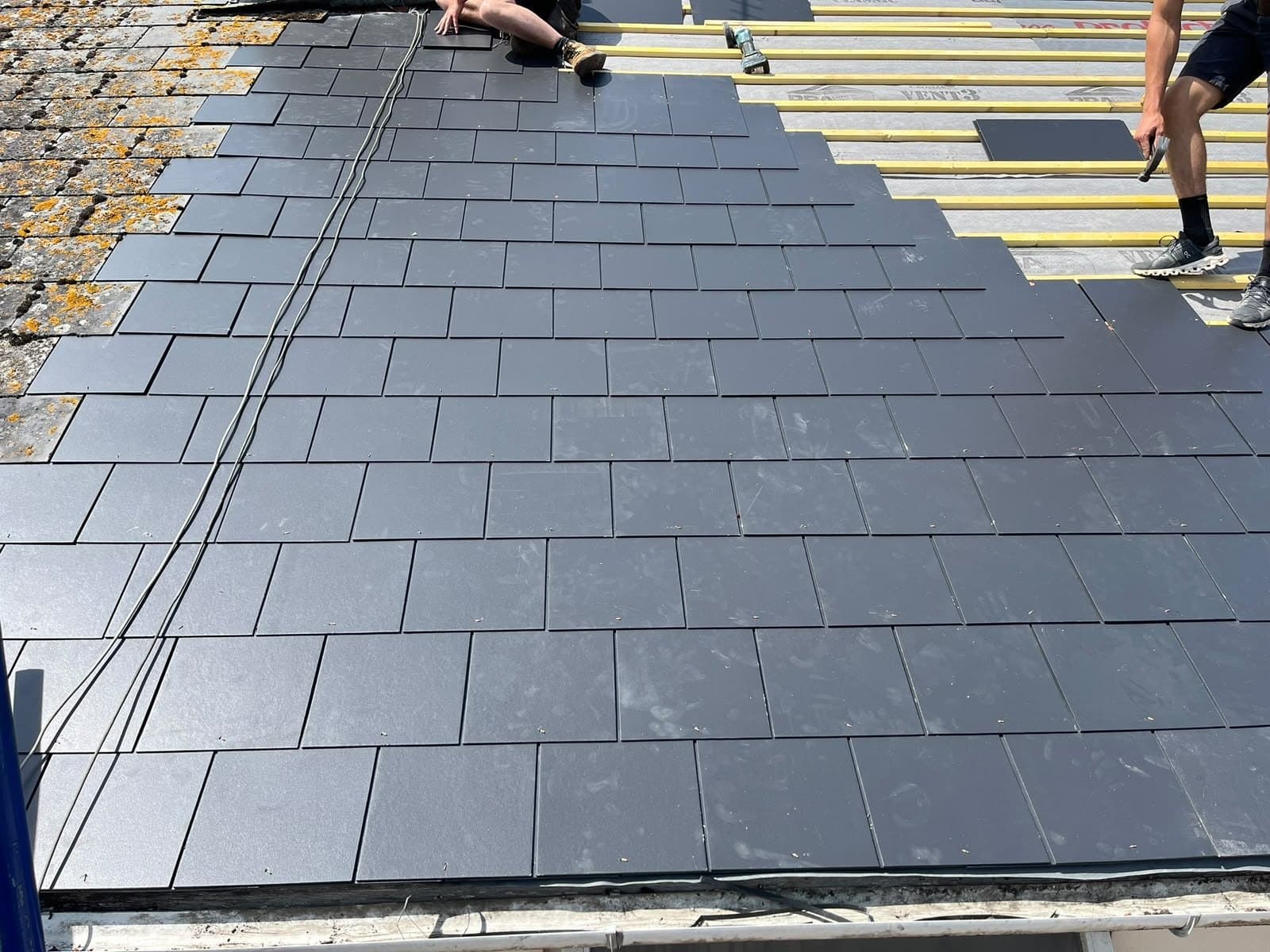
Installing the new underlay and battens
Modern roofing systems rely on protective underlay beneath the tiles. This layer improves weather resistance and ventilation. New battens are then fitted to support the tiles.
Fitting the new roof covering
Tiles or other roofing materials are installed carefully across the roof. Attention is given to edges, ridges, valleys, and chimney areas to ensure the roof is properly sealed.
Finishing roofline components
During installation, roofline components such as guttering, fascias, and soffits may also be inspected or replaced if needed.
These components help direct rainwater away from the property and protect the roof edges.
Planning permission and roof installations
Most roof replacements carried out like for like do not require approval. However, if the roof height or shape changes, permission may be required.
Homeowners can review planning permission rules in England and Wales for further information. The Planning Portal on roof work also provides guidance on permitted development.
Building regulations for roof installations
Roof installations must comply with GOV.UK building regulations. These rules ensure roofs meet standards for insulation, ventilation, and structural safety.
Compliance is overseen by Local Authority Building Control. In Kent, this process is managed through Kent County Council planning and building control.
Professional roofers handle these requirements to ensure work meets the correct standards.
Safety during roof installation
Roof installation involves working at height and handling heavy materials. All work must follow HSE working at height guidance to reduce risks and ensure safe working practices.
Using trained professionals ensures both the property and workers remain safe throughout the project.
Minimising disruption during installation
Many homeowners worry about disruption during roofing work. In reality, most roof installations are completed efficiently with minimal impact on daily life.
Professional teams organise materials, access equipment, and waste removal carefully to keep the process tidy and controlled.
Local experience also helps the work run smoothly. Homes across Kent vary in design, and understanding these differences makes installation faster and more efficient.
Homeowners throughout the county continue to trust Premier Roofing for reliable roofing services and clear communication during installation projects.
Weather windows on the Marsh
The honest local answer is that exposure affects the timetable as much as the size of the roof. A stripped roof at Romney cannot be left open the way a sheltered inland one can, so we work to shorter windows and sheet up sooner. It is one of the practical reasons a Marsh job is planned differently rather than just priced differently.
Conclusion
Understanding how long does roof installation take helps homeowners plan roofing work with confidence. While most installations are completed within a few days to a week, the exact timeframe depends on roof size, materials, weather, and structural condition. If you are considering a new roof or would like advice about installation timelines, simply contact us and we will be happy to help.