We explain the early signs of roof rot because this is one of the most damaging roofing problems homeowners can ignore. Roof rot often develops slowly and out of sight, which means many people only discover it once serious structural damage has already occurred. In our experience, catching roof rot early is one of the biggest factors in avoiding major roofing costs.
From working with clients across Kent, we’ve found that roof rot is most common in older properties where moisture has been entering the roof structure for a long time without being noticed. We’ve completed hundreds of roof inspections across Romney, Hythe, Ashford, and surrounding areas, and what actually tends to happen is a small leak or drainage issue quietly weakens timber over several years before visible signs finally appear.
What causes roof rot?
Roof rot develops when timber is exposed to ongoing moisture.
This moisture usually comes from:
- Roof leaks
- Poor ventilation
- Overflowing gutters
- Condensation in loft spaces
- Damaged flashing
Once timber stays damp for long periods, fungal decay begins to weaken the structure.
In our experience, poor ventilation combined with minor water ingress works worse than isolated leaks because trapped moisture allows rot to spread much faster through the roof space.
The earliest signs of roof rot
Damp or musty smells in the loft
One of the first warning signs is often a damp smell inside the loft space.
We’ve found many homeowners overlook this because there are no visible leaks yet. However, persistent moisture usually indicates a ventilation or roofing issue that could eventually lead to timber decay.
Discoloured timber
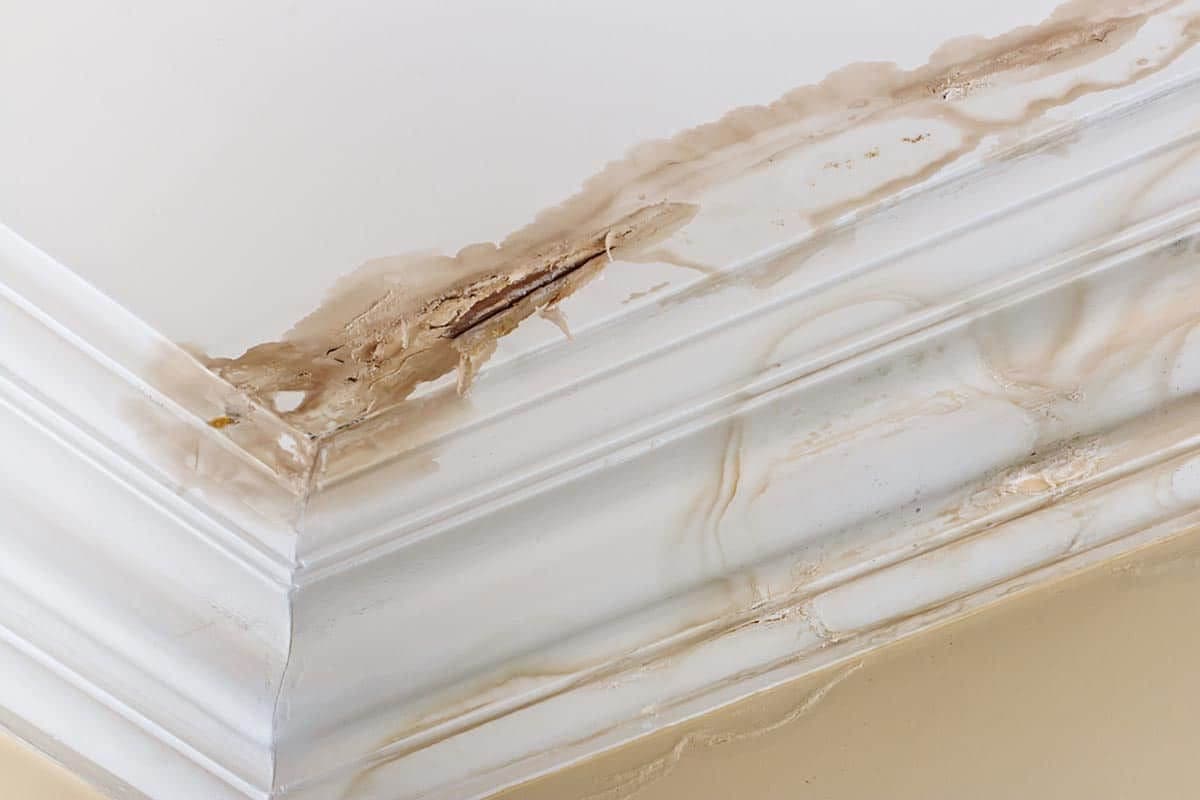
Dark staining or discolouration on roof timbers often suggests long term moisture exposure.
In practice, what we see quite often is staining appearing around chimney areas or roof edges where water enters slowly over time.
Soft or weakened wood
Timber affected by rot may feel soft or brittle when inspected professionally.
This is particularly common around roof edges and areas exposed to poor drainage.
Sagging roof sections
As rot worsens, the roof structure may begin to weaken visibly. Sagging or uneven rooflines should never be ignored.
By this stage, structural repairs are usually required.
How drainage problems contribute to roof rot
Poor drainage is one of the leading causes of roof rot in Kent properties.
Blocked or damaged guttering, fascias, and soffits allow water to overflow onto roof timbers and walls.
From working on older homes throughout Kent, we’ve found roof edge rot is extremely common where gutter maintenance has been neglected for several years.
In our experience, keeping drainage systems clear works better than repeatedly treating damp internally because it removes the source of the moisture problem.
Leaks and failed roof coverings
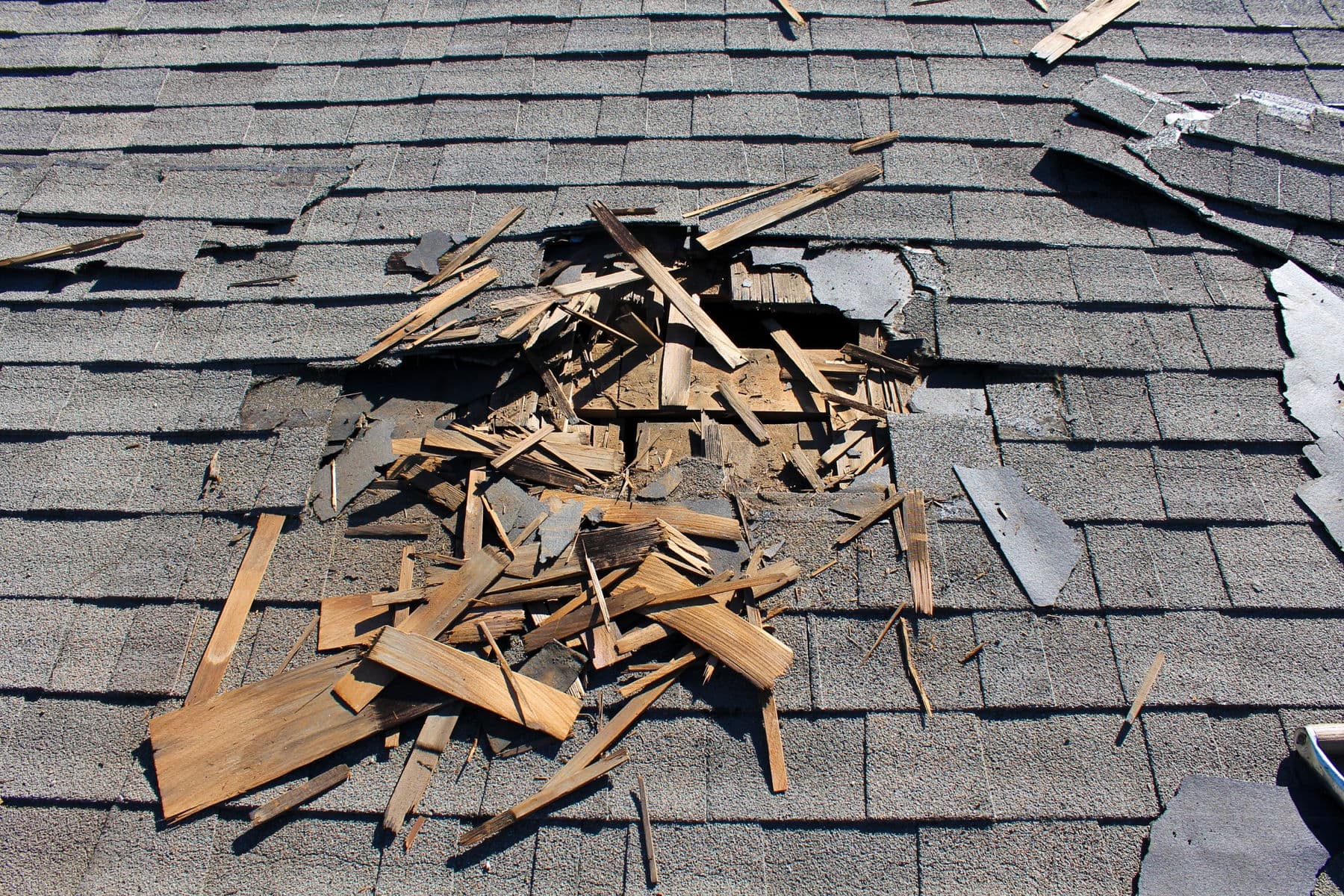
Damaged tiles or worn roofing materials often allow water into the structure long before homeowners realise.
Professional roof repairs carried out early can prevent rot from developing further.
We regularly find situations where replacing a few damaged tiles would have prevented extensive timber replacement later.
Chimneys and flashing are common weak points
Roof joints and chimney areas are especially vulnerable to water ingress.
Proper leadwork and flashing prevents water entering around these areas.
From our inspection work across Kent, failed flashing is one of the most common hidden causes of roof rot because water often travels behind walls and into the roof structure unnoticed.
Condensation and poor ventilation
Not all roof rot comes from direct leaks.
Poor loft ventilation can create condensation problems, particularly during winter.
Warm air from inside the property rises into the loft and condenses on cold roof surfaces. Over time, this repeated moisture exposure can weaken timber.
We’ve found that older roofs without proper ventilation are particularly vulnerable to this type of rot.
Why early inspections matter
The earlier roof rot is identified, the easier it is to fix.
Routine inspections help identify:
- Moisture build up
- Ventilation problems
- Minor leaks
- Drainage issues
- Early timber deterioration
From our own project records, homeowners who arrange regular inspections generally avoid the extensive structural repairs often required when rot is discovered late.
When repairs are no longer enough
If roof rot spreads through major structural timbers, partial repairs may not be sufficient.
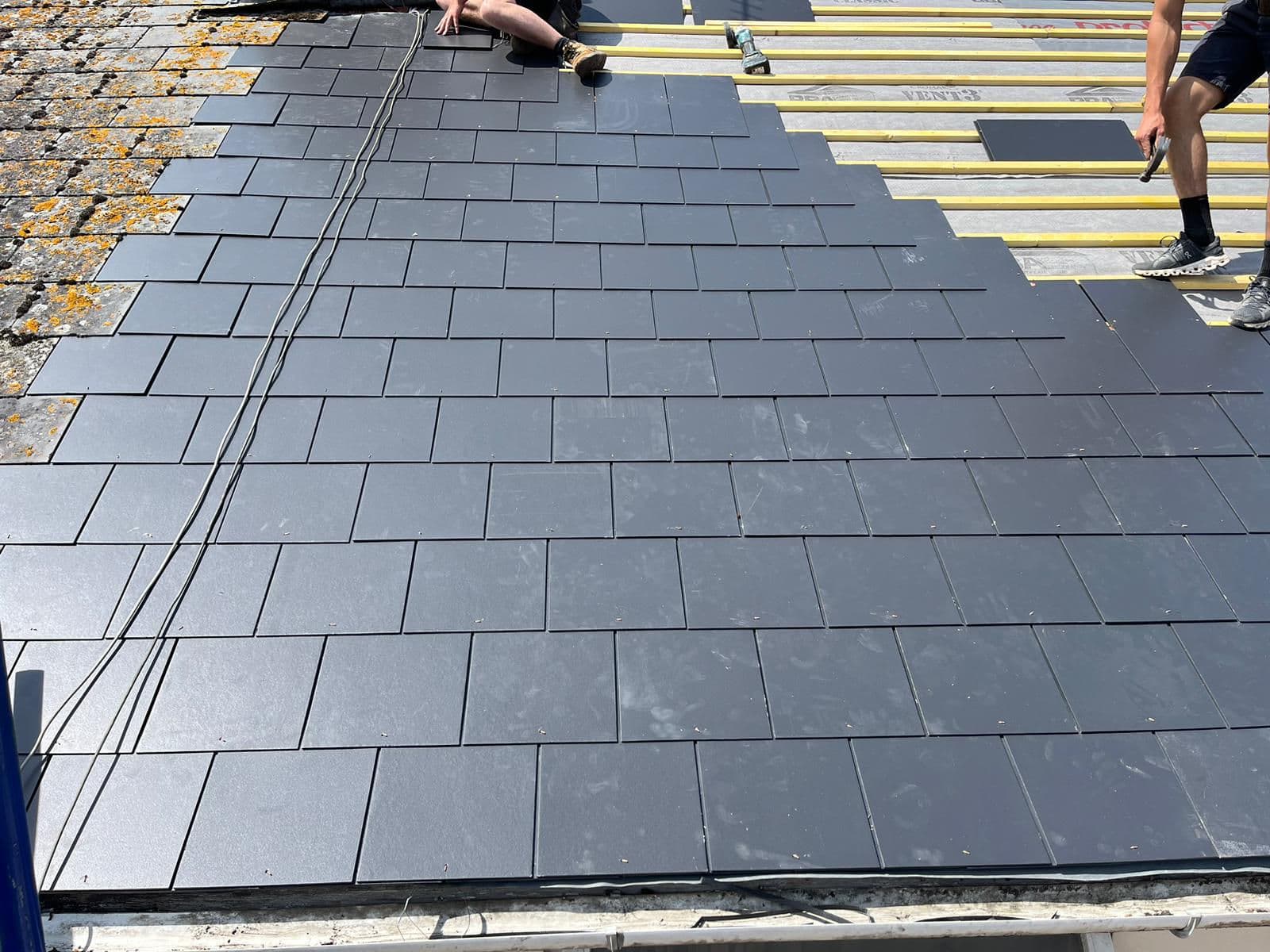
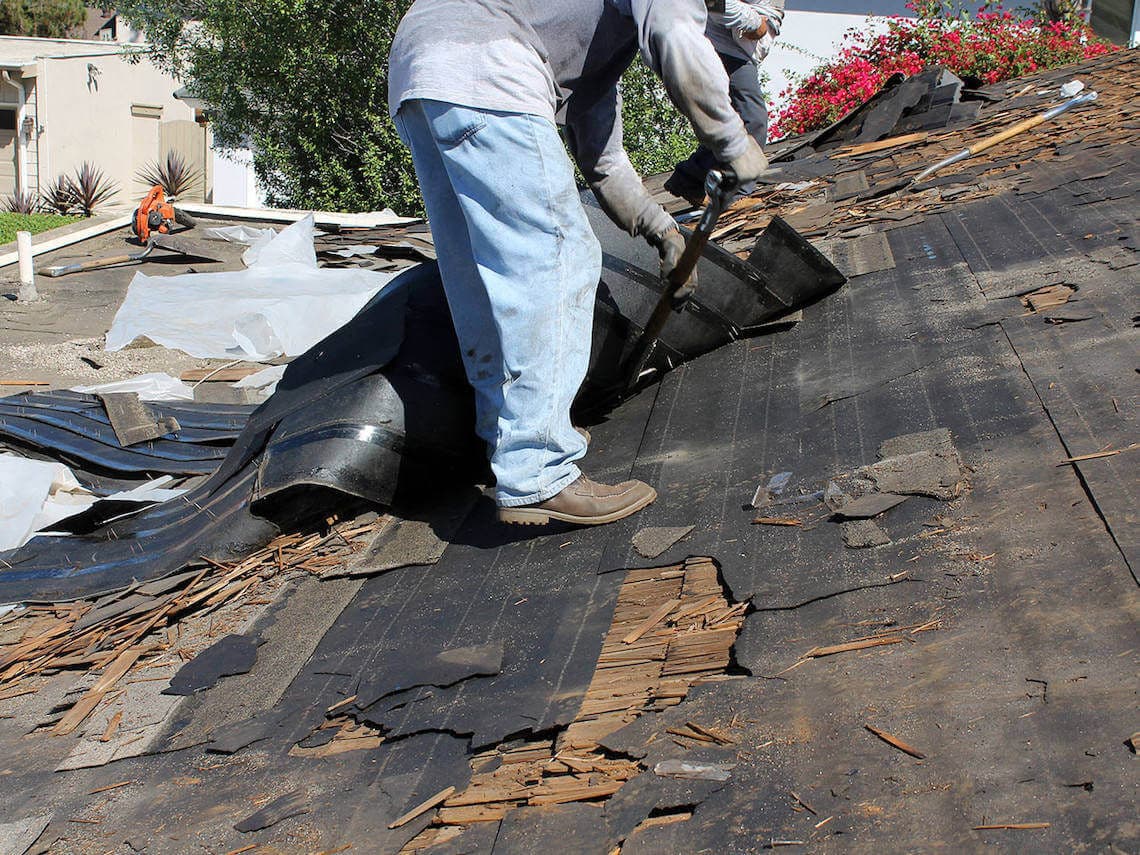
In these cases, full new roof installations may be required to safely replace damaged sections and renew the roofing system completely.
In our experience, replacing severely affected sections early works better than repeated patch repairs because it restores the long term integrity of the roof.
Planning permission and structural roofing work
Most roof repairs do not require approval, but structural alterations may require compliance with planning permission rules in England and Wales.
Further guidance is available through the Planning Portal on roof work.
Building regulations and roof structure repairs
Structural roof work must comply with GOV.UK building regulations.
This includes standards for:
- Structural stability
- Ventilation
- Insulation
- Fire safety
Compliance is overseen by Local Authority Building Control and Kent County Council.
Roofing safety matters
Roof inspections and structural repairs involve working at height and should always follow HSE working at height guidance.
In our experience, attempting DIY roof inspections often misses hidden structural damage and can create serious safety risks.
Why local roofing experience matters
Kent properties experience very different roofing conditions depending on location.
Coastal homes often face stronger wind-driven rain exposure, while inland properties regularly experience heavier moss growth and drainage problems.
Because we work across Kent daily, we understand how these local conditions contribute to roof rot over time.
This practical experience is why homeowners continue to trust Premier Roofing for honest inspections and reliable roofing solutions.
Conclusion
Understanding the early signs of roof rot helps homeowners prevent serious structural damage and costly repairs. In our experience, damp smells, discoloured timber, poor drainage, and hidden leaks are often the earliest warning signs. Acting early consistently provides the best outcome. If you suspect roof rot or would like a professional roof inspection, simply contact us and we will be happy to help.