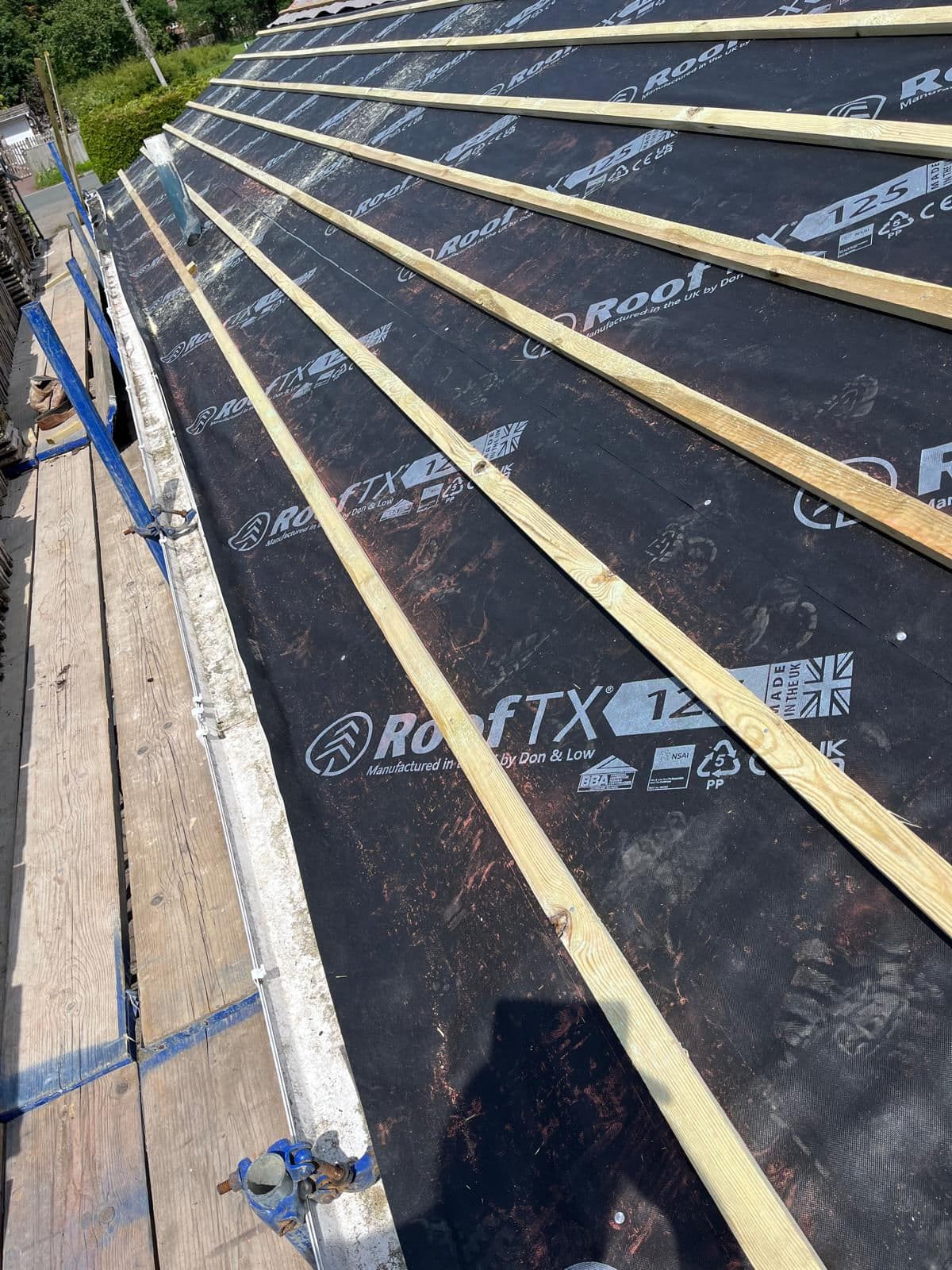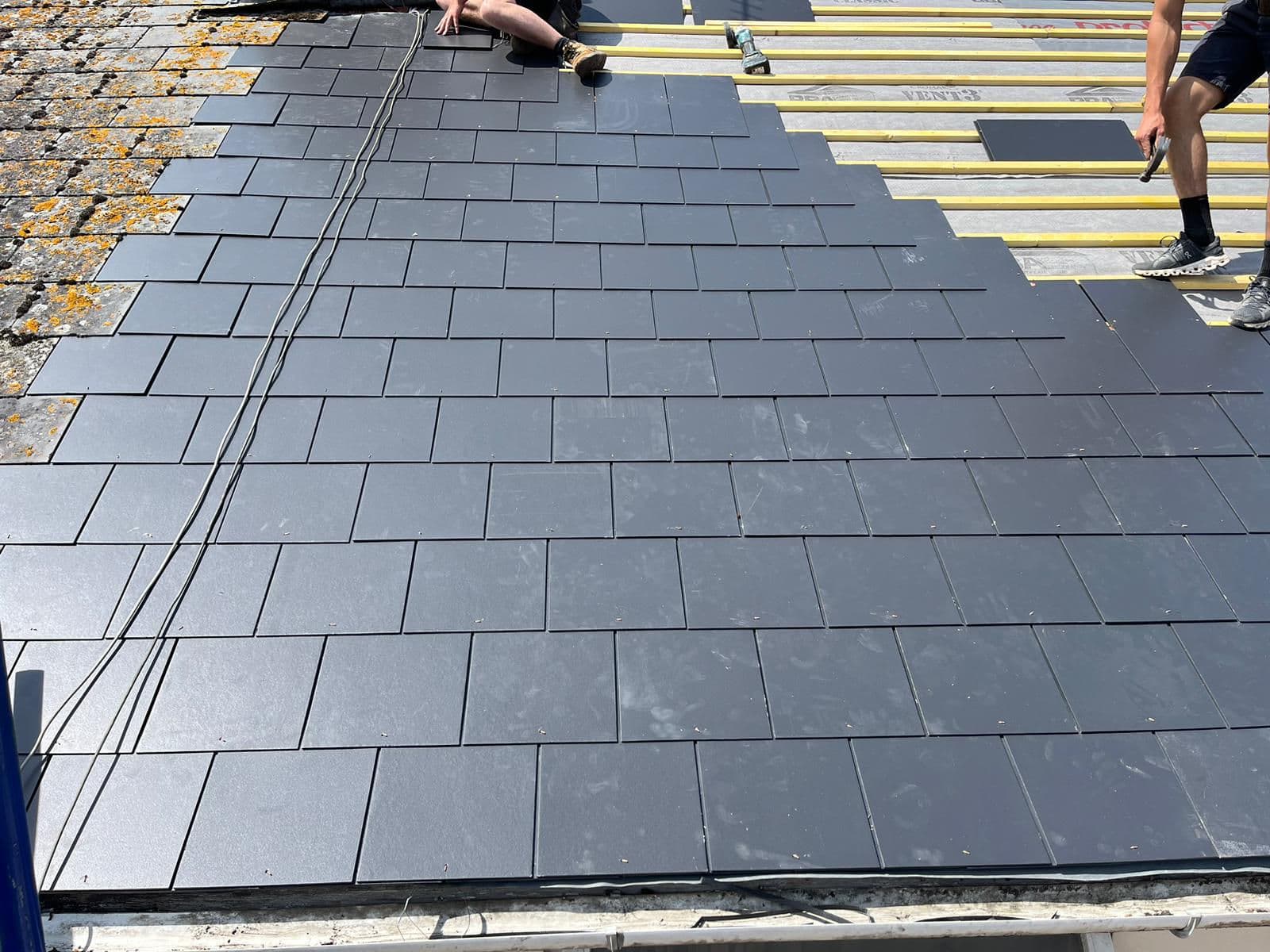
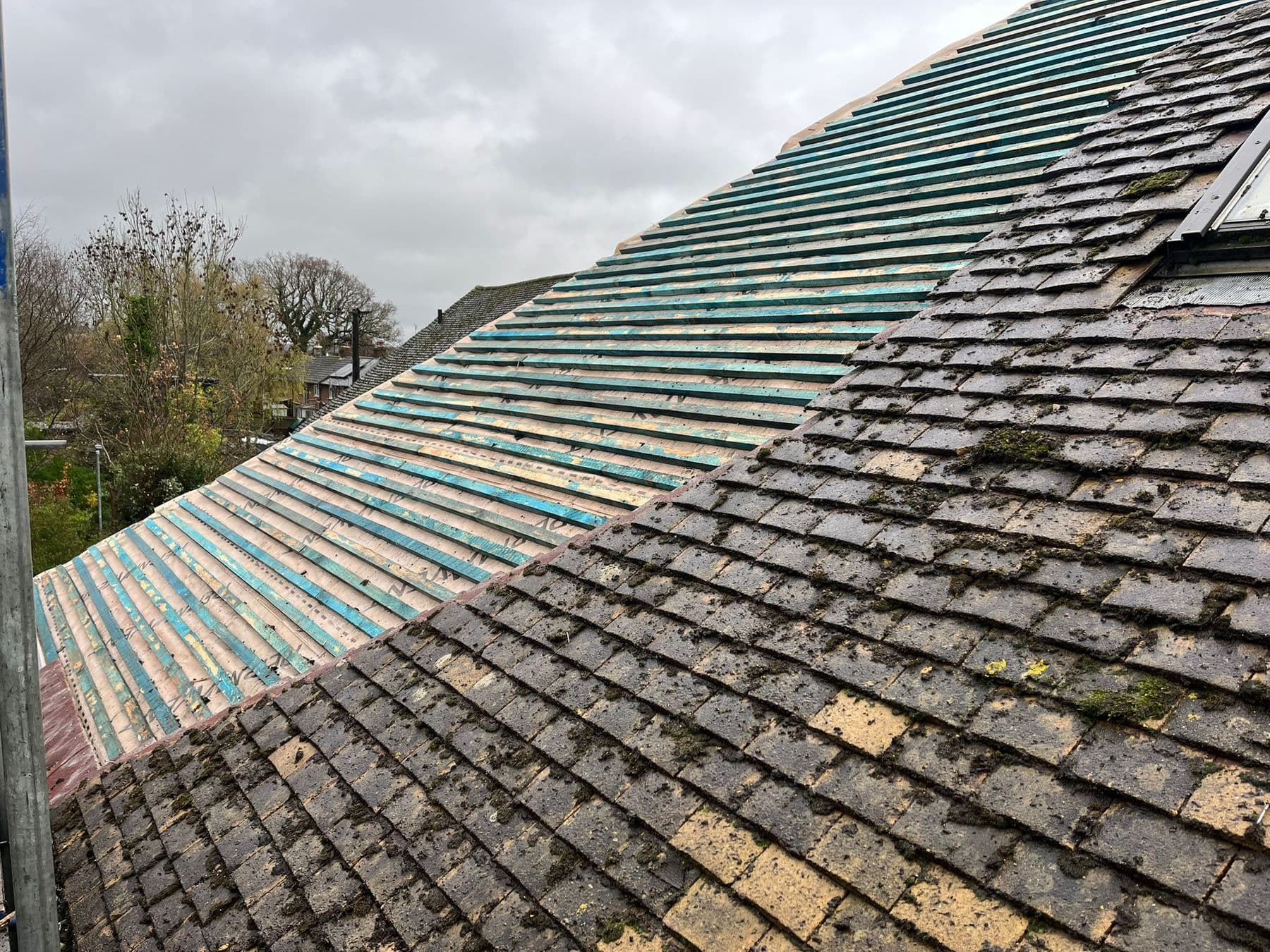
We explain how to maintain roof tiles and shingles because regular maintenance is one of the biggest factors in how long a roof lasts. Across Kent, we’ve worked on hundreds of roofs where small maintenance issues were ignored until they became major repairs. In our experience, roofs that receive regular inspections and basic upkeep often last 10 to 15 years longer than roofs that are only addressed once problems appear.
From working with clients across coastal and inland parts of Kent, we’ve found that weather exposure makes a huge difference to roof condition. Coastal homes near Romney and Hythe typically experience more wind-related tile movement, while inland properties often suffer from moss build-up and blocked drainage systems. In our experience, preventative maintenance works better than reactive repairs because it allows small issues to be corrected before moisture reaches the roof structure.
Why roof tile and shingle maintenance matters
Roof tiles and shingles form the main protective layer against rain, wind, and changing temperatures. Once they become damaged or loose, water can reach the underlay and structural timbers beneath.
What actually tends to happen is homeowners only notice a problem once water enters the loft or internal ceilings become stained. By then, the issue has often spread far beyond the original damaged tile.
Regular maintenance helps prevent:
- Leaks and damp
- Structural timber damage
- Moss-related deterioration
- Reduced insulation performance
- Expensive emergency repairs
Inspect your roof regularly
One of the simplest ways to maintain roof tiles and shingles is through regular visual inspections.
We recommend checking roofs:
- After storms
- Before winter
- During spring maintenance
- If you notice debris or loose materials on the ground
You do not need to climb onto the roof. In fact, we advise against it unless proper safety equipment is used.
From ground level, look for:
- Slipped or missing tiles
- Cracked shingles
- Uneven ridge lines
- Moss accumulation
- Overflowing gutters
We’ve found that homeowners who inspect their roofs twice yearly usually spot issues early enough to avoid larger repairs.
Keep gutters and drainage clear
Drainage problems are one of the biggest causes of roofing deterioration.
Maintaining guttering, fascias, and soffits ensures water drains properly from the roof.
Blocked gutters allow water to back up beneath roof edges, particularly during heavy rainfall. In our experience, blocked drainage systems are responsible for a large percentage of preventable roof leaks we see across Kent.
We regularly remove moss and debris from gutters where overflowing water has already begun affecting roof timbers.
Remove moss carefully
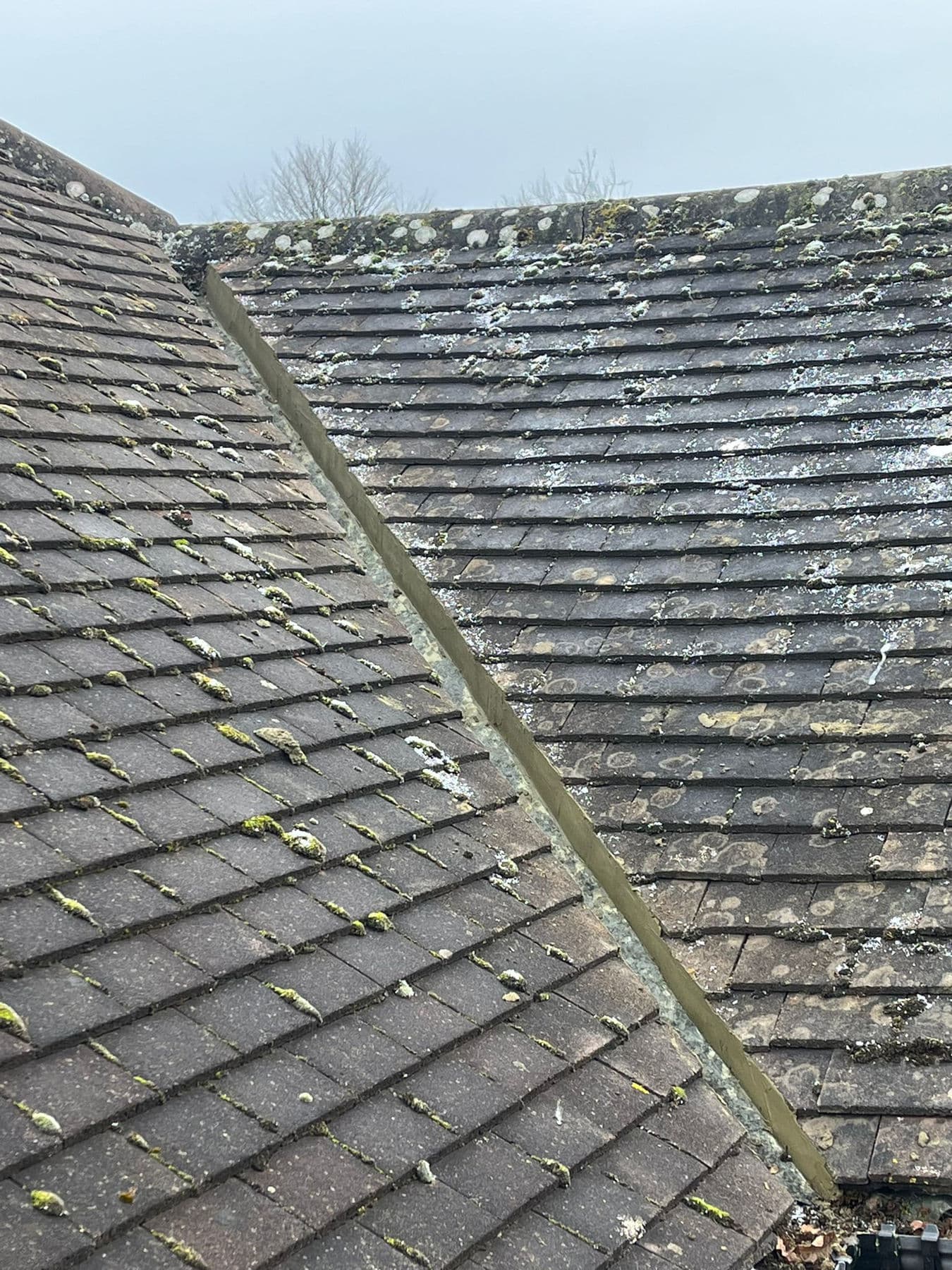
Moss is extremely common on roofs throughout Kent, especially on older north-facing properties.
While moss may seem harmless, it traps moisture against tiles and shingles. During colder weather, that moisture expands and contracts, gradually weakening the roofing material.
What actually tends to happen is moss lifts tile edges slightly over time, allowing wind and water underneath.
In our experience, controlled moss removal works better than aggressive pressure washing because harsh cleaning can damage tiles and shorten roof lifespan.
Check flashing and roof joints
Roof joints, valleys, and chimney areas are vulnerable points on any roof.
Proper leadwork and flashing prevents water entering around these sections.
From working on older Kent homes, we’ve found flashing deterioration is often mistaken for general tile failure. In reality, many persistent leaks begin around poorly maintained flashing rather than the roof covering itself.
Checking these areas regularly helps prevent hidden water ingress.
Replace damaged tiles quickly
Even one cracked or missing tile can allow water into the roof structure.
Professional roof repairs should be arranged as soon as damage is noticed.
In our experience, replacing isolated damaged tiles quickly works better than waiting for visible internal leaks because structural damage usually develops long before water becomes visible inside the home.
Over the last few years, we’ve completed numerous small repair jobs in Kent where early intervention prevented full roof replacement later.
Watch for signs inside the loft
Roof maintenance should include checking the loft space occasionally.
Look for:
- Damp insulation
- Water staining
- Mould smells
- Daylight through the roof
We’ve found many roofing problems are first identified inside the loft before becoming visible externally.
This is especially common during winter when condensation and small leaks become more noticeable.
Understand when repairs are no longer enough
Maintenance extends roof lifespan, but eventually all roofing systems wear out.
If tiles are deteriorating across large areas or repairs are becoming frequent, replacement may be more cost effective long term.
When needed, we carry out full new roof installations that include upgraded ventilation, modern underlay systems, and improved weather resistance.
Planning permission and maintenance work
Most routine maintenance and tile replacement does not require approval. However, major structural changes may require compliance with planning permission rules in England and Wales.
Additional guidance is available through the Planning Portal on roof work.
Building regulations and roofing standards
Larger roofing projects must comply with GOV.UK building regulations.
This includes standards for:
- Structural safety
- Ventilation
- Insulation
- Fire resistance
Compliance is managed through Local Authority Building Control and Kent County Council.
Roofing safety matters
Roof maintenance involves working at height and should always follow HSE working at height guidance.
In our experience, attempting DIY repairs without the correct equipment often causes more damage than the original issue itself.
Professional inspections are always the safer option.
Why local roofing experience matters
Kent roofs face very specific conditions depending on location.
Coastal properties experience stronger wind exposure, while inland homes often suffer heavier moss growth due to surrounding trees and moisture levels.
Because we work across Kent every week, we understand how these local conditions affect roof tiles and shingles over time.
This practical experience is why homeowners continue to rely on Premier Roofing for honest roofing advice and long term maintenance solutions.
Conclusion
Knowing how to maintain roof tiles and shingles helps protect your home from leaks, structural damage, and avoidable repair costs. In our experience, regular inspections and early repairs consistently provide the best long term results. If you would like your roof professionally checked or need advice about maintaining your roof, simply contact us and we will be happy to help.