We explain how to spot when a roof needs replacing based on what we see on jobs across Kent every week. Many homeowners are unsure whether their roof needs a full replacement or just a repair. The key is knowing the warning signs before the damage spreads.
In practice, what we see quite often is people waiting until a leak becomes obvious inside the home. By that stage, the issue has usually been developing for some time, and the roof structure may already be affected.
Knowing what to look for helps you act early and avoid more costly work.
The most common signs your roof needs replacing
Multiple leaks across the roof
One leak does not always mean replacement is needed. However, if leaks are appearing in different areas, it usually points to a wider problem.
What actually tends to happen is water finds its way through weakened sections across the roof, rather than just one isolated spot.
Tiles slipping or breaking
If you notice tiles slipping out of place or breaking frequently, this is a clear sign the roof is deteriorating.
In older roofs across Kent, we often find that the fixings holding tiles in place have weakened over time.
The underlay has failed
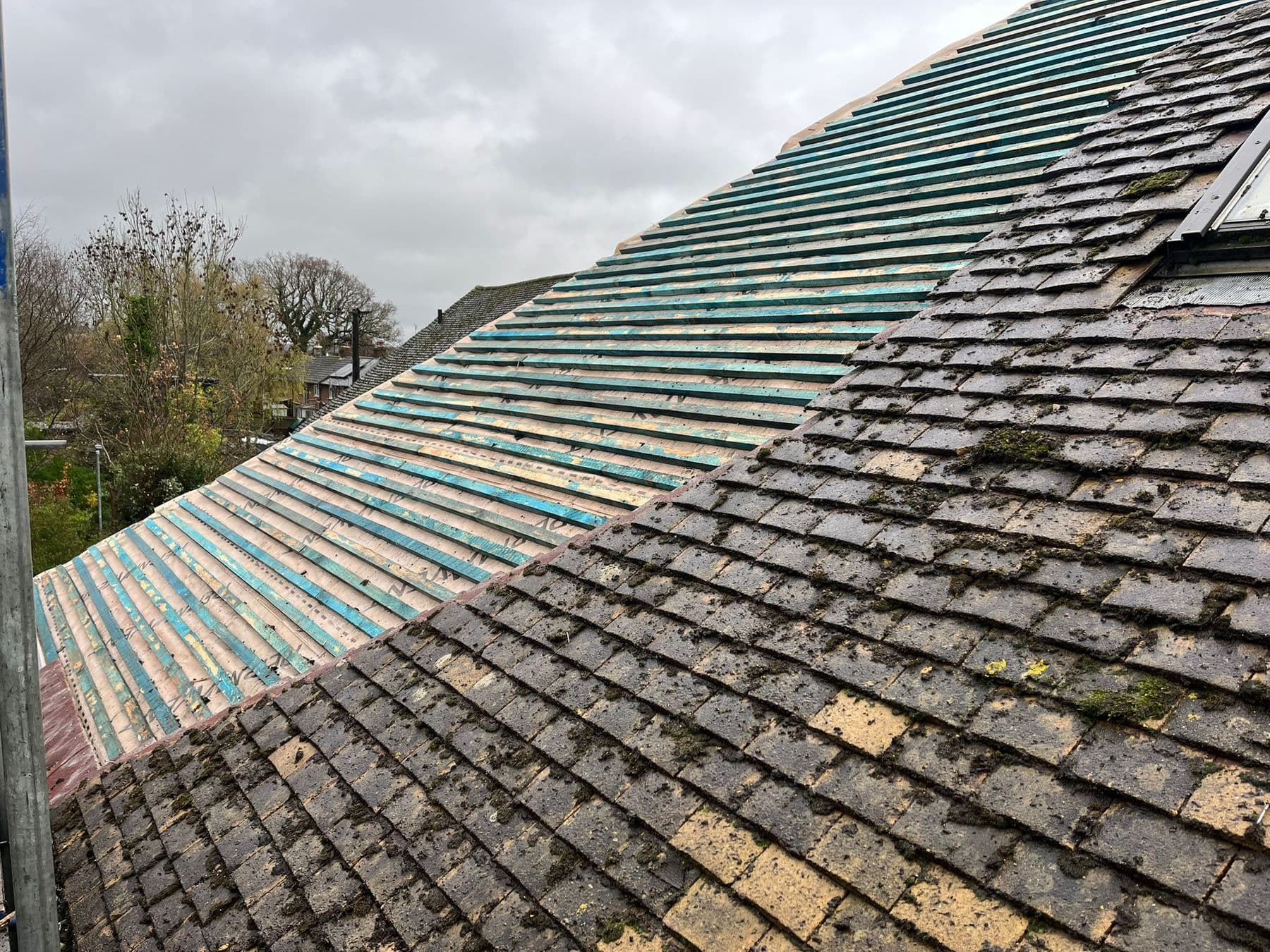
The underlay sits beneath the tiles and provides an extra layer of protection. Once this starts to fail, water can pass through even if the tiles still look intact.
This is something homeowners cannot usually see, but it becomes clear during inspections.
Visible sagging or uneven areas
A roof should sit evenly across the structure. If you notice sagging or dips, it may indicate structural issues beneath the surface.
This is not something that can be fixed with minor repairs and usually requires replacement.
When repairs are no longer enough
There comes a point where ongoing fixes stop being effective. If you are arranging frequent roof repairs, it is often a sign that the roof has reached the end of its lifespan.
A common situation we see is homeowners spending money on repeated repairs over several years. What actually tends to happen is those costs add up to more than a full replacement would have been.
At that stage, replacement becomes the more practical option.
What happens during a roof replacement
When a roof needs replacing, the process involves more than just changing the outer layer.
During new roof installations, we remove the existing materials, inspect the structure, and install new layers including membrane, battens, and tiles.
This ensures the entire roofing system is renewed rather than just covering up existing issues.
Roofline problems can be a warning sign
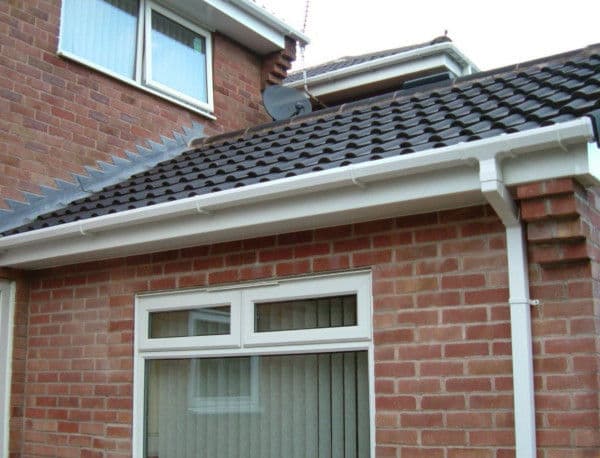
Issues with drainage can also indicate that a roof is failing. If you notice water overflowing or guttering pulling away from the property, it may be linked to underlying roof problems.
Maintaining guttering, fascias, and soffits helps protect the roof edges and prevent water damage.
When these components fail, it often places extra stress on the roof structure.
The role of flashing in roof condition
Areas around chimneys and joins are some of the most vulnerable parts of a roof. These rely on properly installed leadwork and flashing.
If flashing becomes loose or worn, water can enter the roof and cause damage beneath the surface.
In many cases, flashing problems are one of the early signs that a roof is starting to fail.
Age of the roof matters
Most roofs in the UK last between 20 and 50 years, depending on the materials used and how well they have been maintained.
If your roof is approaching this age range, it is worth having it inspected, even if there are no obvious problems.
In Kent, we often see older roofs that look fine from the ground but have underlying issues that require attention.
Planning permission for roof replacement
Most roof replacements do not require approval if the work is like for like. However, structural changes may require following planning permission rules in England and Wales.
The Planning Portal on roof work provides guidance on what is permitted.
Building regulations and compliance
Roof replacement must meet GOV.UK building regulations, particularly when insulation or structural elements are involved.
Compliance is overseen by Local Authority Building Control, with local authority services managed by Kent County Council.
Ensuring the work meets these standards protects the property long term.
Safety when inspecting your roof
Inspecting a roof involves working at height and should always follow HSE working at height guidance.
It is always safer to have a professional carry out an inspection rather than attempting to access the roof yourself.
Why local experience makes a difference
Roofing conditions in Kent vary depending on location. Coastal properties face strong winds, while inland homes often deal with moss and drainage issues.
Understanding these conditions helps ensure the correct advice is given.
Homeowners across the area continue to rely on Premier Roofing for honest assessments and reliable roofing work.
The same roof, two different answers
Whether a roof has reached the end depends on where it is standing. Nails, clips and fittings that would comfortably last decades in Ashford give up years earlier at Lydd. We have taken sound tiles off exposed roofs after nothing worse than a breezy week, purely because the fixings holding them had rusted through. The covering was fine. The roof still needed doing.
Conclusion
Knowing when a roof needs replacing helps you avoid ongoing problems and unnecessary costs. Signs such as multiple leaks, slipping tiles, and repeated repairs all indicate that replacement may be the best option. If you are unsure about the condition of your roof or would like a professional opinion, simply contact us and we will be happy to help.