We explain this to homeowners across Kent on a regular basis. Knowing how often to inspect your roof helps prevent small issues from turning into costly damage. Many roofing problems develop slowly and stay hidden until water starts affecting ceilings, walls, or insulation. Regular inspections help spot these problems early and keep your roof working as it should.
Why roof inspections are important
Your roof is exposed to the elements all year round. Rain, wind, temperature changes, and general wear all take their toll over time. Even a well built roof can develop weak points, especially around joints and drainage areas.
Inspecting your roof regularly allows problems to be fixed early, before they cause internal damage. It also helps extend the overall lifespan of the roof and reduces the risk of sudden leaks.
How often should you inspect your roof?
As a general rule, most homeowners should inspect their roof at least once every two to three years. However, some situations call for more frequent checks.
Older roofs, flat roofs, and properties in exposed areas often benefit from annual inspections. Homes near the coast or surrounded by trees may also need more regular checks due to wind and debris.
In addition, it is always sensible to inspect your roof after severe weather, especially following strong winds or heavy rain.
What can shorten the time between inspections?
Age of the roof
As a roof gets older, materials naturally wear down. Tiles may become brittle, seals can fail, and joints loosen. Older roofs are more likely to develop issues that need monitoring, making regular inspections more important.
Roof type
Flat roofs usually need inspecting more often than pitched roofs. Drainage outlets can block, and surface wear may not be visible from the ground. Pitched roofs shed water more easily, but they still develop problems over time.
Location and surroundings
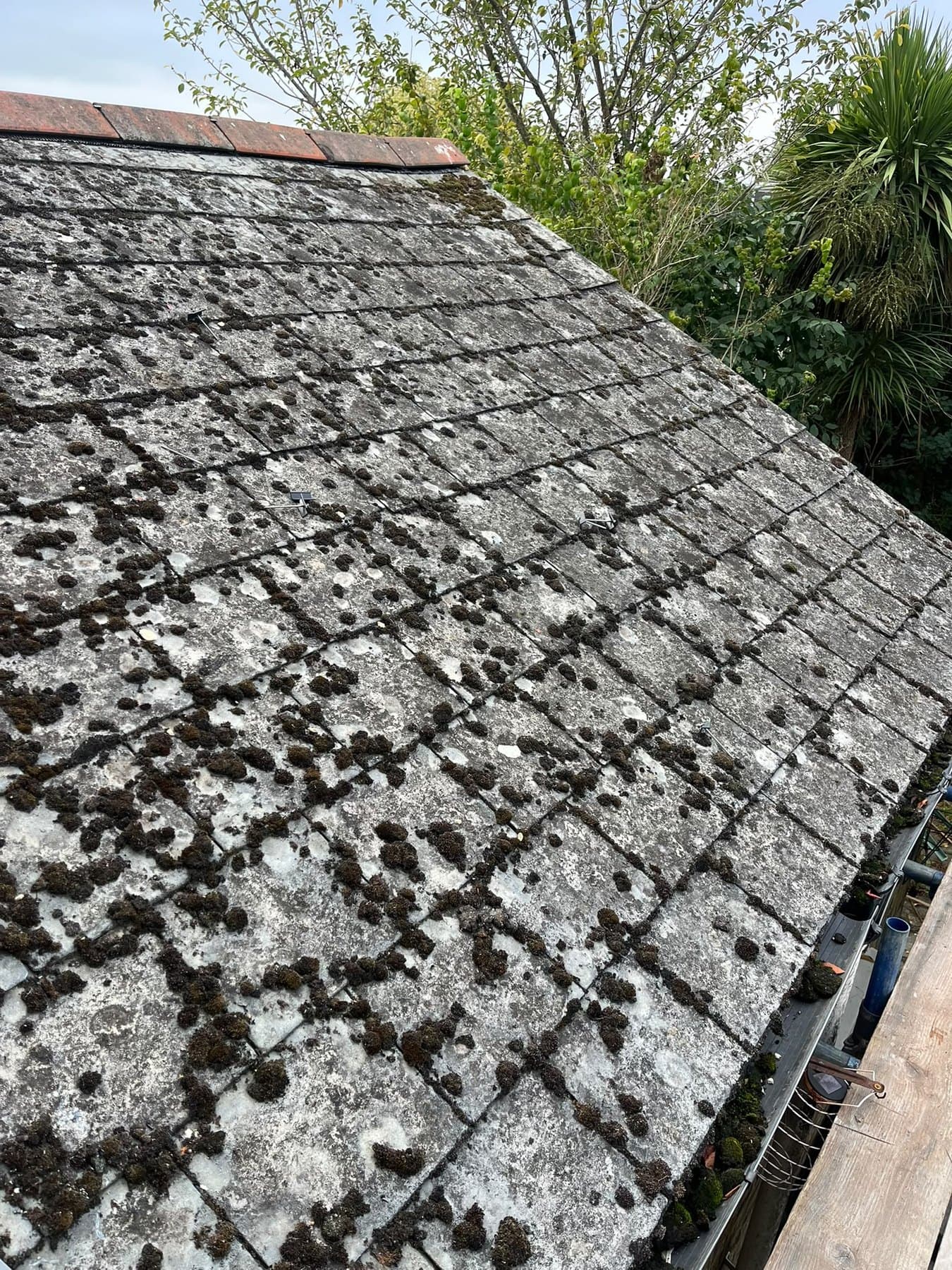
Kent properties vary widely. Coastal homes deal with strong winds and salt air, while inland properties often face moss growth and blocked gutters from nearby trees. These factors influence how often inspections are needed.
What a roof inspection involves
A proper roof inspection looks at more than just tiles.
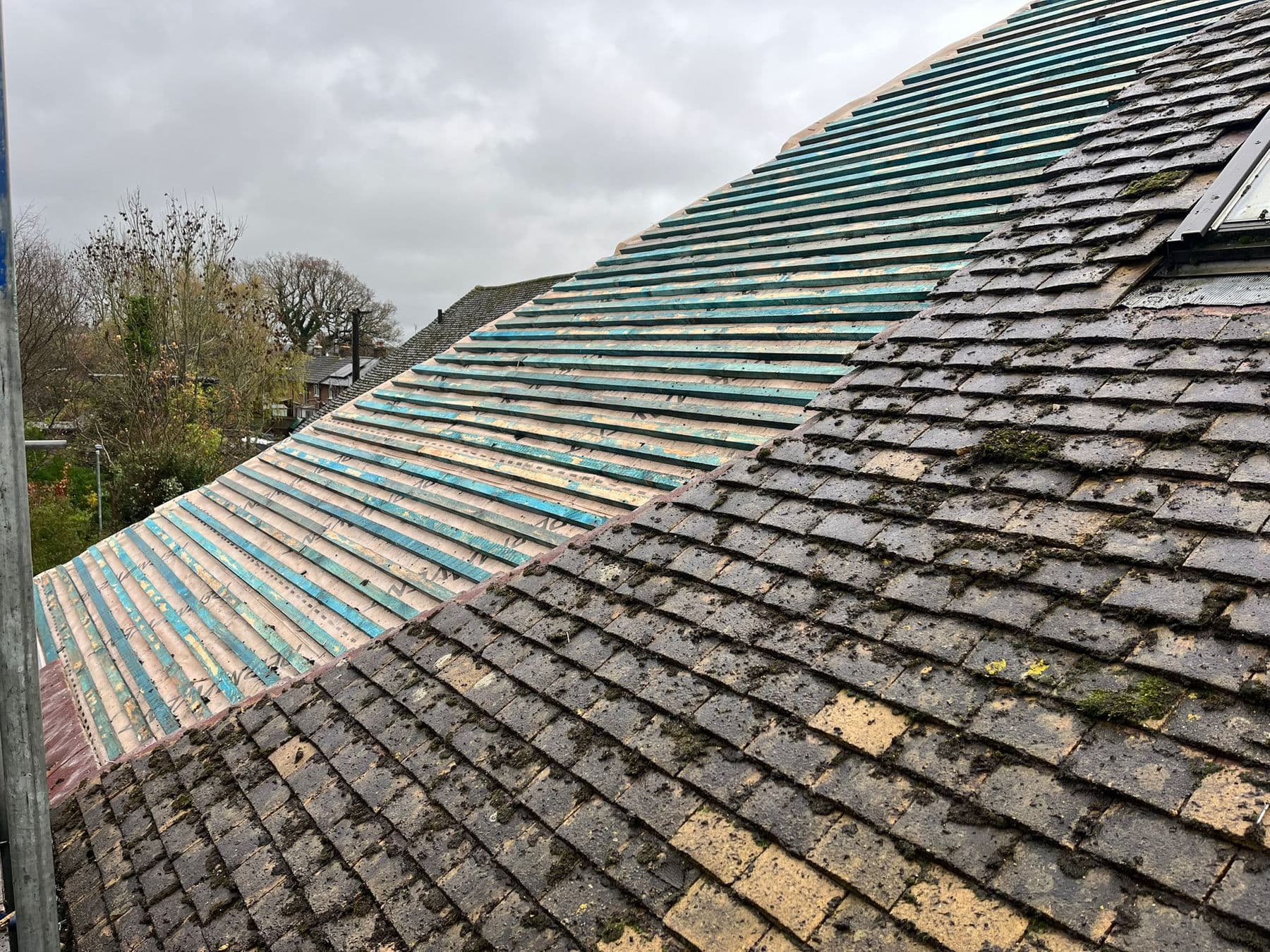
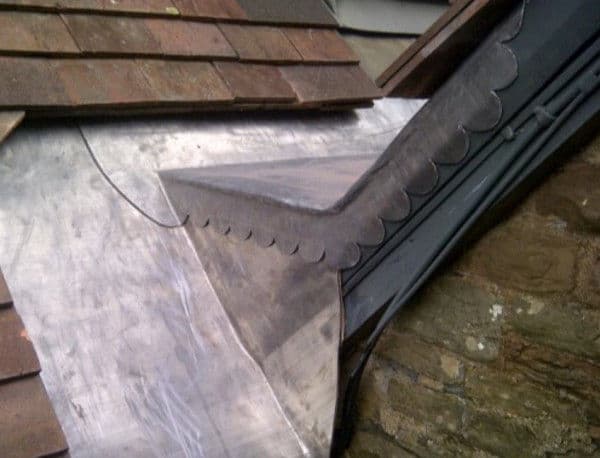
We check the condition of tiles or coverings, ridges, and valleys. We also inspect chimneys, joints, and drainage points. Areas such as leadwork and flashing are carefully assessed, as these are common sources of leaks.
Roofline components are also important. Damaged or blocked guttering, fascias, and soffits can force water back toward the roof, increasing the risk of damp and rot.
Inside the loft, we look for damp insulation, water staining, mould growth, and signs of daylight showing through the roof covering.
Signs you should inspect your roof sooner
Some warning signs mean a roof inspection should not be delayed.
Common signs include missing or cracked tiles, water stains on ceilings, damp patches on upstairs walls, sagging rooflines, or moss build up. Inside the loft, a musty smell or damp timbers often indicate moisture problems.
If any of these signs appear, inspecting the roof sooner can prevent further damage.
Can regular inspections reduce repair costs?
Yes, very often. Catching problems early usually keeps repairs smaller and more affordable. A slipped tile or minor seal failure is far easier to fix than widespread water damage.
Timely roof repairs can extend the life of a roof by many years when issues are dealt with promptly.
When inspections reveal bigger problems
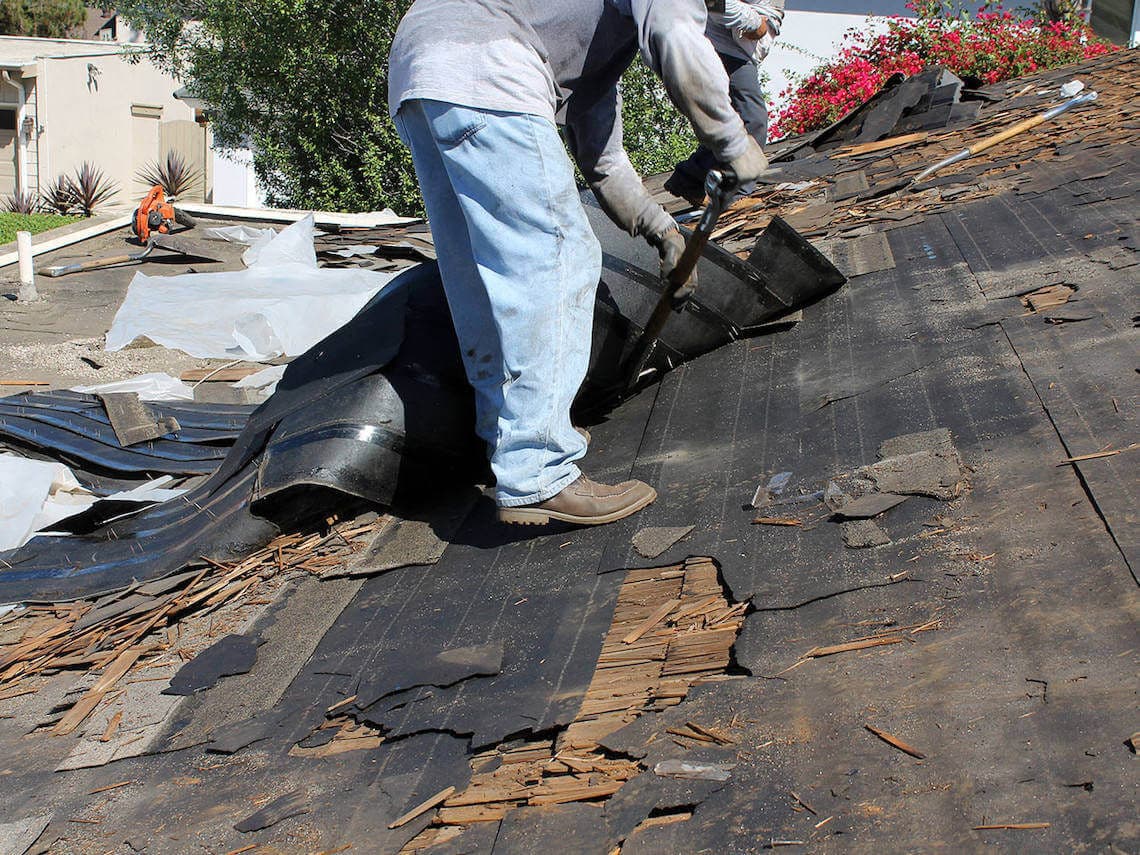
Sometimes inspections show that repairs alone may not be enough. If damage is widespread or materials are nearing the end of their lifespan, ongoing repairs may not be cost effective.
In these cases, we explain all options clearly, including new roof installations, so homeowners can make informed decisions based on long term value, not short term fixes.
Safety and roof inspections
Roof inspections should always be carried out safely. Working at height carries risks, and proper access and equipment are essential. All inspections and repairs should follow HSE working at height guidance.
Attempting to inspect a roof without the right training or equipment can be dangerous and may cause further damage.
Planning permission and inspections
Most inspections and maintenance work do not require approval. However, if an inspection leads to structural changes or major alterations, planning rules may apply.
Homeowners should be aware of planning permission rules in England and Wales. Guidance from the Planning Portal on roof work helps explain what is allowed under permitted development.
Building regulations and compliance
If inspection results lead to structural repairs or roof replacement, work must comply with GOV.UK building regulations. These regulations cover safety, insulation, ventilation, and weather resistance.
Compliance is overseen by Local Authority Building Control. In Kent, this is handled through Kent County Council planning and building control. Any reputable roofer will ensure the correct process is followed.
Why local knowledge matters during inspections
Local experience helps identify common roofing issues quickly. Roofs in Kent face different challenges depending on location, age, and exposure. Understanding these factors helps ensure inspections focus on the most likely problem areas.
This local knowledge allows for more accurate assessments and practical advice.
Homeowners across the county continue to trust Premier Roofing and Building Kent Ltd for honest inspections and reliable roofing work.
How inspections help with long term planning
Regular inspections help homeowners plan ahead. Knowing the condition of your roof allows you to budget for repairs or replacement before problems become urgent.
This avoids emergency situations, unexpected costs, and unnecessary stress.
Timing an inspection around here
Exposure should set the interval rather than the calendar. A sheltered inland roof is fine on a yearly look. Anything exposed at Lydd or Dymchurch is worth checking after the winter storms as well, because that is when the ridge, the verges and the eaves take the worst of it and when a small movement becomes an opening.
Conclusion
Knowing how often to inspect your roof is an important part of protecting your home. Regular inspections help catch problems early, extend roof lifespan, and reduce repair costs. If you would like your roof checked or need advice on inspection schedules, simply contact us and we will be happy to help.