We explain the average cost of roof replacement UK based on real work we carry out across Kent. This is one of the most common questions homeowners ask, and the honest answer is that costs can vary quite a lot depending on the property, materials, and condition of the existing roof.
However, there are clear price ranges and factors that help you understand what to expect before starting a project.
Average roof replacement costs in the UK
For a typical UK home, roof replacement costs usually fall within these ranges:
- Small roof (terraced house): £4,000 to £6,000
- Medium roof (semi detached): £5,500 to £8,500
- Large roof (detached house): £8,000 to £15,000+
These figures include labour, materials, and standard installation. More complex roofs or higher end materials will increase the price.
In practice, what we see across Kent is that most homeowners fall somewhere in the middle range, but unexpected issues can push costs higher once work begins.
What affects the cost of roof replacement?
Roof size and complexity
Larger roofs require more materials and labour. Complex roof shapes, multiple ridges, or difficult access can also increase costs.
Steeper roofs take longer to work on and require additional safety measures.
Type of roofing material
Material choice has a major impact on price. Concrete tiles are usually more affordable, while clay tiles and slate cost more but tend to last longer.
Choosing the right material depends on your budget and how long you want the roof to last.
Condition of the existing roof
One of the biggest cost factors is what is found once the old roof is removed.
A common situation we see is damaged battens or worn underlay that cannot be reused. In some older Kent properties, parts of the structure may also need reinforcing.
What actually tends to happen is homeowners budget for a simple replacement, but hidden issues increase the final cost.
What is included in a full roof replacement?
A proper roof replacement is more than just changing tiles. When we carry out new roof installations, the process usually includes:
- Removing old tiles and materials
- Inspecting the roof structure
- Replacing battens and underlay
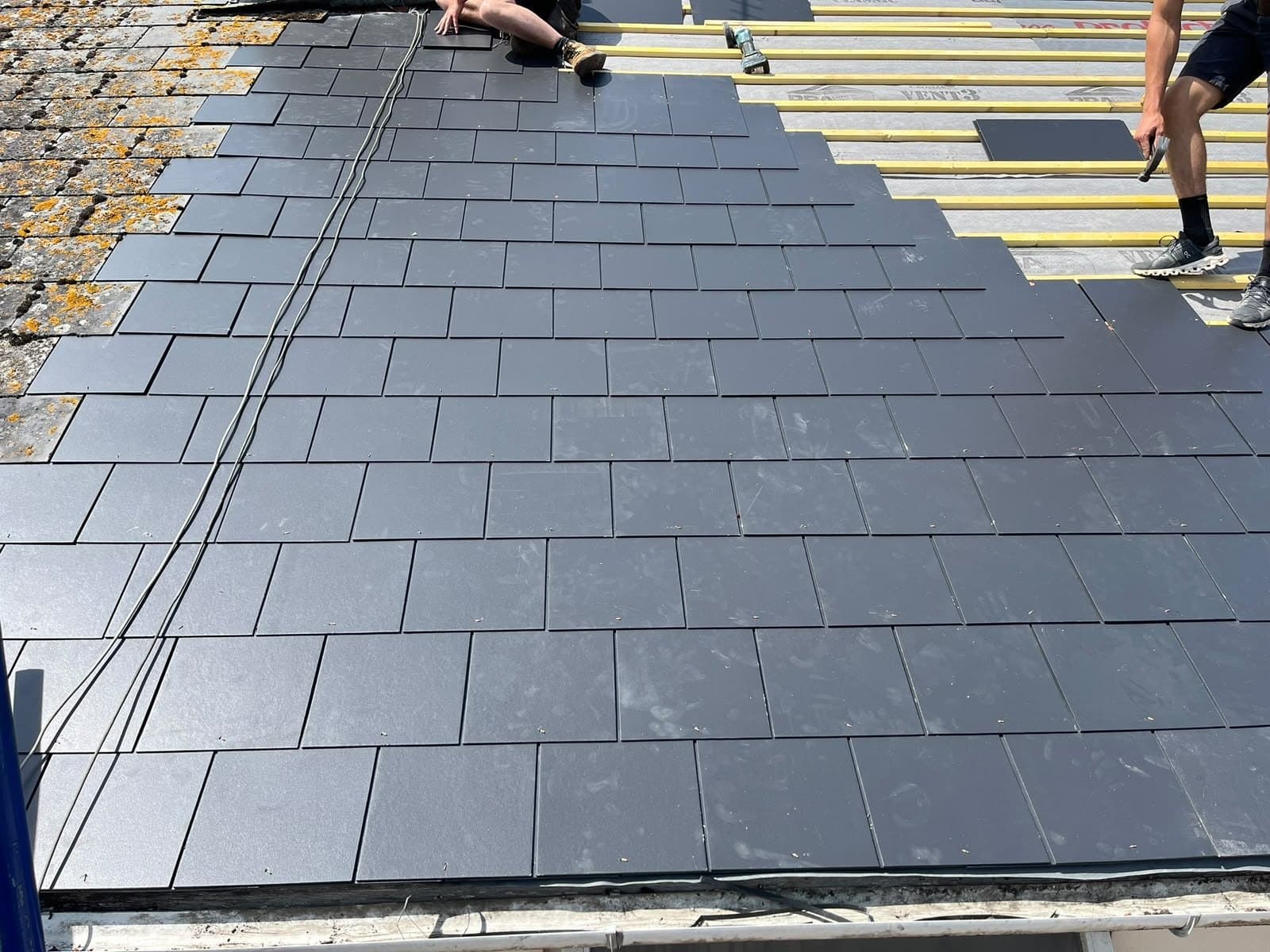
- Installing new tiles or covering
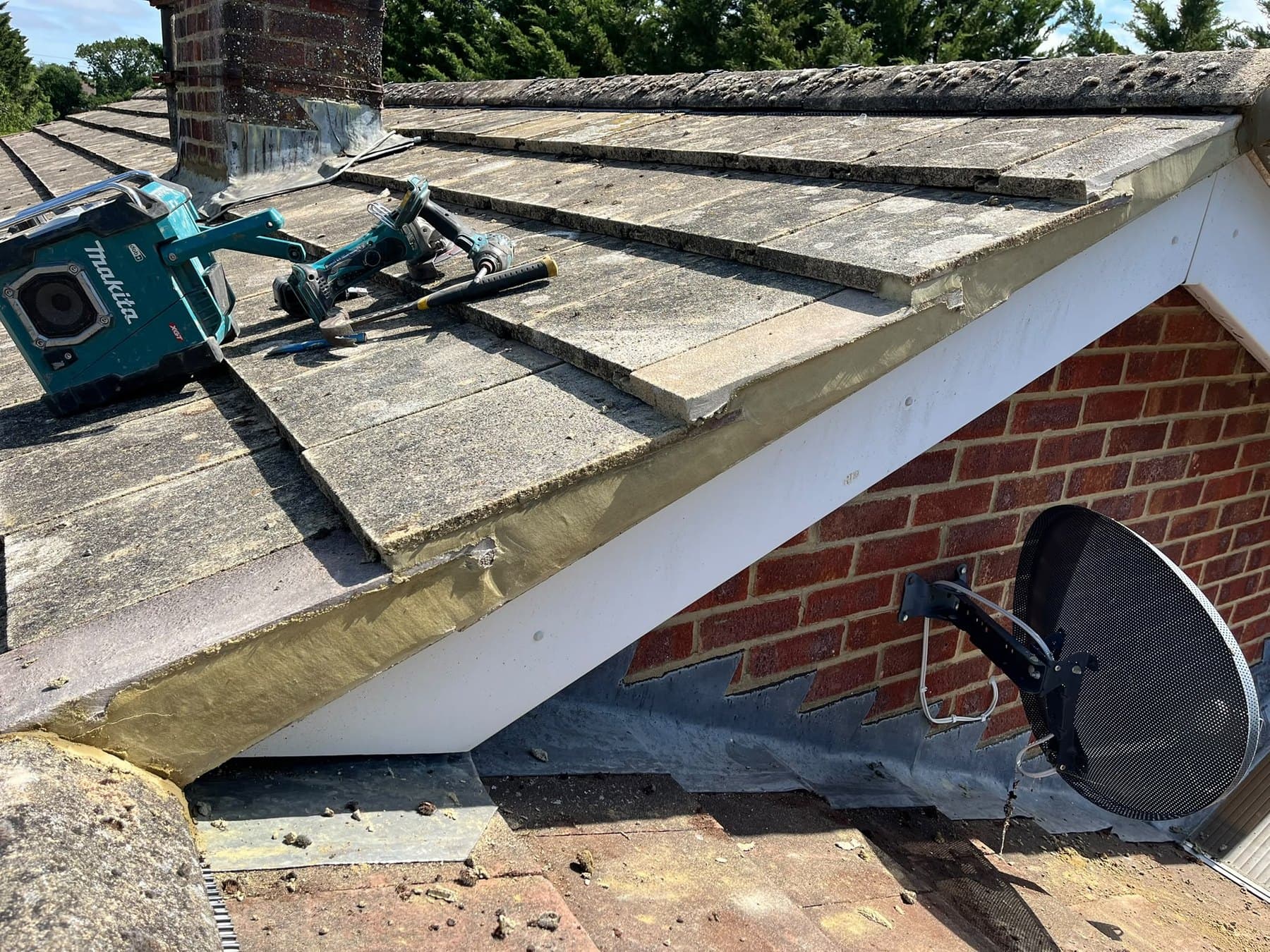
- Finishing ridges and edges
This ensures the roof performs properly long term.
Additional costs to consider
Scaffolding
Most roof replacements require scaffolding, especially for safety and access. This is often included in quotes but can vary depending on the property.
Waste removal
Old roofing materials must be removed and disposed of correctly. This is another cost that is usually included but should always be confirmed.
Roofline upgrades
During replacement, it is often recommended to inspect guttering, fascias, and soffits. If these are worn, replacing them at the same time can prevent future problems.
Flashing and detailing
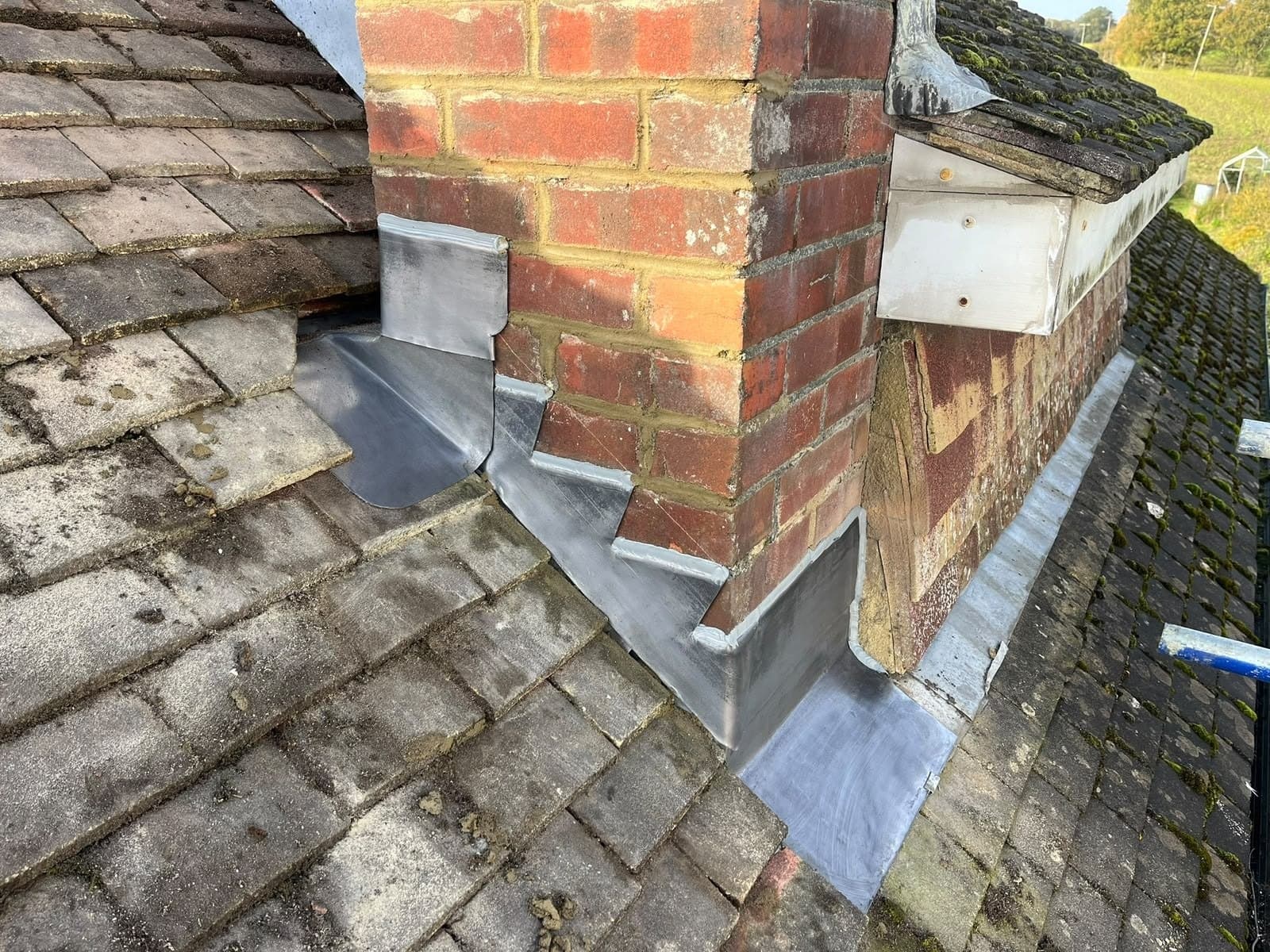
Areas around chimneys and roof joins rely on proper leadwork and flashing. Replacing or repairing these parts may add to the cost but is essential for preventing leaks.
When repairs may be a better option
Not every roof needs replacing. If the damage is limited, targeted roof repairs can often extend the life of the roof.
However, if problems are widespread or recurring, replacement is usually more cost effective in the long run.
One thing we see regularly is homeowners spending money on repeated repairs when a new roof would have solved the issue completely.
Planning permission and roof replacement
Most roof replacements do not require approval if the work is like for like. However, changes to the structure or height may require following planning permission rules in England and Wales.
The Planning Portal on roof work provides useful guidance on what is allowed.
Building regulations and insulation
Roof replacement work must comply with GOV.UK building regulations, particularly when insulation is upgraded.
Compliance is overseen by Local Authority Building Control, with local authority services managed by Kent County Council.
Upgrading insulation during replacement can increase upfront costs but improves energy efficiency and reduces heating bills.
Safety and professional installation
Roof replacement involves working at height and handling heavy materials. All work must follow HSE working at height guidance.
Cutting corners on safety often leads to poor workmanship and additional costs later.
Why local experience matters
Roofing in Kent comes with its own challenges. Coastal areas deal with stronger winds, while inland properties often face moss and drainage issues.
Local experience helps ensure the right materials and installation methods are used for each property.
Homeowners across the county continue to rely on Premier Roofing for clear advice and reliable roofing work.
What moves the price locally
Two quotes for the same roof can describe completely different work, and around here exposure is usually why. A sheltered Ashford roof does not need the coastal specification we quote on the Marsh, so the honest answer is that the same house costs differently depending which end of our patch it sits on. Ours is itemised in writing either way, so you can see which you are being quoted.
Conclusion
Understanding the average cost of roof replacement UK helps you plan realistically and avoid unexpected expenses. Costs vary depending on size, materials, and the condition of the existing roof, but knowing what to expect makes the process far smoother. If you are considering replacing your roof and would like an accurate quote based on your property, simply contact us and we will be happy to help.