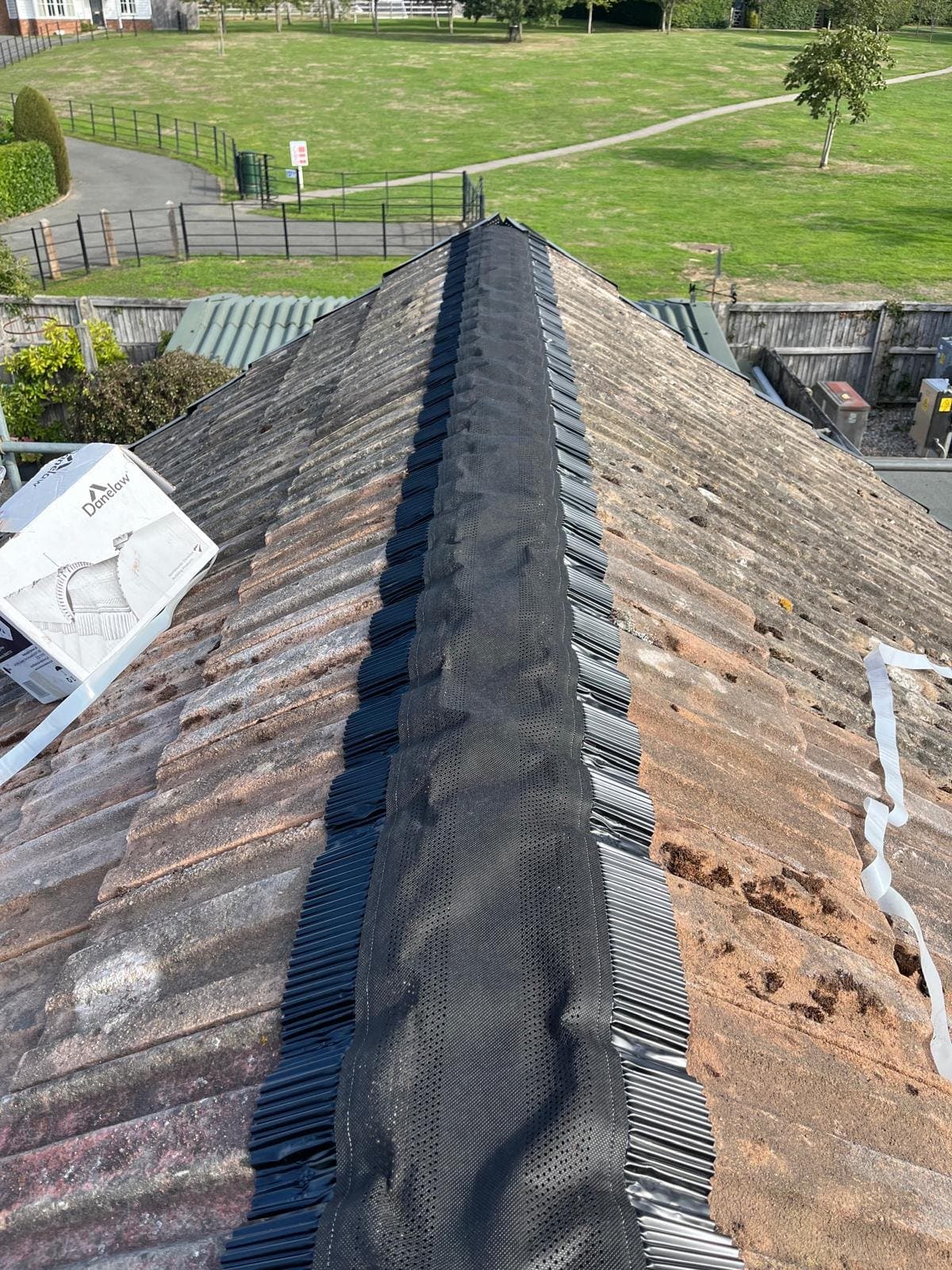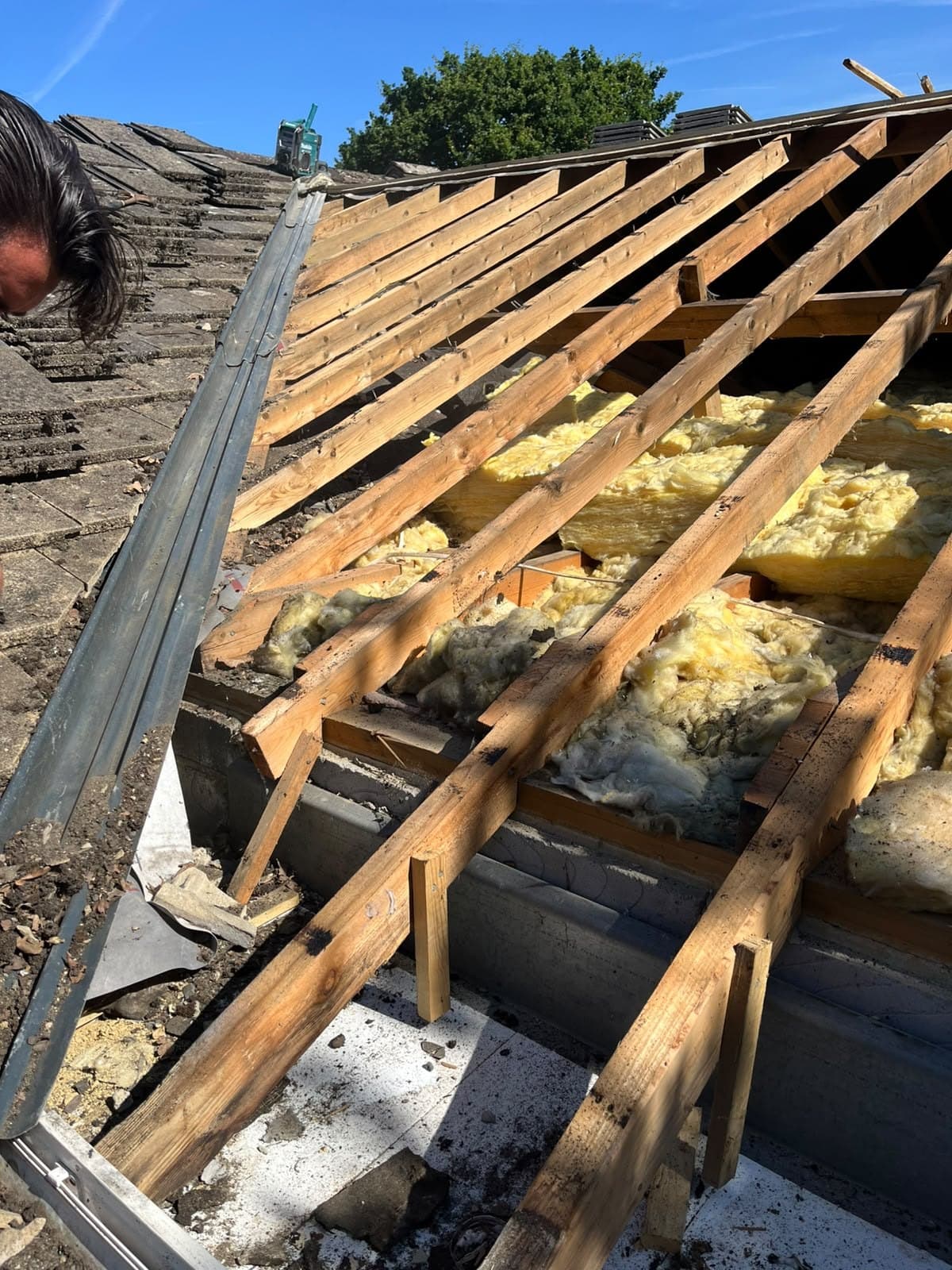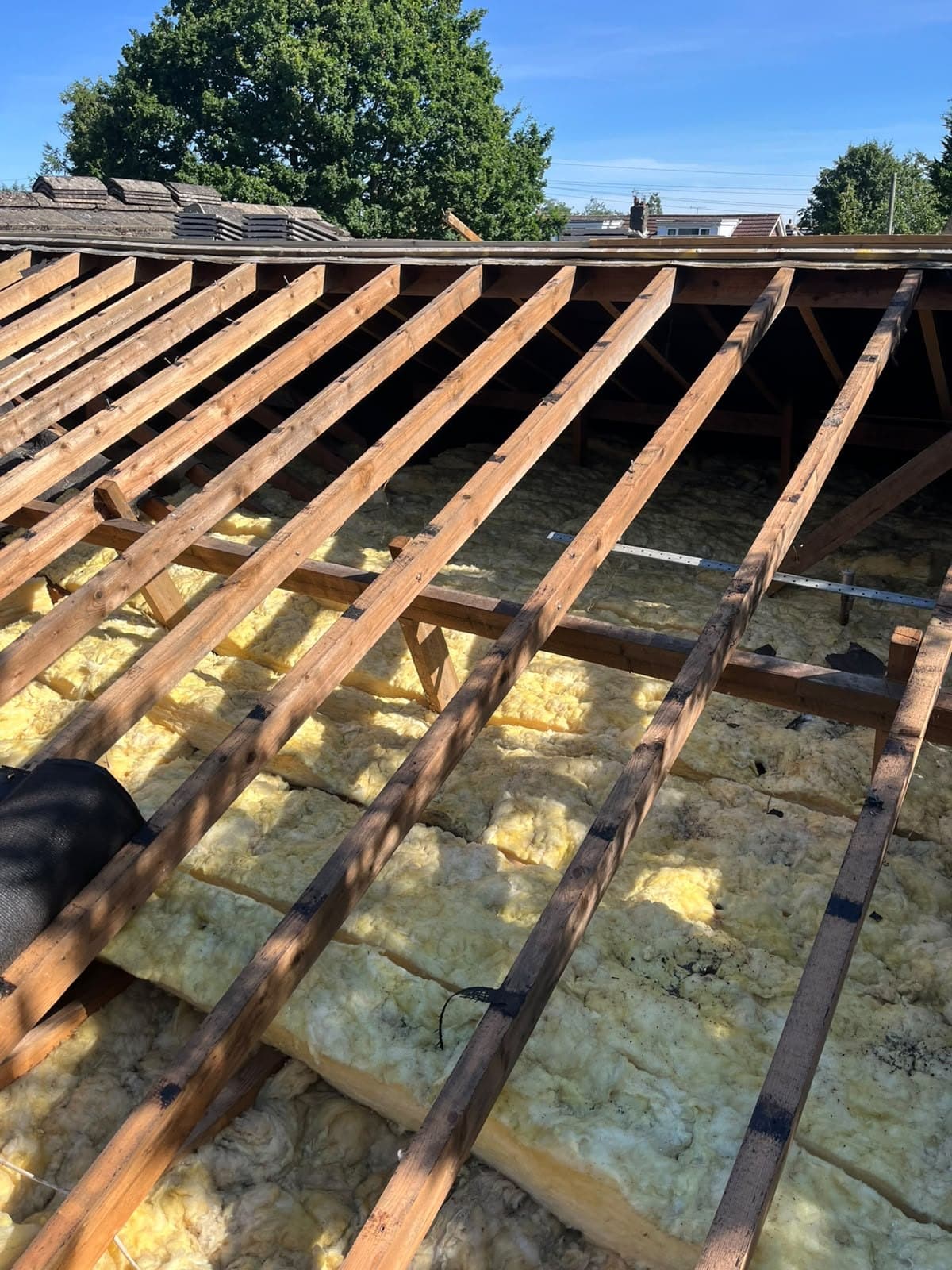
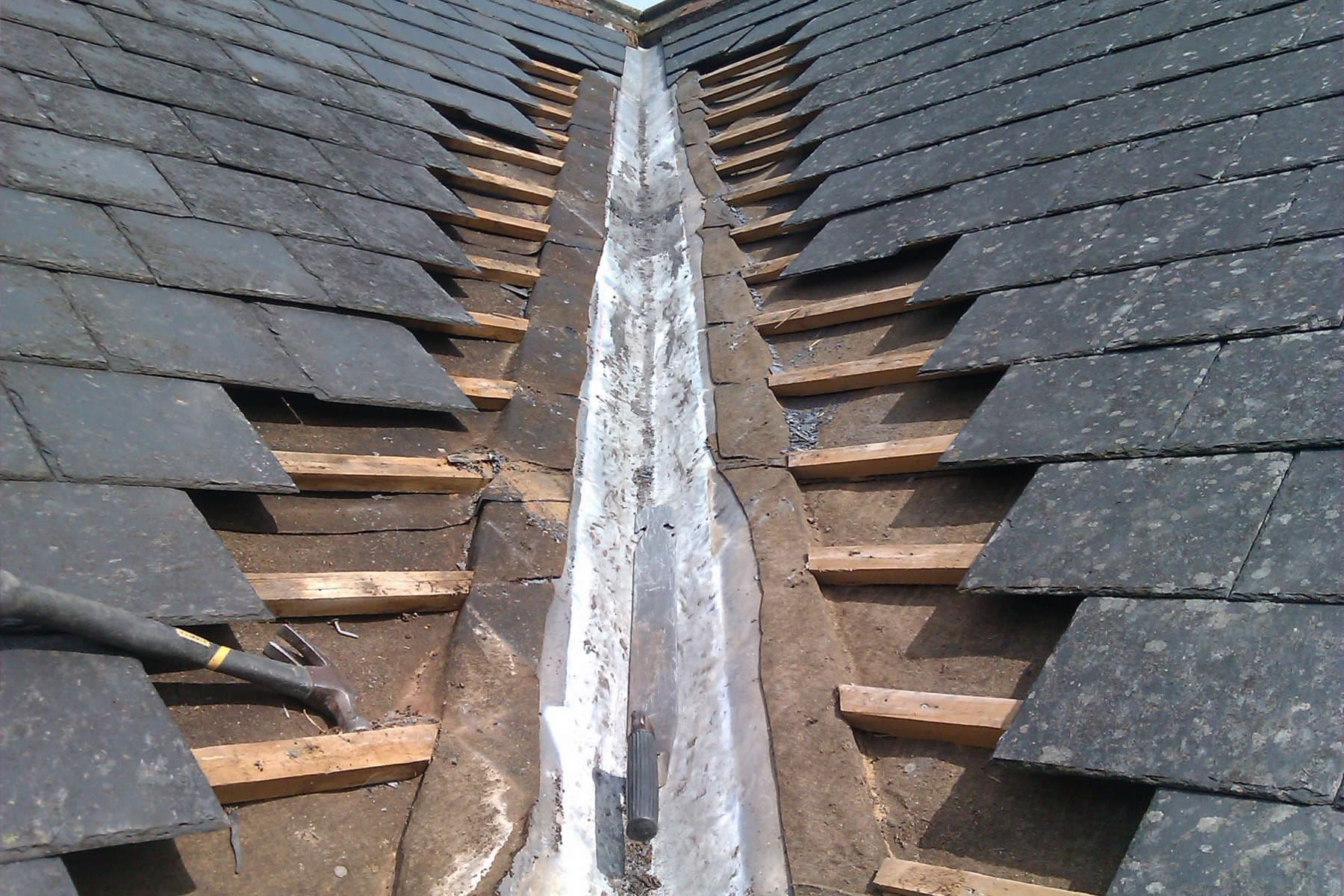
We explain this to homeowners across Kent every day. Roof problems often start small and stay hidden until damage becomes more serious. A roof rarely fails all at once. Instead, wear builds up through weather, age, and movement. Spotting the early signs helps avoid larger repairs later.
Why it matters when a roof needs repair
Your roof protects the structure of your home. When it stops doing that properly, water is usually the cause. Even a small leak can soak insulation, weaken timber, and lead to damp inside ceilings and walls. We often see cases where early action would have prevented far greater damage.
Kent weather puts constant pressure on roofs. Heavy rain, strong winds, temperature changes, and coastal air all affect roofing materials. Over time, tiles loosen, seals break down, and joints begin to fail. This does not always mean replacement is needed, but it does mean repairs should not be ignored.
Clear signs your roof needs repair
Some warning signs are visible without climbing onto the roof.
Damaged or missing tiles
Cracked, slipped, or missing tiles allow water to reach the layers beneath. Even a single damaged tile can let rain spread before it becomes visible indoors. This is one of the most common reasons a roof needs repair.
Leaks or water stains inside the home
Brown marks on ceilings, peeling paint, or damp patches on upstairs walls usually point to a roof issue. Water often travels before showing, which is why the source is not always obvious.
Sagging or uneven rooflines
A roof should sit straight. Any dip or sag can indicate long-term water damage or structural stress. This should always be checked quickly.
Moss and debris build-up
Moss holds moisture against tiles and can cause cracking over time. It also blocks gutters, forcing water back toward the roof edge.
Hidden issues that still mean your roof needs repair
Not all roof problems are visible from the ground.
Faulty flashing and leadwork
Chimneys, valleys, and roof joins rely on proper leadwork and flashing to keep water out. When flashing lifts or splits, leaks often follow, especially during heavy rain.
Gutter and roof edge problems
Damaged guttering, fascias, and soffits allow water to overflow onto walls and roof edges, leading to rot and damp over time.
Loft warning signs
Inside the loft, damp insulation, mould growth, daylight through tiles, or a musty smell all suggest water ingress.
Storm damage and sudden roof problems
Strong winds and heavy rain can shift tiles, loosen ridges, and lift flashing. Even if no damage is obvious, issues can still be present after a storm. All roof inspections and repairs should follow HSE working at height guidance to ensure safety and reduce risk.
Repair or replacement, which is needed?
If damage is limited to one area, professional roof repairs are often enough to extend the life of the roof.
If problems are widespread or the roof is nearing the end of its lifespan, a replacement may be more cost-effective long term. In these cases, we explain all options clearly, including new roof installations, so you can make an informed decision.
Planning rules and building regulations
Most repairs do not require approval, but larger changes sometimes do. Alterations may fall under planning permission rules in England and Wales. Guidance from the Planning Portal on roof work helps explain what is allowed under permitted development.
Structural roof work must also meet GOV.UK building regulations. Oversight is provided by Local Authority Building Control, and in Kent this is handled through Kent County Council planning and building control.
Why local experience makes a difference
Roofs across Kent face different challenges depending on location. Coastal properties deal with stronger winds and salt air, while inland homes often struggle more with moss and blocked drainage. Working locally gives us practical experience of these conditions and how best to deal with them.
Being nearby also means faster response times when issues arise.
How we approach roof repairs
We believe roof repairs should be clear and stress free. Our approach includes careful inspections before recommending work, clear explanations without jargon, quality materials suited to Kent conditions, tidy workmanship, and honest pricing. This is why homeowners continue to trust Premier Roofing and Building Kent Ltd for roofing work across the area.
When should you have your roof checked?
If your roof is over ten years old, or you have noticed any of the signs above, it is worth having it inspected. Regular checks help prevent small issues from becoming larger problems.
What people ring us about
The commonest calls we get are a damp patch that has appeared on a ceiling, tiles found in the garden after wind, and a gutter overflowing down a wall. All three are worth a look rather than a wait, and on exposed properties around Romney and Lydd all three move faster than people expect. Most turn out to be a straightforward repair if they are caught before the timber gets involved.
Conclusion
If you believe your roof needs repair, acting early can protect your home and avoid unnecessary costs. We are always happy to assess your roof and explain the best next steps clearly. If you would like advice or an inspection, simply contact us and we will be happy to help.