We explain the common flat roof problems we deal with across Kent because flat roofs behave very differently to pitched roofs. They are reliable when installed properly, but when issues start, they often develop beneath the surface before becoming obvious.
In practice, what we see quite often is homeowners only noticing a problem once a leak appears inside. By that point, the issue has usually been building for some time. Knowing the most common problems helps you spot early warning signs and avoid larger repairs.
Why flat roofs are more prone to certain issues
Flat roofs are designed with a slight fall, not a steep slope. This means water drains more slowly compared to pitched roofs.
Because of this, flat roofs are more sensitive to drainage issues, surface wear, and installation quality. Small defects can allow water to sit on the surface or enter the structure.
Standing water and poor drainage
One of the most common flat roof problems is standing water.
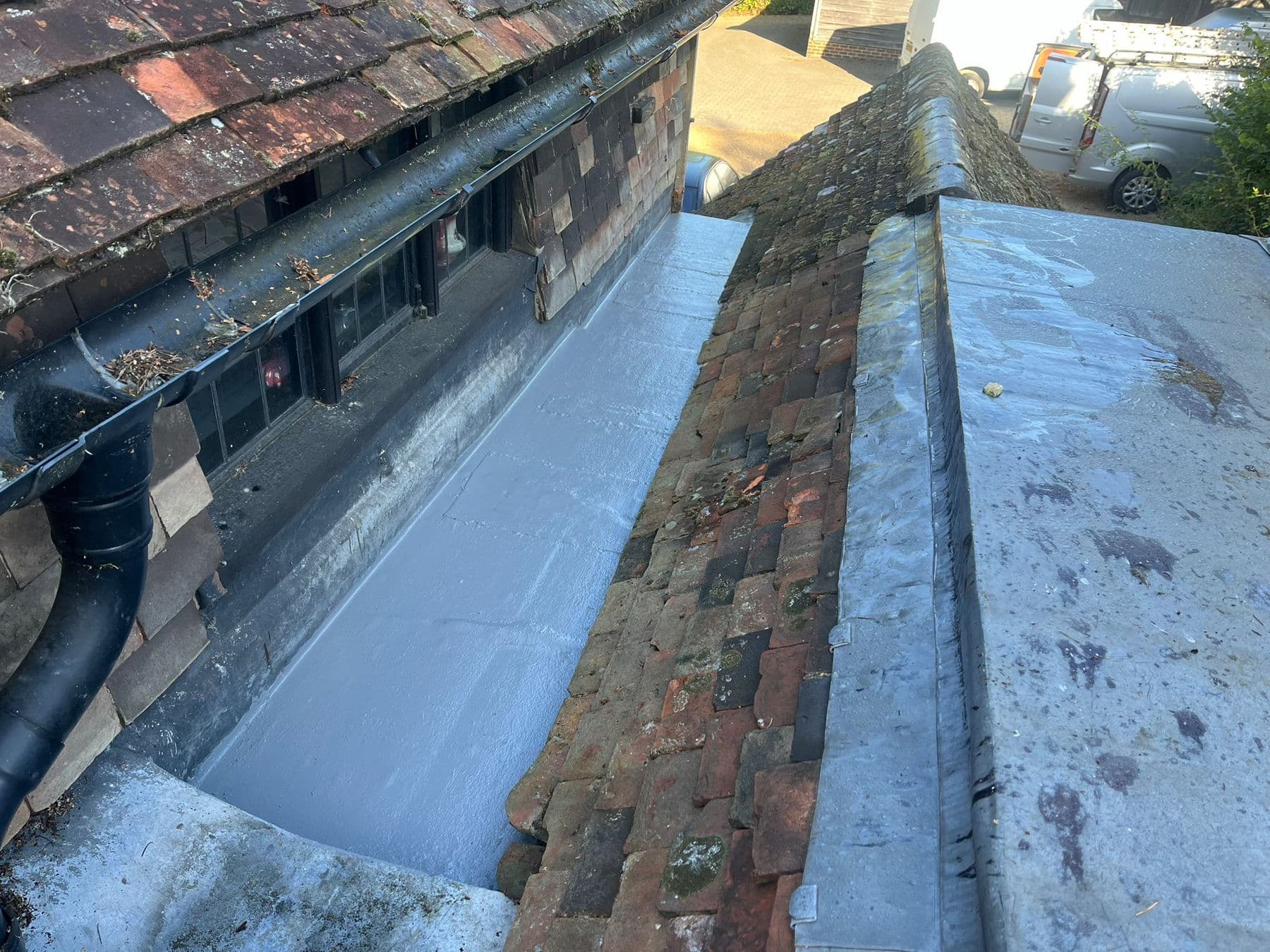
Flat roofs should allow rainwater to drain within a reasonable time. If water remains on the surface for long periods, it puts extra pressure on the roofing material and increases the risk of leaks.
In Kent, we often see this caused by blocked outlets or slight dips in the structure. What actually tends to happen is debris builds up over time and prevents water from draining properly.
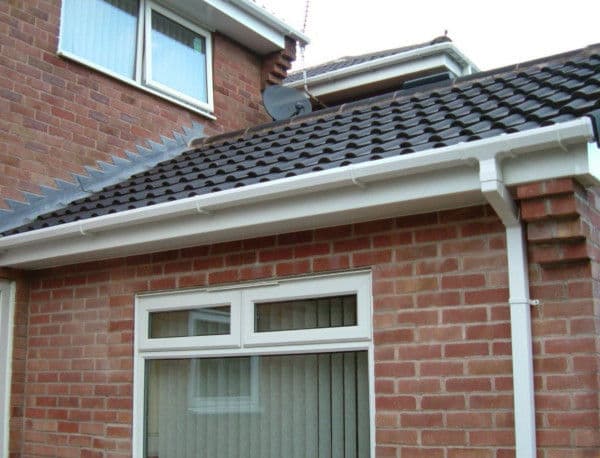
Maintaining guttering, fascias, and soffits helps ensure water flows away from the roof effectively.
Cracks, splits, and surface wear
Flat roof materials expand and contract with temperature changes. Over time, this movement can lead to cracks or splits in the surface.
These small openings allow water to enter the roof structure. Once moisture gets beneath the surface, it can spread without being immediately visible.
Early roof repairs can prevent these issues from developing into larger problems.
Blistering and bubbling
Blisters form when air or moisture becomes trapped beneath the roof surface. This causes the material to lift and create bubbles.
While small blisters may not cause immediate leaks, they weaken the roof and often lead to splits over time.
In practice, we often find that blistering is linked to poor installation or ageing materials.
Flashing failure at edges and joins
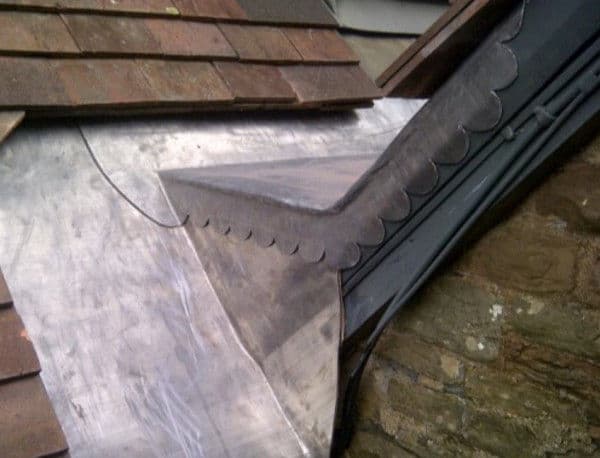
Flat roofs rely heavily on secure detailing at edges and joints. Areas where the roof meets walls or chimneys are particularly vulnerable.
Proper leadwork and flashing is essential to keep water out. If flashing becomes loose or damaged, water can enter quickly and spread beneath the surface.
This is one of the most common causes of leaks we deal with.
Leaks and water ingress
Leaks are often the result of one or more of the issues above. Water may enter through cracks, failed joints, or worn materials.
What makes flat roof leaks difficult is that the entry point is not always where the water appears inside the property. Moisture can travel across the roof before becoming visible.
This is why a proper inspection is important rather than relying on temporary fixes.
Sagging or structural movement
Flat roofs should remain level with a slight fall for drainage. If the structure begins to sag, it can create low points where water collects.
Over time, this adds weight to the roof and increases the risk of failure.
In older properties across Kent, we sometimes find structural issues beneath the surface that contribute to this problem.
Moss and debris build up
Flat roofs can collect debris more easily than pitched roofs. Leaves, moss, and dirt can build up over time and block drainage outlets.
This contributes to standing water and surface wear.
Regular cleaning and maintenance help reduce this risk.
When repairs are enough
Many common flat roof problems can be resolved with targeted repairs. Small cracks, minor leaks, and isolated damage can often be fixed without replacing the entire roof.
Acting early keeps costs lower and extends the life of the roof.
When replacement becomes necessary
In these situations, we carry out new roof installations to provide a long term solution.
A common situation we see is homeowners repairing the same areas multiple times before deciding to replace the roof.
Planning permission and flat roof work
Most flat roof repairs and replacements do not require approval if they are like for like. However, structural changes may require checking planning permission rules in England and Wales.
The Planning Portal on roof work provides further guidance.
Building regulations and flat roofing
Flat roofing work must comply with GOV.UK building regulations, particularly when insulation or structure is involved.
Compliance is overseen by Local Authority Building Control, with local authority services managed by Kent County Council.
Safety during flat roof work
All roofing work involves working at height and should follow HSE working at height guidance.
Flat roofs may seem easier to access, but they still require proper safety procedures and equipment.
Why local experience matters
Flat roof problems vary depending on location. In Kent, coastal properties often face stronger winds, while inland homes deal with moss and drainage issues.
Understanding these conditions helps identify the real cause of the problem and provide effective solutions.
Homeowners across the area continue to rely on Premier Roofing for reliable roofing work and honest advice.
Flat roofs out on the Marsh
Most of the failed flat roofs we are called to on the Marsh failed at an edge rather than in the middle. Standing water is the problem everyone expects. Wind getting under an upstand is the one that actually pulls a roof apart, and at Dymchurch and Lydd it does that from the sea side all winter. We check the fall and the outlets before anything is laid, and the detailing at the edges before we quote.
Conclusion
Understanding the common flat roof problems helps you identify issues early and avoid more serious damage. Standing water, cracks, and flashing failures are all signs that should not be ignored. If you have noticed problems with your flat roof or would like a professional inspection, simply contact us and we will be happy to help.