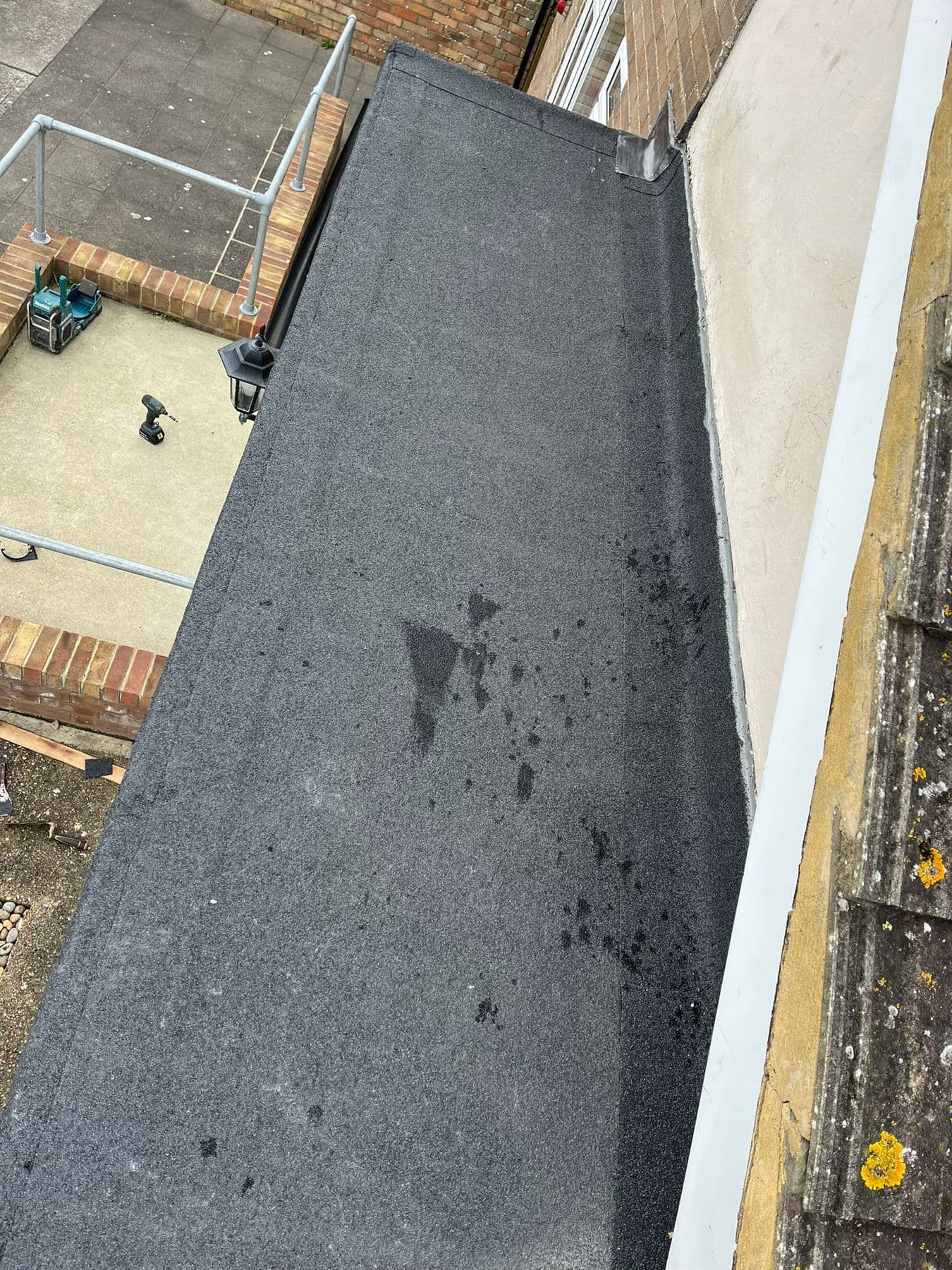
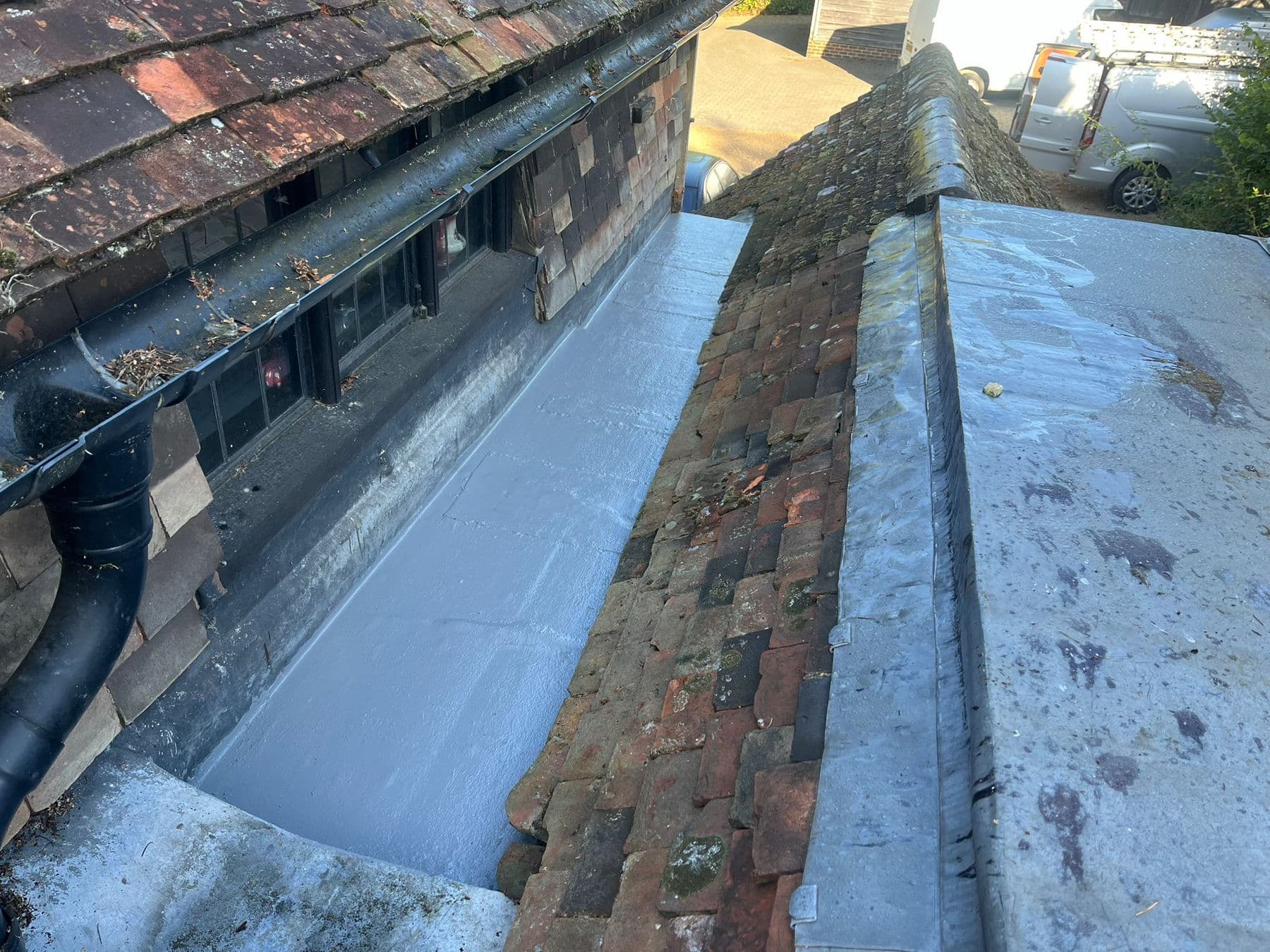
We explain this to homeowners across Kent on a regular basis. Knowing when to replace a flat roof can save you from repeated leaks, internal damage, and ongoing repair costs. Flat roofs are practical and cost effective, but like all roofing systems, they have a lifespan. Recognising the signs of failure early helps you plan properly rather than waiting for a major problem.
Flat roofs are commonly found on extensions, garages, porches, and some modern homes. They perform well when installed correctly, but they require monitoring over time.
How long does a flat roof usually last?
The lifespan of a flat roof depends on the material used and the quality of installation. Older felt systems may last 10 to 20 years. More modern systems can last longer when maintained properly.
Weather plays a major role in how long a flat roof performs. In Kent, heavy rain, temperature changes, and strong winds all affect flat roof surfaces. Regular inspections help extend lifespan, but eventually replacement becomes the more reliable option.
Signs you may need to replace a flat roof
Frequent leaks
If your flat roof leaks repeatedly, even after repairs, it may be nearing the end of its life. Occasional repairs are normal, but repeated leaks usually indicate deeper wear across the surface.
Professional roof repairs can solve isolated problems, but ongoing issues suggest replacement may be more cost effective long term.
Standing water
Flat roofs are built with a slight fall to allow water to drain. If water regularly pools on the surface and does not clear within a short time, this can indicate poor drainage or surface failure.
Standing water adds weight and increases the risk of leaks.
Cracks, splits, or blisters
Visible cracking, bubbling, or blistering on the surface shows that the waterproof layer is breaking down. These issues often worsen during hot and cold weather cycles.
If damage is widespread rather than isolated, replacement may be the better solution.
Sagging or structural movement
A flat roof should remain level with a slight fall. Any noticeable sagging may indicate structural weakness beneath the covering. This is a serious sign that should be assessed promptly.
When repairs are enough
Not every flat roof problem means full replacement is needed. Small splits, minor leaks, or isolated wear can often be repaired successfully.
If the structure beneath the roof is sound and the covering is generally in good condition, repairs can extend the life of the roof for several more years.
The key is identifying whether damage is localised or widespread.
When replacement becomes the better option
Replacement is usually recommended when:
- Leaks are frequent or returning
- The surface shows widespread cracking or wear
- Drainage issues cannot be resolved with minor adjustments
- The roof has reached the end of its expected lifespan
Replacing a flat roof provides a fresh waterproof layer and removes underlying issues such as rotten boards or weakened insulation.
When we carry out new roof installations, we ensure proper drainage, ventilation, and structural checks are completed as part of the process.
The importance of roof details
Flat roofs rely heavily on proper detailing at edges and joins. Areas around walls and chimneys depend on secure leadwork and flashing to prevent water ingress.
Drainage also plays a major role. Damaged or blocked guttering, fascias, and soffits can allow water to back up and affect the roof edge, increasing the risk of failure.
Maintaining these components helps delay replacement.
Planning permission and flat roof replacement
Most like for like flat roof replacements do not require approval. However, changes to roof height, structure, or appearance may fall under planning permission rules in England and Wales.
Guidance from the Planning Portal on roof work explains what is permitted without formal application.
Building regulations and compliance
Flat roof replacement must comply with GOV.UK building regulations. These regulations cover insulation, ventilation, and structural integrity.
Compliance is overseen by Local Authority Building Control. In Kent, this is managed through Kent County Council planning and building control. Professional roofers ensure all necessary steps are followed.
Safety during flat roof replacement
Replacing a flat roof involves working at height and handling materials safely. All roofing work must follow HSE working at height guidance to reduce risk.
Attempting DIY repairs or replacement without proper equipment can lead to injury and further damage.
Why local experience matters
Flat roofs in Kent face different challenges depending on location. Coastal properties deal with strong winds, while inland homes may suffer from moss and drainage issues.
Understanding these local factors helps ensure the replacement system is suited to the property and environment.
Homeowners across the county continue to trust Premier Roofing for honest advice and reliable roofing work.
How regular inspections help delay replacement
Regular inspections allow small issues to be fixed before they spread. Checking drainage outlets, surface condition, and roof edges can help extend the life of a flat roof.
Preventative maintenance is often far more cost effective than emergency replacement.
Flat roofs on newer estate housing
A lot of the flat roofs we replace around New Romney are on newer estate properties where the original specification is now old enough to be asking questions. They tend to fail in the same order, being ponding first, then a seam, then the upstand. Replacing at the seam stage is far cheaper than replacing after the deck underneath has taken water.
Conclusion
Knowing when to replace a flat roof depends on age, condition, and the frequency of problems. Occasional repairs are normal, but repeated leaks and widespread wear often signal it is time for a new roof. If you would like your flat roof assessed or need clear advice on the next steps, simply contact us and we will be happy to help.