We explain this question regularly when homeowners are planning an extension, replacement, or full roof upgrade. The choice between a flat roof vs pitched roof depends on how the property is used, budget, appearance, and long term maintenance. Both options work well in the UK when designed and installed properly, but they suit different situations.
Understanding the differences helps you choose the roof that performs best for your home in Kent.
What is a flat roof?
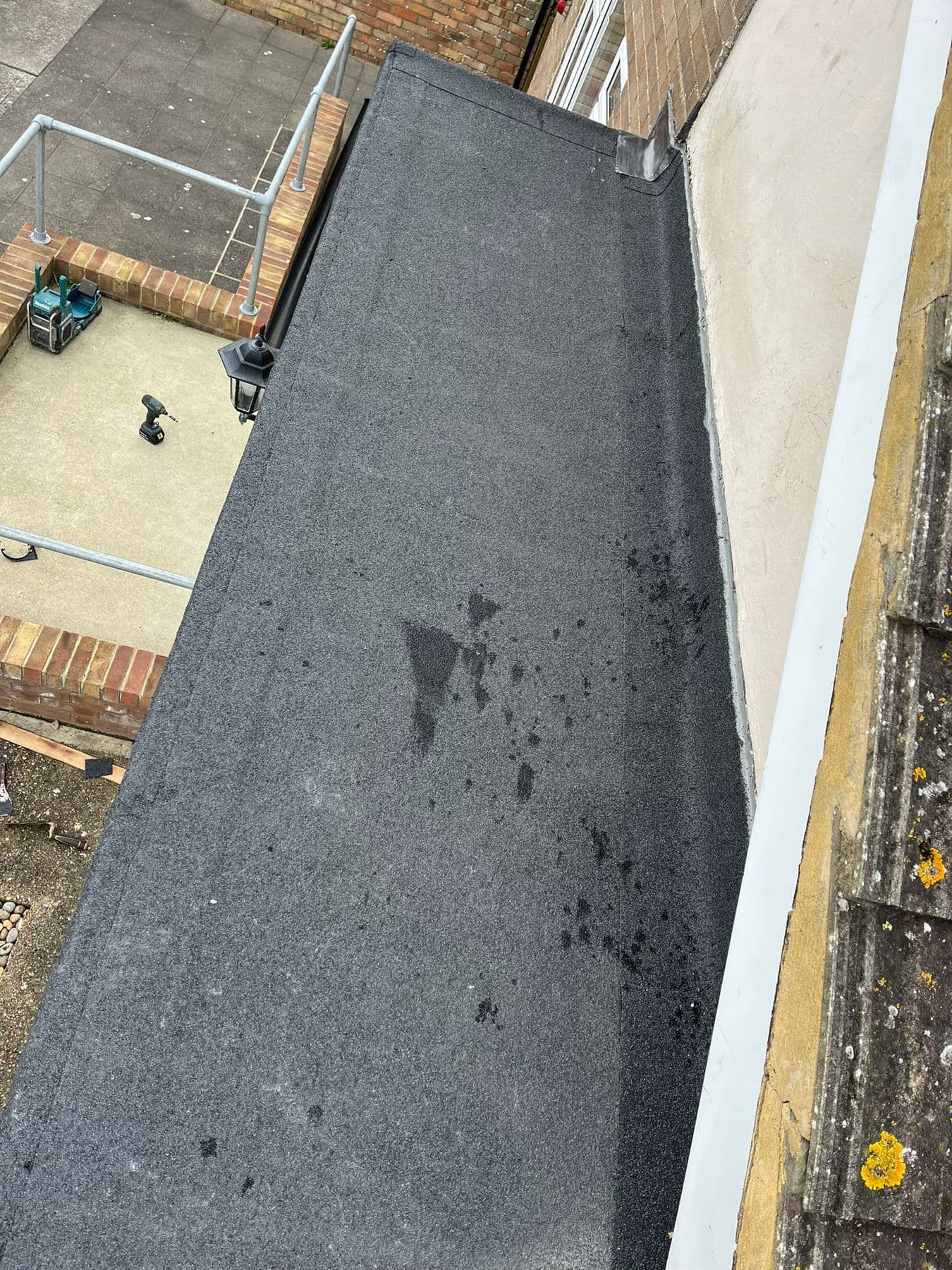
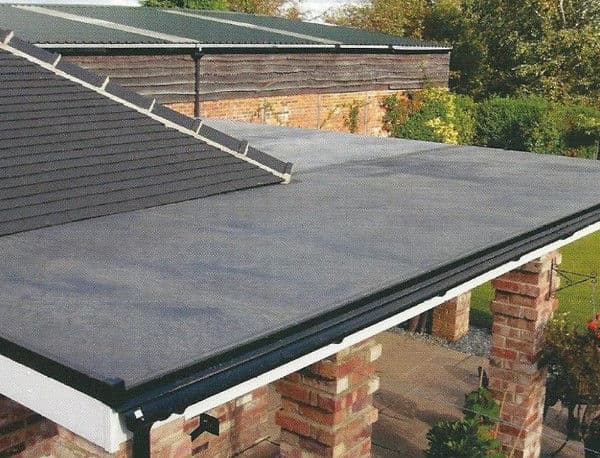
A flat roof is built with a very slight fall to allow rainwater to drain away. It is commonly used on extensions, garages, porches, and commercial buildings, but it is also seen on modern homes.
Flat roofs are popular where space is limited or where a clean, modern look is wanted. They are also practical when height restrictions apply.
What is a pitched roof?
A pitched roof has a visible slope, usually finished with tiles or slate. This is the most common roof type on UK homes and has been used for centuries because it sheds water efficiently.
Pitched roofs suit most property styles in Kent, from period homes to newer builds, and are known for their durability.
Flat roof vs pitched roof performance in UK weather
UK weather plays a major role in roof performance.
Pitched roofs naturally shed rain, snow, and debris. This reduces the risk of standing water and leaks over time. Flat roofs rely more heavily on correct installation and drainage to perform well.
Modern flat roofing systems have improved significantly and can cope very well with UK conditions when installed properly. However, poor workmanship or blocked drainage will shorten their lifespan.
Lifespan comparison
A well built pitched roof can last several decades. Clay tiles and slate often outlast the building itself when maintained correctly.
Flat roof lifespan depends on the system used. Traditional felt roofs generally have a shorter lifespan, while modern systems last much longer when installed and maintained properly.
In both cases, regular inspections and timely roof repairs play a key role in extending roof life.
Cost differences between flat and pitched roofs
Flat roofs are usually cheaper to install upfront because they use fewer materials and require less labour. This makes them popular for extensions and garages.
Pitched roofs cost more initially due to materials, structure, and labour. However, their longer lifespan often makes them more cost effective over time.
When we carry out new roof installations, we always explain the long term cost implications, not just the upfront price.
Maintenance requirements
Flat roofs generally need more regular checks. Drainage outlets must be kept clear and the surface inspected for wear.
Pitched roofs usually require less frequent maintenance, but they are not maintenance free. Tiles can crack, ridges can loosen, and joints can fail over time.
Both roof types benefit from keeping guttering, fascias, and soffits in good condition, as poor drainage affects the entire roof.
Appearance and property style
Pitched roofs suit traditional and period homes and blend easily with surrounding properties. They also offer space for loft storage or conversions.
Flat roofs suit modern designs and extensions where a pitched roof may look out of place or restrict light from neighbouring windows.
Local planning rules may influence which option is suitable.
Planning permission considerations
Most like for like roof replacements do not require approval. However, changing roof shape or height may fall under planning permission rules in England and Wales.
Guidance from the Planning Portal on roof work helps explain what is allowed under permitted development.
Building regulations and roof construction
Both flat and pitched roofs must meet GOV.UK building regulations. These rules cover insulation, drainage, ventilation, and structural safety.
Compliance is overseen by Local Authority Building Control. In Kent, this is handled through Kent County Council planning and building control. Any reputable roofer will ensure the correct approvals and inspections are in place.
Leadwork and roof details
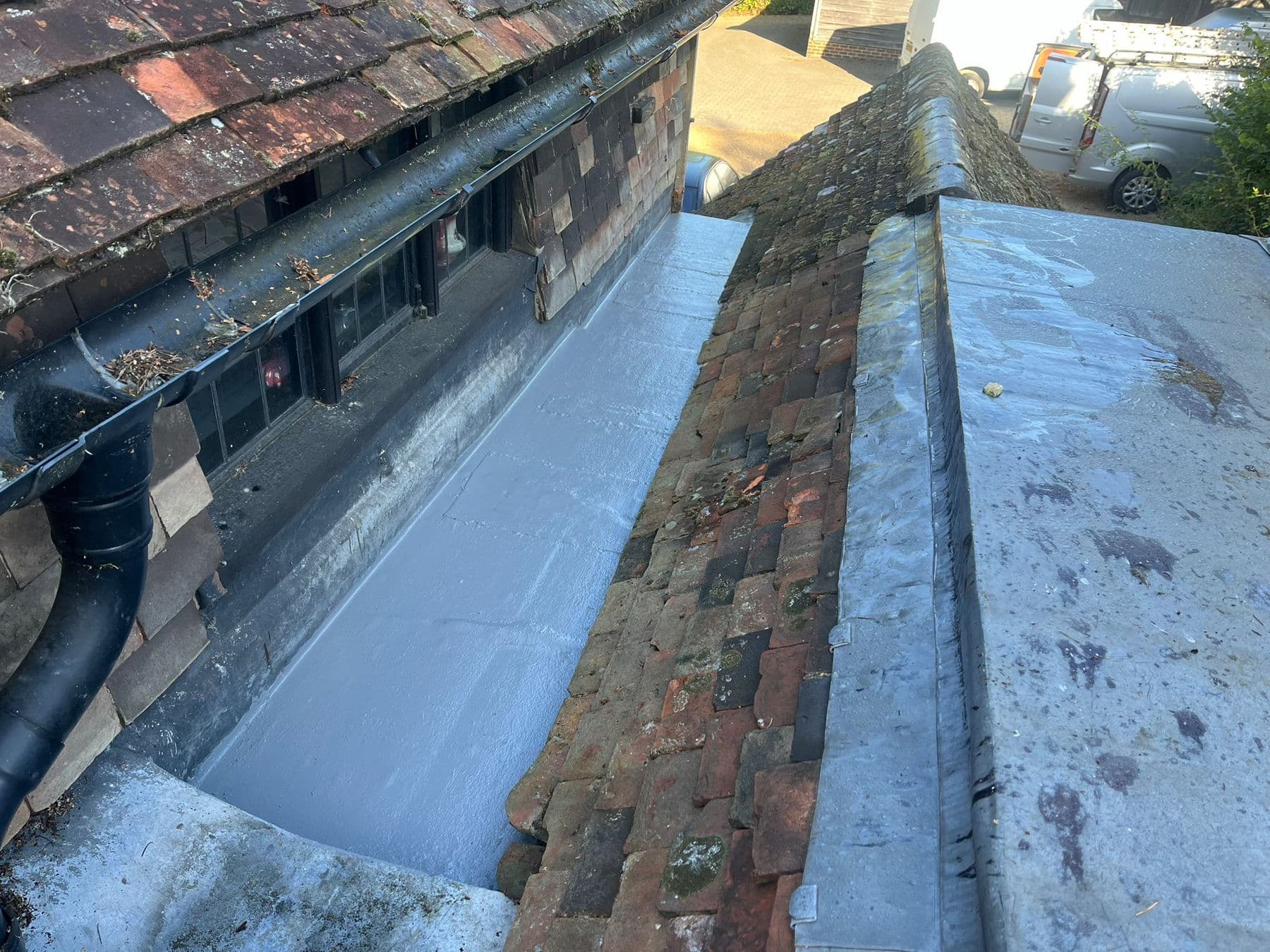
Both roof types rely on proper detailing to prevent leaks. Chimneys, joins, and edges depend on well fitted leadwork and flashing to keep water out. These areas are often where problems start if corners are cut.
Safety during installation and maintenance
Roofing work must always be carried out safely. All work at height should follow HSE working at height guidance. Proper access, trained professionals, and correct safety systems are essential for both flat and pitched roofs.
Which roof is better for homes in Kent?
There is no single answer. A pitched roof is usually the best choice for main house roofs due to longevity and weather performance. A flat roof often works better for extensions, garages, and modern designs.
The best option depends on budget, property style, planning restrictions, and how the space beneath the roof will be used.
Our approach to helping homeowners choose
We assess each property individually and explain the pros and cons clearly. We do not push one option over the other. The goal is always to recommend what will work best for the building and the homeowner.
This honest approach is why so many homeowners across Kent trust Premier Roofing for roofing advice and installation.
Which performs better on the coast
Exposure changes this answer locally. A pitched roof sheds driven rain more readily, but its ridge and verges take the wind uplift. A flat roof has no ridge to lose, but its edges and outlets become the whole argument, and at Dymchurch they are working against the sea wind all winter. Neither is simply better here. The detailing is what decides it.
Conclusion
Choosing between a flat roof vs pitched roof comes down to performance, cost, appearance, and long term maintenance. Both options work well when designed and installed correctly. If you are unsure which roof is right for your property or would like advice tailored to your home, simply contact us and we will be happy to help.