We explain this question to homeowners across Kent all the time. Understanding how long does a roof last in the UK depends on materials, weather, workmanship, and ongoing care. UK conditions are demanding, with frequent rain, strong winds, and seasonal temperature changes. A roof that is well built and maintained can last decades, while a neglected one may fail much sooner.
Typical roof lifespans in the UK
Most UK roofs fall within broad lifespan ranges. These are not guarantees, but realistic expectations based on experience.
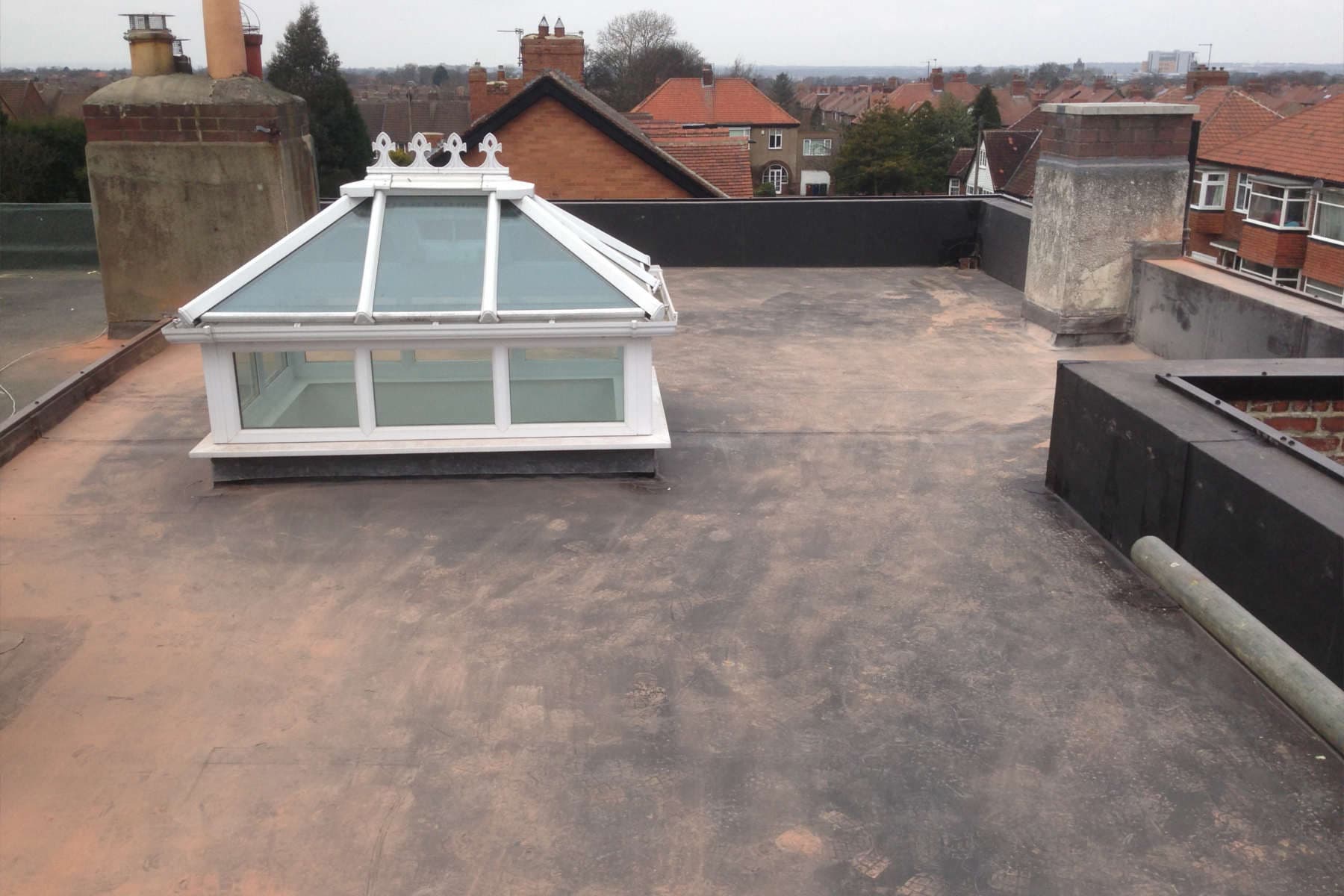
Concrete tiled roofs often last 40 to 50 years. Clay tiles can reach 60 years or more. Natural slate is one of the longest lasting options, commonly exceeding 80 years when installed correctly. Flat roofs vary more widely, with traditional felt lasting 10 to 20 years, while modern systems can last much longer.
What matters most is not just the material, but how it is installed and cared for over time.
What shortens or extends a roof’s lifespan?
Quality of installation
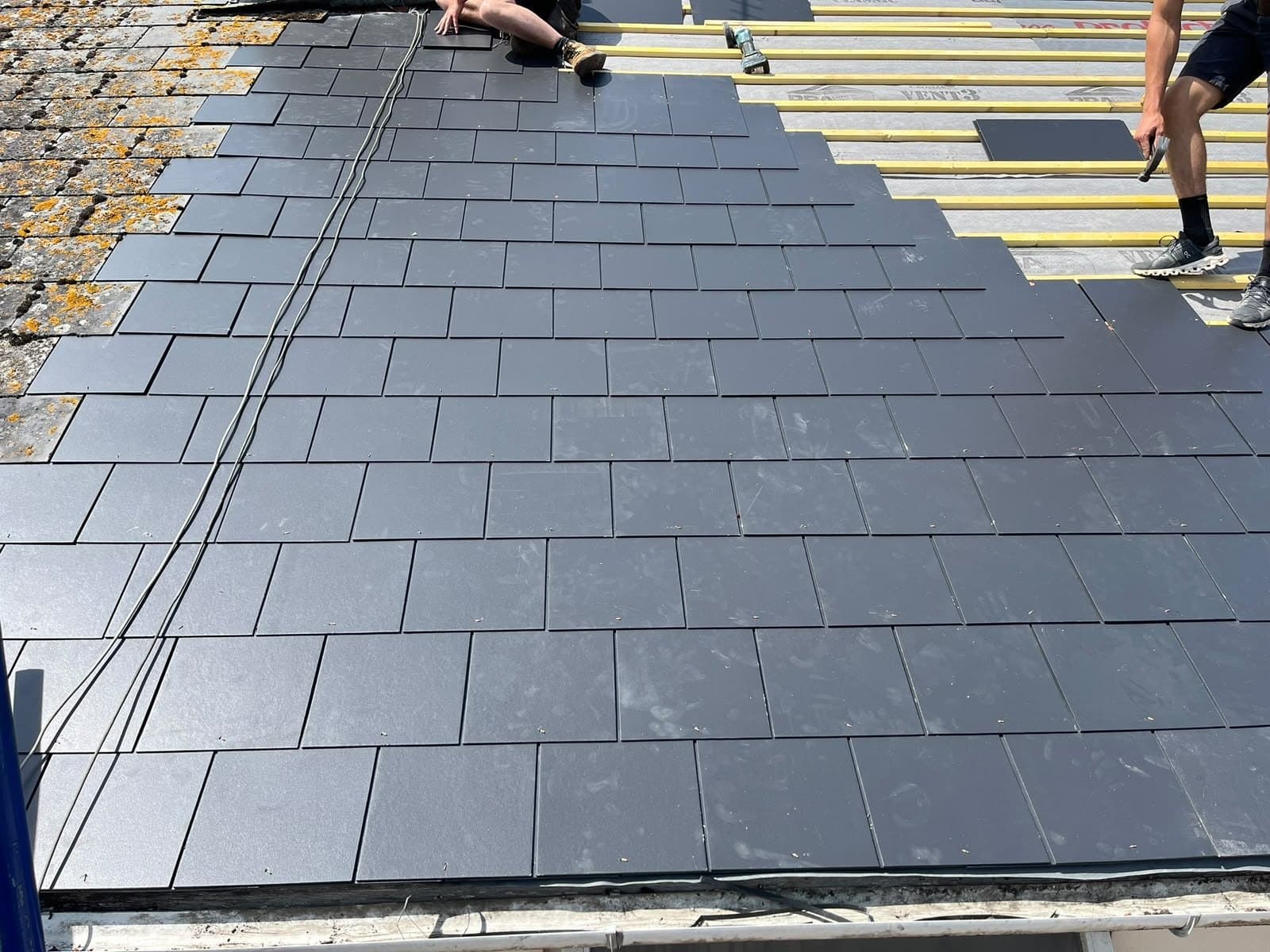
A roof is only as good as the workmanship behind it. Poor fitting, incorrect fixing, or rushed work can cut years off a roof’s life. Proper installation from day one is essential. When we carry out new roof installations, we focus on correct methods, suitable materials, and long term durability.
Exposure to weather
UK weather is unpredictable. Coastal areas face strong winds and salt air, while inland areas often deal with heavy rain and moss growth. Roofs in exposed locations usually need more frequent checks to reach their full lifespan.
Maintenance and inspections
Roofs that are checked regularly last longer. Small issues such as loose tiles or failing seals can be fixed before water causes wider damage. Ignoring minor problems often leads to bigger repairs later.
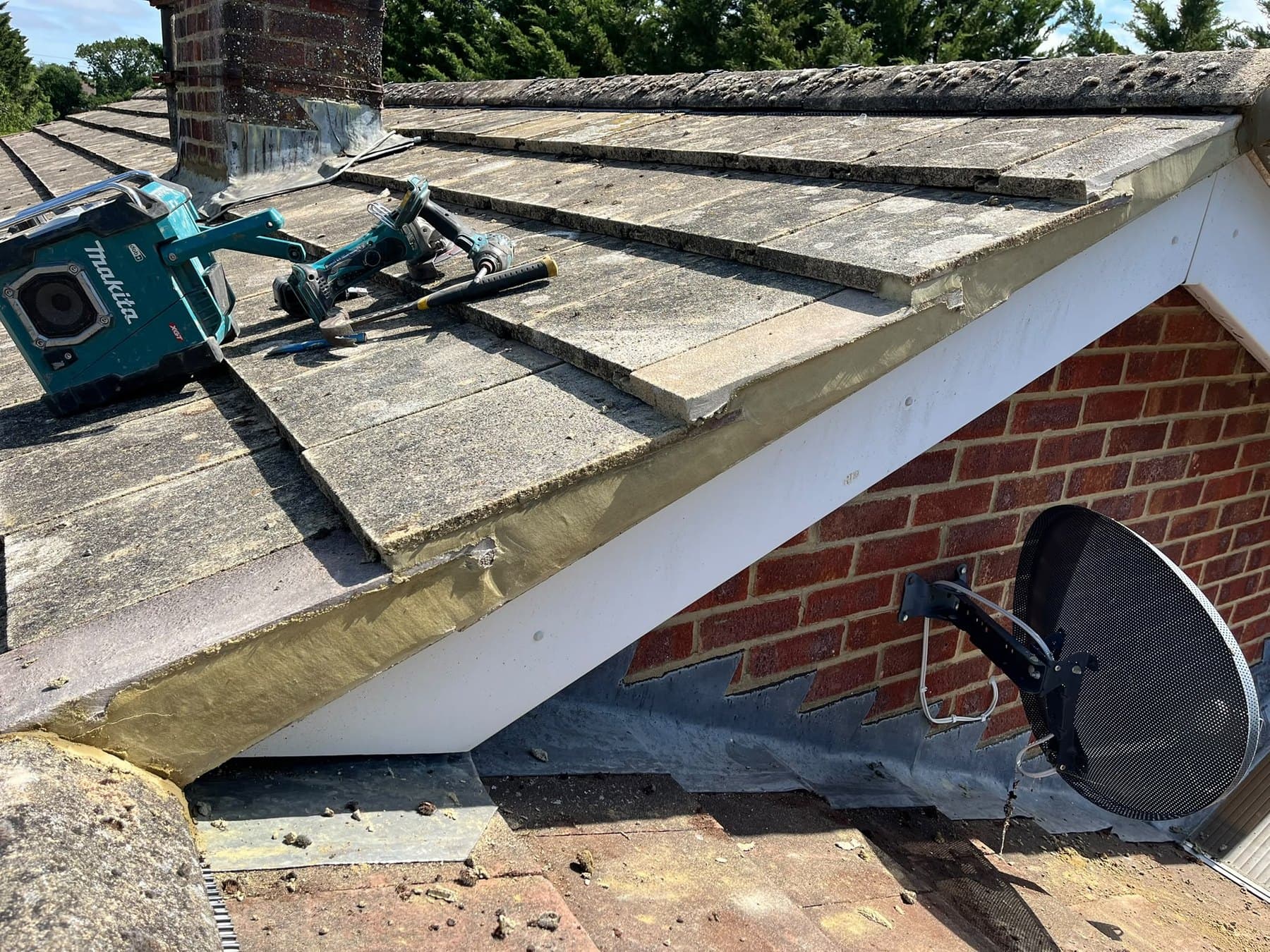
Targeted roof repairs can add many years to a roof’s life when done early.
Common weak points that affect roof life
Leadwork and flashing
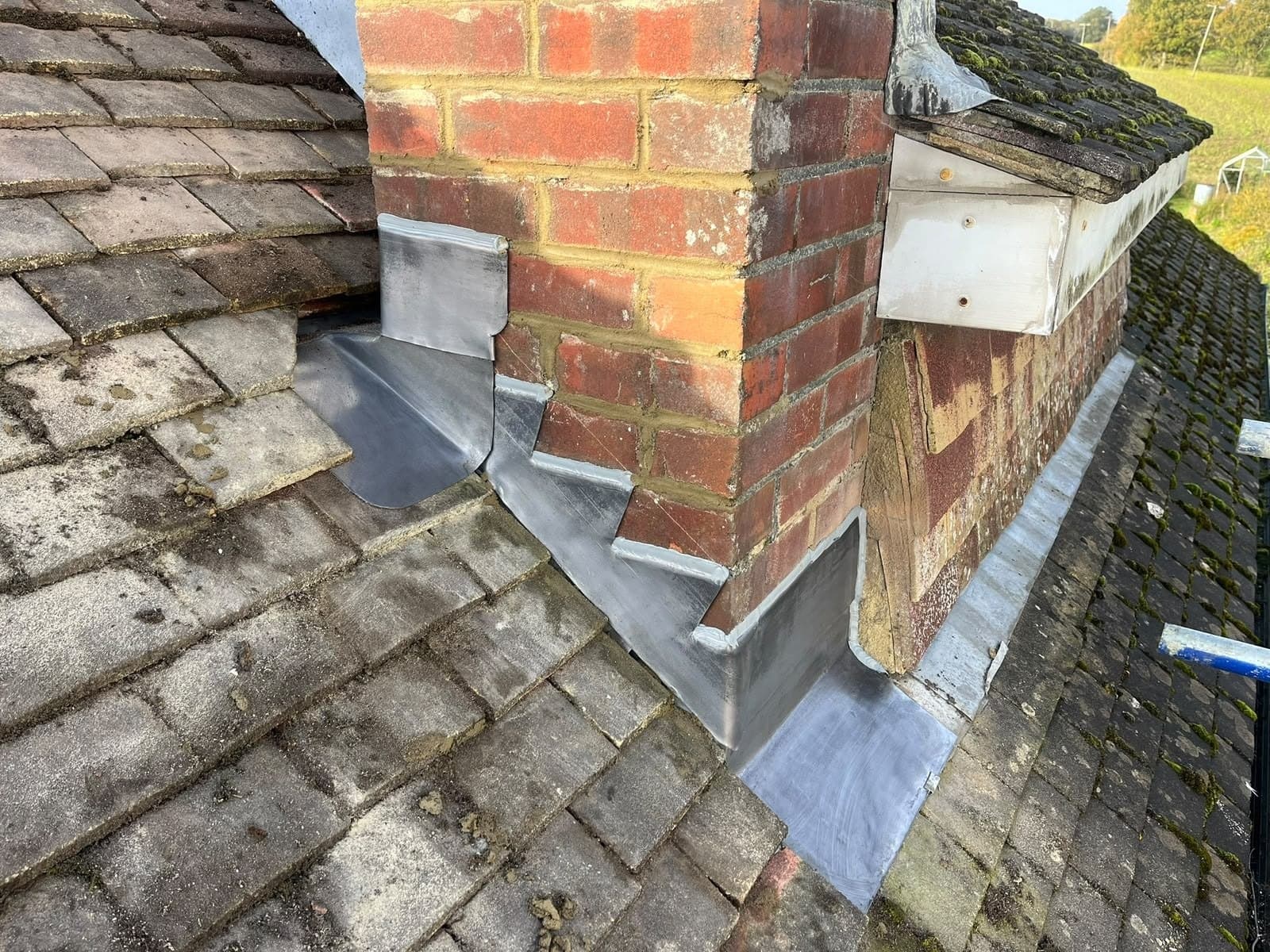
Chimneys, valleys, and roof joints rely on proper leadwork and flashing to stay watertight. These areas often fail before the tiles themselves. Replacing or repairing flashing at the right time prevents leaks and protects the roof structure.
Guttering and roof edges
Blocked or damaged guttering, fascias, and soffits allow water to overflow onto brickwork and roof timbers. Over time, this causes rot and damp, reducing the roof’s lifespan.
Moss and debris
Moss holds moisture against tiles, speeding up wear. Leaves and debris can block drainage points, forcing water back under the roof covering. Regular cleaning helps prevent this.
Signs a roof is nearing the end of its life
Knowing when a roof is wearing out helps avoid sudden failure.
Common signs include frequent leaks, cracked or missing tiles across multiple areas, sagging rooflines, and widespread moss damage. Inside the home, damp patches, mould smells, or water stains often point to long term issues rather than isolated faults.
If repairs are becoming frequent, replacement may be the more reliable option.
Planning rules and building regulations
Most like for like roof replacements do not need approval, but changes to structure, height, or materials sometimes do. Homeowners should be aware of planning permission rules in England and Wales.
Guidance from the Planning Portal on roof work helps clarify what falls under permitted development.
All new roofs must meet GOV.UK building regulations, covering safety, insulation, and weather resistance. Compliance is overseen by Local Authority Building Control, and in Kent this is managed through Kent County Council planning and building control.
Safety and proper roof work
Roofing is high risk work. All inspections and repairs should follow HSE working at height guidance. Safe access, proper equipment, and trained professionals are essential to protect everyone involved.
Attempting roof work without the right setup often leads to accidents or further damage.
Can repairs extend a roof’s lifespan?
Yes, in many cases. A roof that is structurally sound but showing early wear can often be kept in good condition with timely repairs. Replacing damaged tiles, renewing flashing, and fixing drainage issues can delay replacement for years.
However, repairs only work when the underlying structure is healthy. If timbers are rotten or materials are near failure across the whole roof, replacement becomes the sensible choice.
Why local experience matters in the UK
Roofing conditions vary by region. Kent homes face different challenges depending on proximity to the coast, tree cover, and property age. Understanding these local factors helps ensure the right approach is used, not a one size fits all solution.
Local roofers also understand common building styles and materials used across the county, which helps maintain the character and performance of the roof.
Our approach to roof lifespan and care
We believe honesty is key. When assessing a roof, we explain its current condition, expected remaining lifespan, and the most practical options. We do not recommend replacement unless it is genuinely needed.
Homeowners across Kent continue to trust Premier Roofing because we focus on long term solutions, not short term fixes.
How often should a roof be checked?
As a general rule, roofs should be inspected every few years and after severe storms. Older roofs benefit from more frequent checks. Early inspections help plan maintenance and avoid emergency situations.
Even if no work is needed, knowing your roof’s condition provides peace of mind.
Roof life on our patch
National averages are a poor guide within twenty minutes of our yard. Fixings and fittings that would comfortably last decades inland give up years earlier at Dymchurch and Lydd, and the covering usually outlives them. It is why a coastal roof so often needs doing while the tiles still look perfectly good from the road.
Conclusion
Understanding how long does a roof last in the UK depends on materials, installation, weather, and care. A well maintained roof can protect your home for decades, while neglect can shorten its life significantly. If you would like an honest assessment of your roof’s condition or advice on extending its lifespan, simply contact us and we will be happy to help.