We explain fascias and soffits to homeowners across Kent quite often because many people are unsure what these parts of the roof actually do. They are easy to overlook, but they play an important role in protecting the structure of your home and supporting your roofline.
Fascias and soffits sit along the edge of the roof and work together to protect the roof structure from weather damage, pests, and moisture. When they are in good condition, they help the roof perform properly and keep rainwater flowing away from the property.
What are fascias?
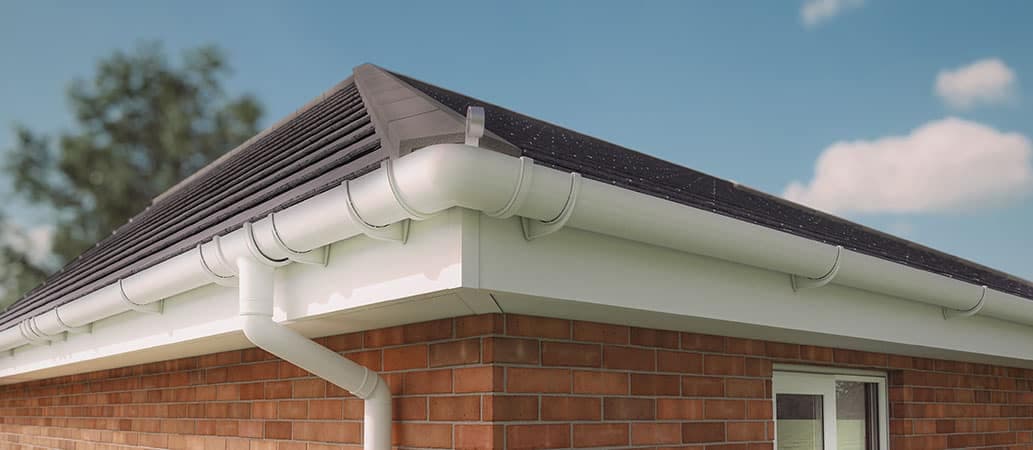
Fascias are the horizontal boards that run along the lower edge of the roof where the roof meets the outer wall of the house. They are fixed to the ends of the roof rafters and provide a strong support for the guttering system.
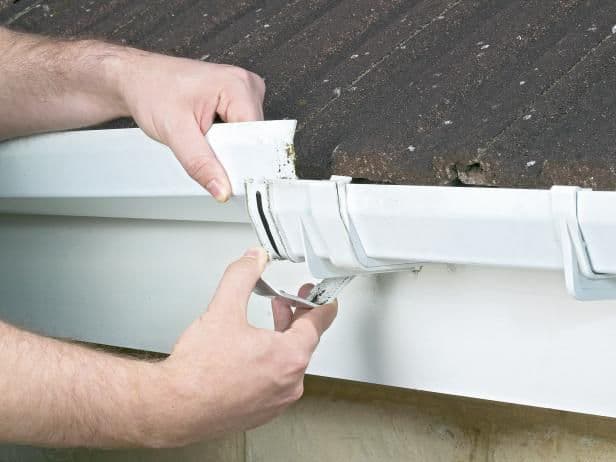
The fascia board carries the weight of the gutters and ensures rainwater is directed away from the roof and walls. If fascia boards become damaged or weakened, the guttering can start to sag or pull away from the property.
Modern fascias are often made from durable materials that require less maintenance than older timber boards.
What are soffits?
Soffits are the boards that sit underneath the fascia board. They cover the gap between the edge of the roof and the outside wall of the property.
The soffit helps protect the underside of the roof structure and prevents birds, insects, and debris from entering the roof space. Many soffits also contain small ventilation openings that allow air to circulate through the loft.
Proper ventilation is important because it helps reduce condensation and moisture build up inside the roof.
Why fascias and soffits are important
Although they may seem like minor parts of the roof, fascias and soffits perform several important functions.
They support the guttering system, protect the roof structure from weather exposure, prevent pests from entering the roof space, and help provide ventilation for the loft area.
When these components fail, other roofing problems often follow.
How fascias and soffits protect your roof
Fascias and soffits are part of the roofline system that works alongside the guttering. Well maintained guttering, fascias, and soffits ensure rainwater flows safely away from the roof and walls.
If the fascia board becomes rotten or loose, gutters may overflow or detach. This allows water to run down the walls and potentially enter the roof structure.
Maintaining these components protects the rest of the roof from unnecessary damage.
Signs fascias and soffits need attention
There are several signs that fascias and soffits may need repairing or replacing.
Peeling paint, visible cracks, sagging gutters, or signs of rot along the roofline often indicate problems. In some cases, birds or insects entering the roof space may also suggest damaged soffits.
Damp patches near the roof edge can also be a warning sign that water is not draining correctly.
How roof problems can affect fascias and soffits
Roofing issues can often impact roofline components. Loose tiles, damaged flashing, or water entering the roof can gradually weaken fascia boards.
In many cases, roofline damage is discovered during inspections or while carrying out roof repairs. Addressing these problems early prevents further structural issues.
The connection between flashing and roofline protection
Areas around chimneys and roof joins depend on secure leadwork and flashing. When flashing fails, water can travel beneath the roof covering and eventually reach the roofline.
Over time, this moisture may affect fascias, soffits, and the surrounding timbers.
Maintaining flashing helps protect all parts of the roof structure.
When fascias and soffits need replacing
Fascias and soffits usually last for many years, but they will eventually wear out. Replacement is often recommended when rot is widespread, ventilation is poor, or guttering can no longer be supported properly.
Replacing these components improves both the appearance and protection of the roofline.
During larger roofing projects such as new roof installations, roofline components are often inspected and replaced if necessary.
Planning permission and roofline work
Replacing fascias and soffits like for like usually does not require approval. However, changes to the roof structure or appearance may require checking planning permission rules in England and Wales.
Homeowners can also review guidance from the Planning Portal on roof work if they are unsure.
Building regulations and roofline components
Some roofline work must comply with GOV.UK building regulations, especially if ventilation or structural elements are affected.
Compliance is overseen by Local Authority Building Control. In Kent, this is managed through Kent County Council planning and building control.
Professional roofers ensure these requirements are met during installation or replacement work.
Safety during roofline work
Working on fascias and soffits involves working at height and should always follow HSE working at height guidance. Proper access equipment and safety procedures are essential.
Attempting roofline repairs without the right equipment can be dangerous and may lead to further damage.
Why regular inspections help
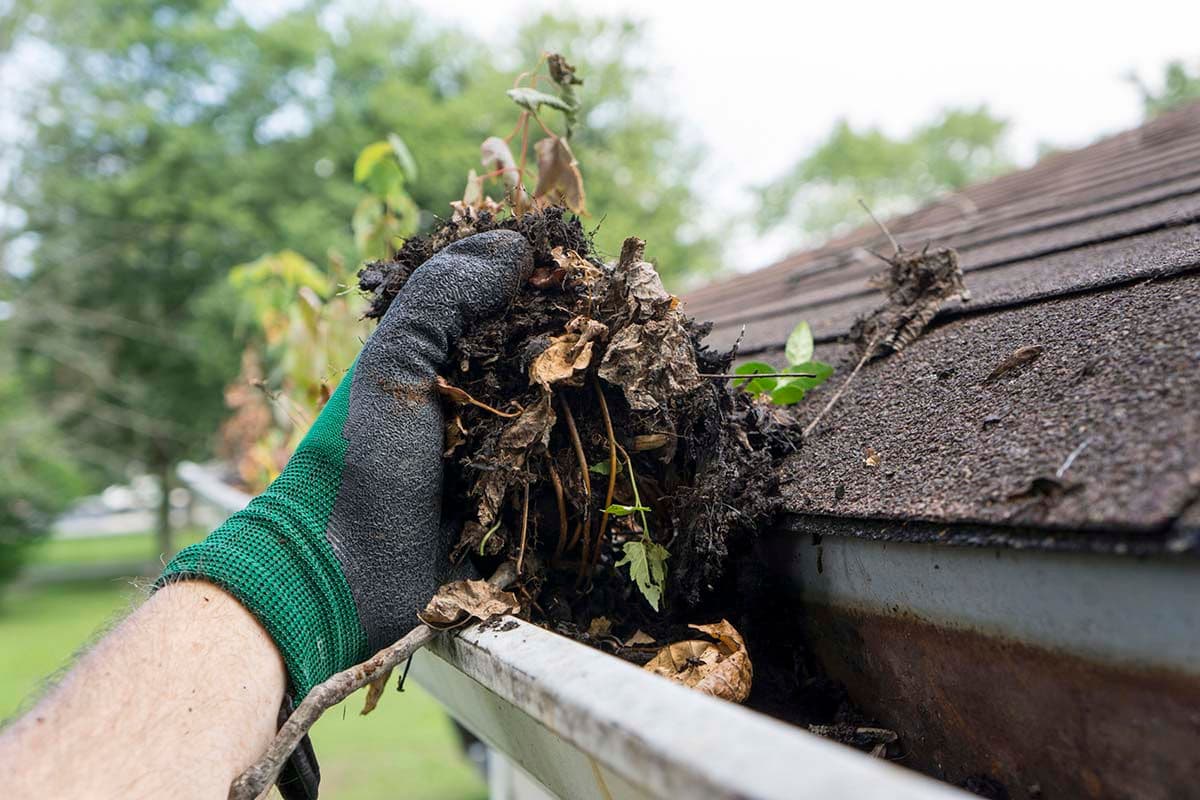
Checking the roofline regularly helps catch problems early. Clearing gutters, checking for cracks or movement, and monitoring ventilation can extend the life of fascias and soffits.
Preventative maintenance is often much cheaper than replacing damaged roofline structures later.
Homeowners across Kent continue to trust Premier Roofing for professional roofing advice and reliable roofline work.
Roofline on a coastal property
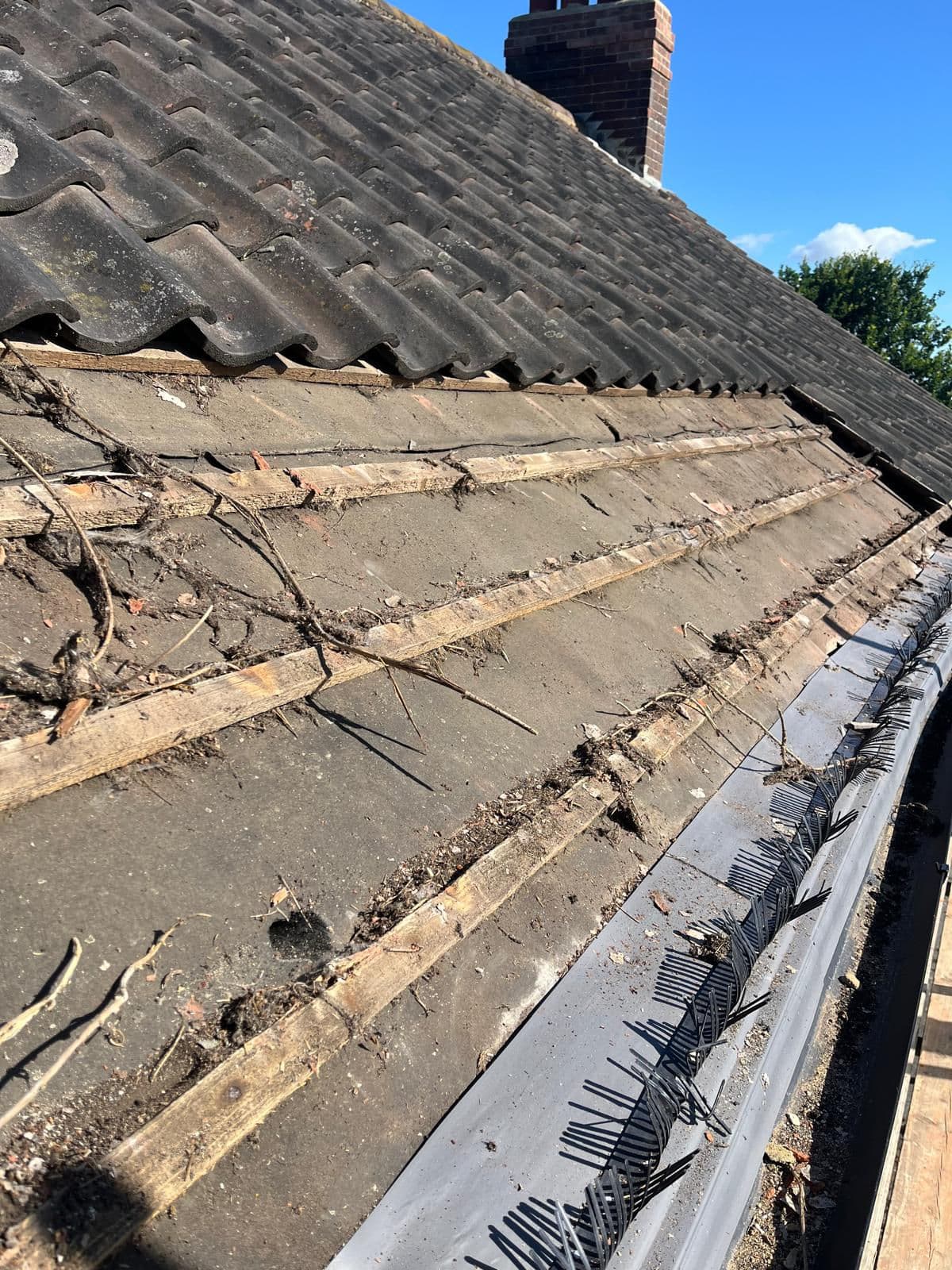
The roofline takes weather before the covering does, and on the older stock around Hythe it is often the first thing to go. A rotten fascia does not stay a fascia problem for long, because it takes the roof edge with it and the gutter it was holding. That is why we replace the roof edge behind the boards as part of fascia and soffit work rather than covering it over.
Conclusion
Understanding fascias and soffits helps homeowners appreciate the important role these roofline components play. They support the guttering system, protect the roof structure, and help maintain ventilation inside the property. If you would like your roofline inspected or need advice about repairs or replacement, simply contact us and we will be happy to help.