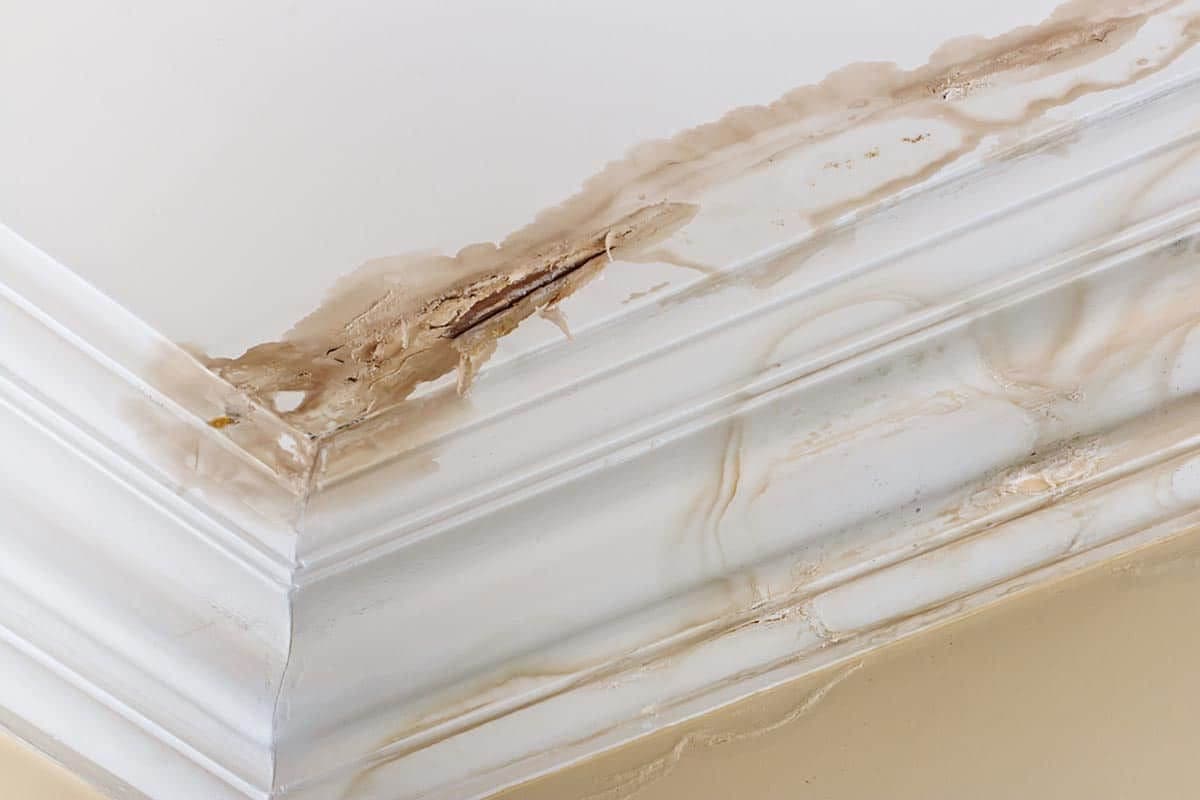
We explain how to spot roof ventilation problems because this is one of the most overlooked causes of roofing issues across Kent. Ventilation is not something you can usually see from the outside, but it plays a major role in how well your roof performs.
In practice, what we see quite often is homeowners focusing on tiles or leaks, while the real issue is trapped moisture inside the roof space. Poor ventilation can quietly cause damage for months or even years before it becomes obvious.
Understanding the warning signs helps you act early and avoid more serious problems.
Why roof ventilation matters
Roof ventilation allows air to circulate through the loft or roof space. This helps control moisture and temperature.
Without proper airflow, warm air from inside the home rises and becomes trapped in the roof space. When this warm air meets colder surfaces, it creates condensation.
Over time, this moisture can damage insulation, timber, and roofing materials.
Common signs of roof ventilation problems
Condensation in the loft
One of the clearest signs of roof ventilation problems is condensation. You may notice water droplets on timbers, felt, or insulation.
This often appears during colder months when warm air inside the home meets a cold roof surface.
Damp insulation
Insulation should remain dry to work effectively. If it becomes damp, it loses its ability to retain heat and may need replacing.
In many Kent homes, we find damp insulation caused by poor ventilation rather than leaks.
Mould or musty smells
A musty smell in the loft or upper rooms can indicate trapped moisture. Mould may also form on timber or insulation if ventilation is poor.
This is not just a roofing issue. It can also affect air quality inside the home.
Excess heat in summer
Ventilation problems are not only a winter issue. In warmer months, poor airflow can cause heat to build up in the roof space.
This can make upper rooms uncomfortable and put extra strain on roofing materials.
How ventilation problems affect your roof
Poor ventilation can lead to long term damage.
Moisture trapped in the roof space can cause timber to rot, weaken structural components, and reduce the lifespan of roofing materials. It can also affect fixings that hold tiles in place.
Over time, this may lead to the need for roof repairs or even full replacement.
What actually tends to happen is homeowners address visible damage without fixing the underlying ventilation issue, which causes the problem to return.
The role of soffits and airflow
Ventilation often relies on airflow entering through the roofline. Properly maintained guttering, fascias, and soffits allow air to circulate into the roof space.
If soffit vents are blocked or missing, airflow is restricted. This is a common issue we find during inspections.
Ensuring these components are clear and functioning properly helps maintain ventilation.
How flashing and roof design can affect ventilation
While ventilation is mainly about airflow, roof design and detailing also play a role.
Poorly installed leadwork and flashing can allow water into the roof space, which adds to moisture problems.
In some cases, what appears to be a ventilation issue is actually a combination of poor airflow and water ingress.
When ventilation problems lead to replacement
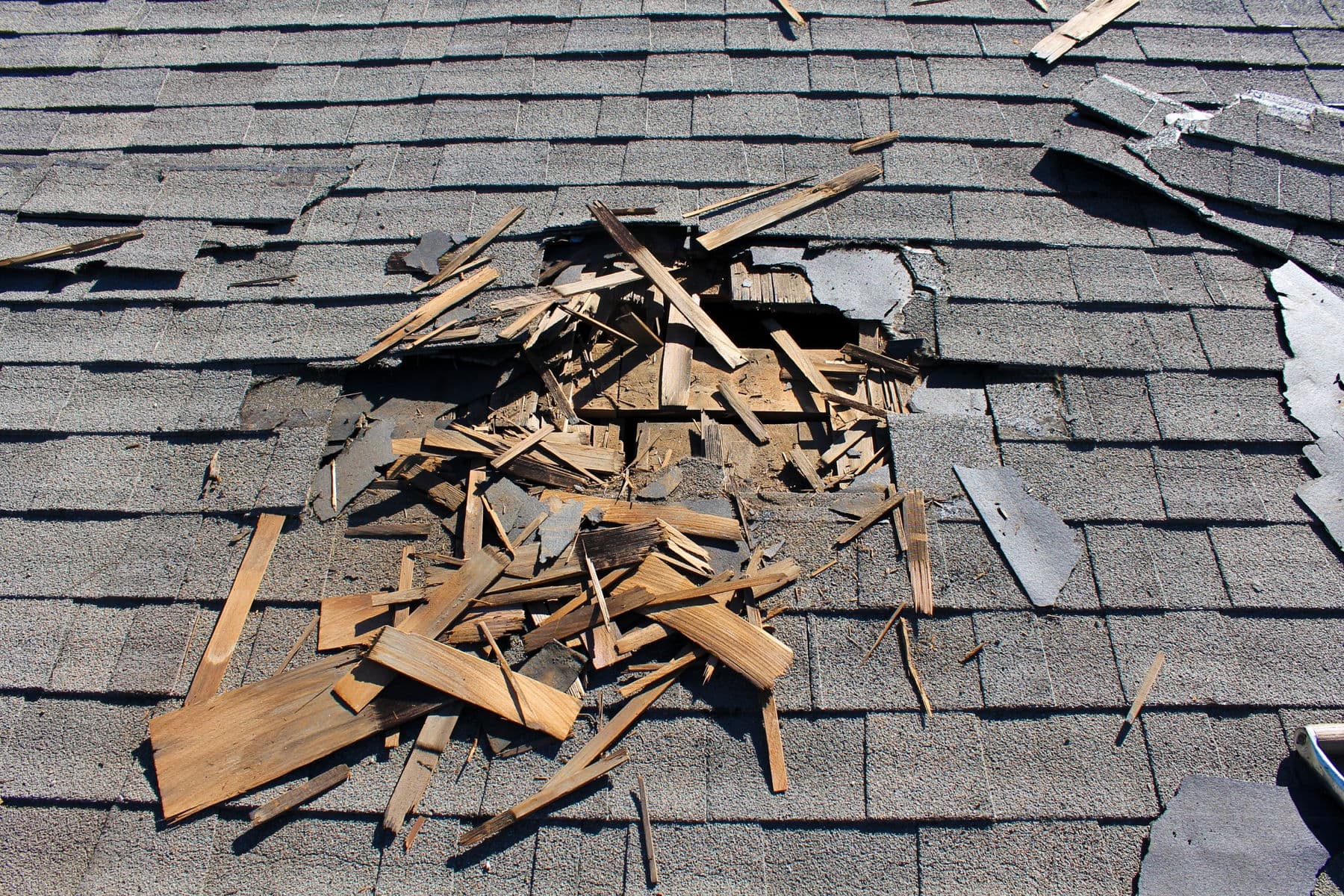
If ventilation issues are left unresolved for too long, they can cause widespread damage to the roof structure.
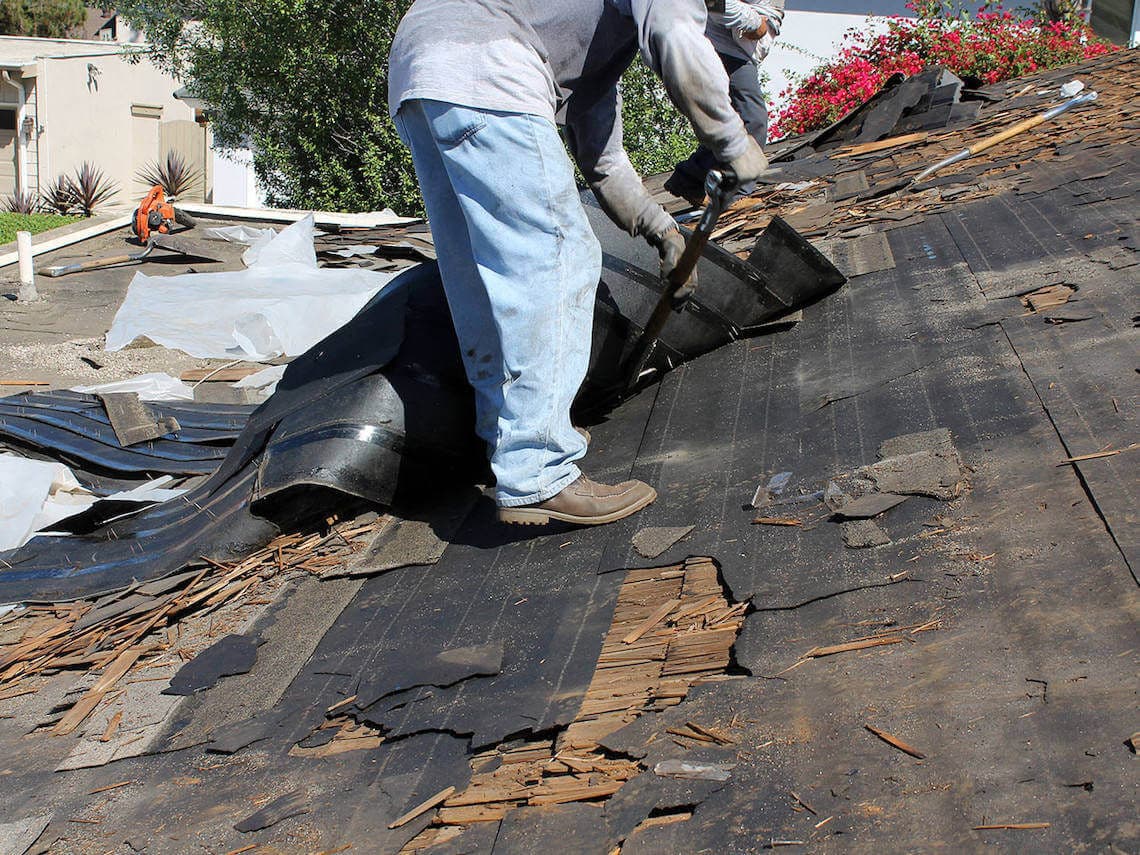
In these situations, repairs alone may not be enough. We sometimes find that insulation, battens, and even parts of the structure need replacing.
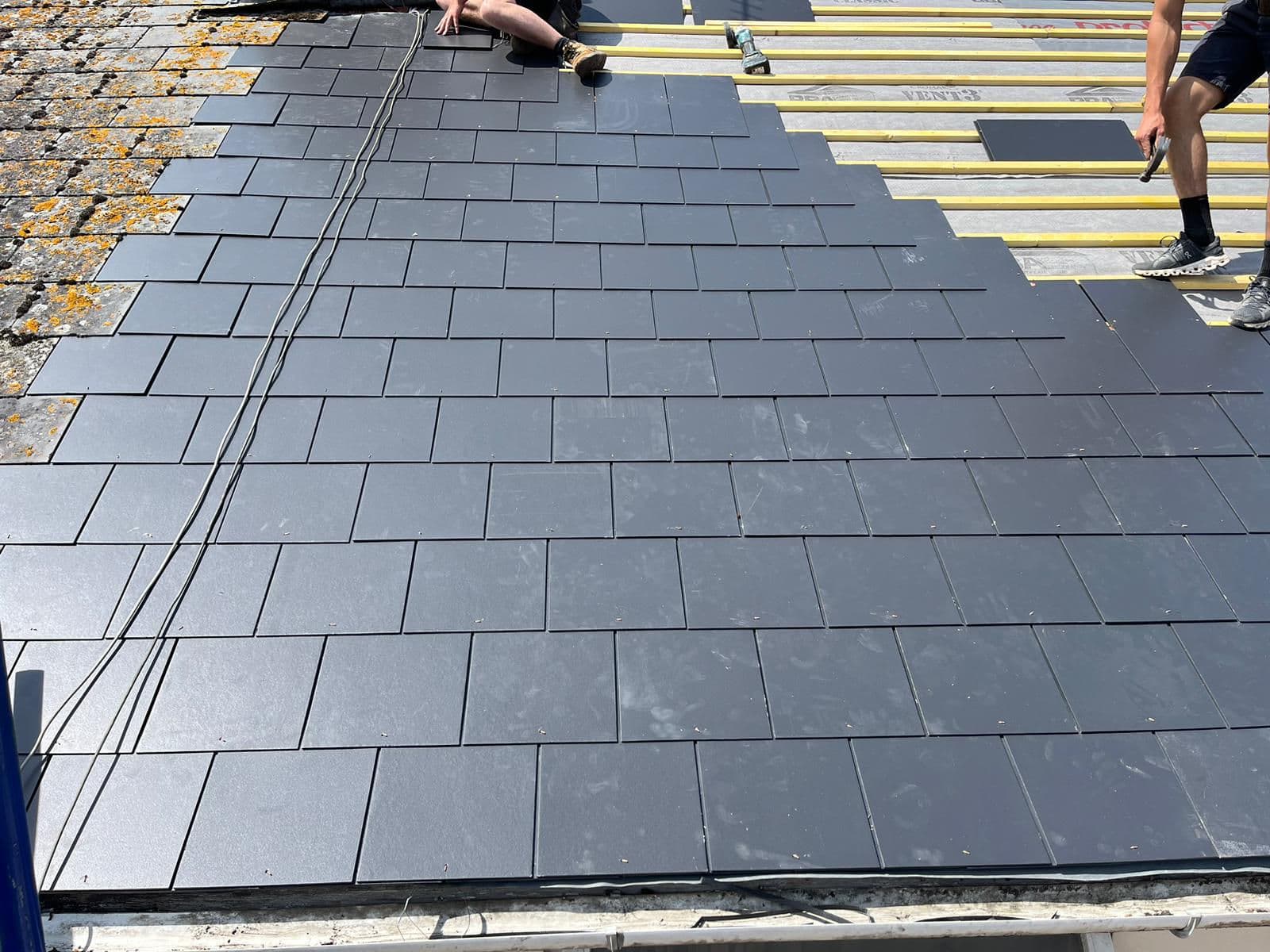
When necessary, we carry out new roof installations with improved ventilation systems to prevent the problem from returning.
Planning permission and ventilation work
Improving roof ventilation usually does not require approval, especially when it is part of maintenance or repair work.
However, structural changes may require checking planning permission rules in England and Wales.
The Planning Portal on roof work provides guidance on permitted development.
Building regulations and ventilation standards
Roof ventilation must comply with GOV.UK building regulations, which set standards for airflow, insulation, and moisture control.
Compliance is overseen by Local Authority Building Control. In Kent, this is managed through Kent County Council.
Ensuring ventilation meets these standards helps protect the roof long term.
Safety when checking ventilation issues
Inspecting a roof space involves working at height and in confined areas. All work should follow HSE working at height guidance.
It is always safer to have a professional carry out a full inspection.
Why local experience matters
Roof ventilation problems vary depending on the type of property and location. In Kent, we often see issues in older homes where ventilation was not designed to modern standards.
Coastal properties may also experience higher moisture levels due to weather conditions.
Understanding these local factors helps identify the real cause of the problem.
Homeowners across the area continue to trust Premier Roofing for accurate assessments and practical solutions.
Ventilation on a coastal roof
Ventilation problems show up faster on the coast, because a roof space that cannot breathe holds damp air against timber that is already dealing with salt. When we strip a roof back at Dymchurch or Lydd for new felt and batten the eaves are usually where the ventilation was lost, either blocked by insulation pushed too far out or never opened up properly in the first place. It is worth checking there before anything else.
Conclusion
Identifying roof ventilation problems early helps prevent condensation, damp, and long term structural damage. Signs such as damp insulation, mould, and excess heat should not be ignored. If you suspect ventilation issues in your roof or would like a professional inspection, simply contact us and we will be happy to help.